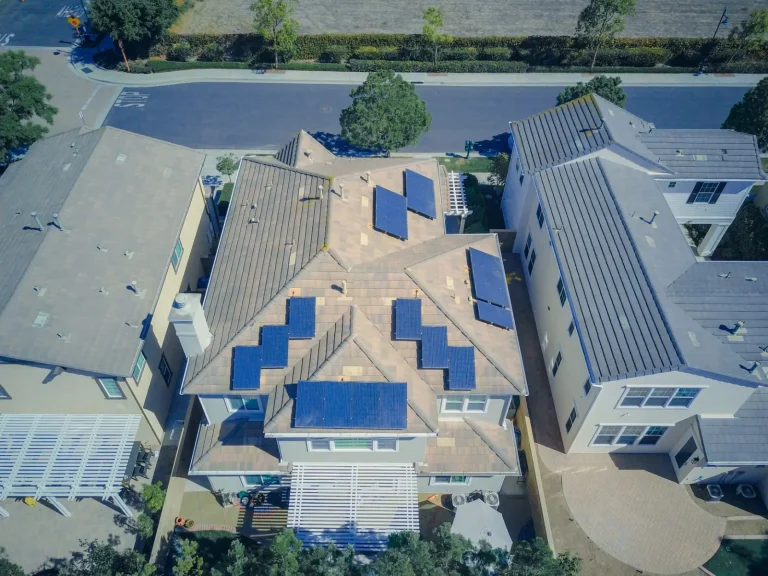

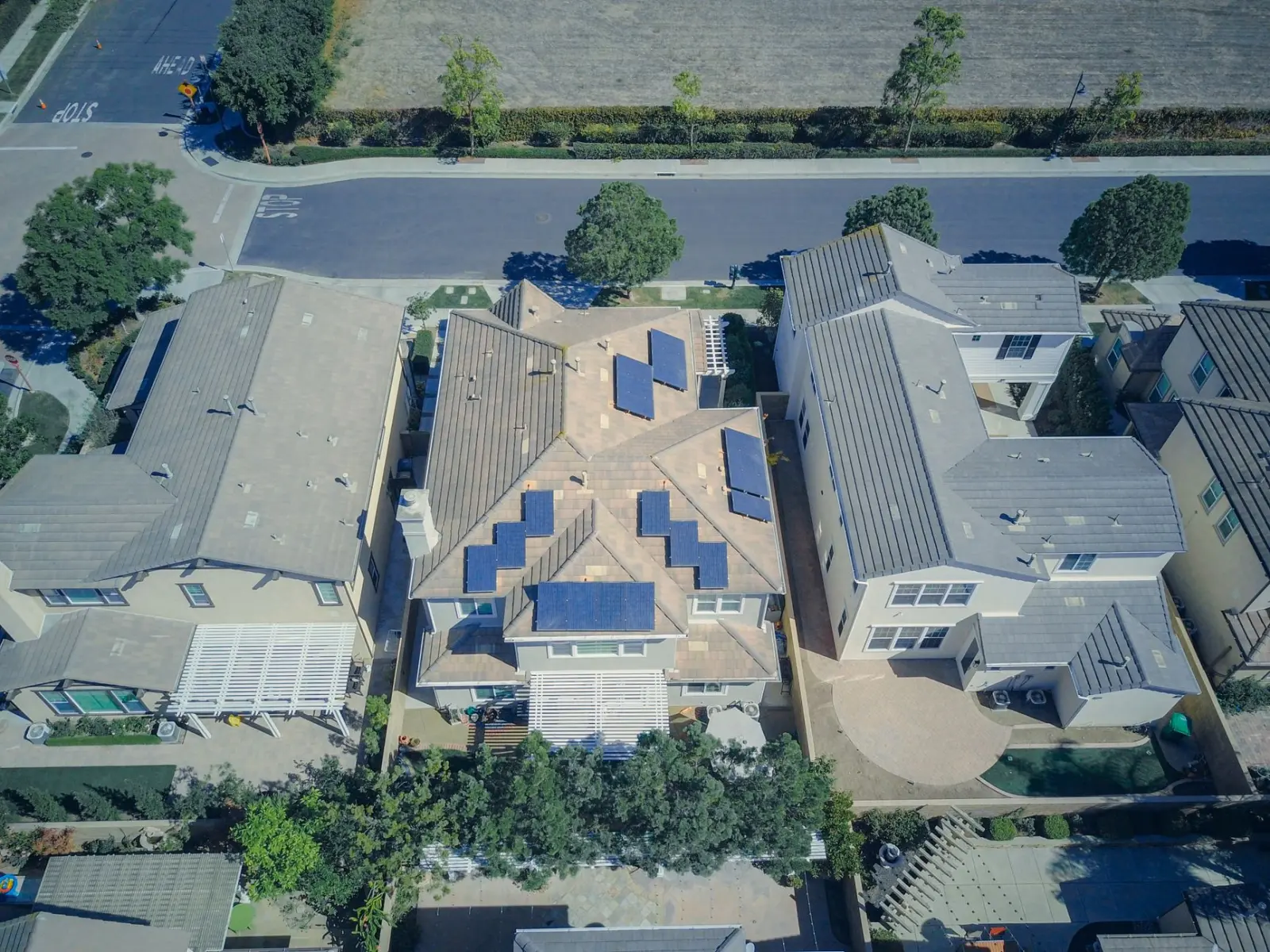
Australia has installed more rooftop solar capacity per capita than anywhere else on earth. Walk through any suburban street and you’ll see it – panels on nearly every second or third roof. This isn’t new information, but what’s shifted in the last few years is the nature of the challenge. We’re no longer in the phase where getting solar installed is the hard part. The hard part now is what comes after, and how the grid, the economics, and the technology itself are all reshaping what solar ownership actually means.
I’ve watched this transition happen gradually across different states. In the early days, the selling point was simple: install panels, watch your bill drop, recover your investment in seven or eight years. That story still holds, but it’s incomplete now. The grid has changed. Battery storage has become genuinely affordable for more households. And the relationship between solar generation, consumption, and the broader electricity network has become far more complex than it was even five years ago.
What we’re seeing now is a market that’s splitting into distinct phases rather than moving as one cohesive wave. Early adopters are now dealing with aging systems – panels that are 10 or 12 years old, inverters that need replacement, and decisions about whether to expand with batteries or simply maintain what they have. Meanwhile, new installations continue at a steady pace, but the buyer profile has shifted. People installing solar today are often doing it with battery storage in mind, or they’re responding to rising electricity prices rather than chasing the generous feed-in tariffs that existed a decade ago.
Grid Stress and the Storage Question
The elephant in the room is grid stability. South Australia and parts of Queensland have hit moments where solar generation on a sunny afternoon actually exceeds total demand. That’s a genuine technical problem, not a theoretical one. When millions of homes are generating power at the same time and feeding it back into the network, the grid operators face a situation they weren’t designed to handle. The response has been gradual but real: some networks have started capping export rates, others are adjusting tariff structures to discourage midday exports, and a few are actively managing when and how much power can flow back.
This is why battery storage has stopped being a luxury add-on and started becoming a practical consideration. A home with panels and a battery can consume its own generation rather than pushing it all back to the grid. From a homeowner’s perspective, this means better economics in some cases – especially as battery costs have fallen. From a grid perspective, it means distributed storage that can help smooth out demand curves. The tension here is that batteries are still expensive enough that they make financial sense only in specific scenarios: high self-consumption households, areas with unfavorable export tariffs, or people who value energy independence.
What I’ve observed is that the battery question often comes down to local conditions. A family that works from home and uses air conditioning during the day might see a genuine return on battery investment. A household where everyone leaves for work and school at 8 a.m. and returns at 6 p.m. is exporting most of their solar generation no matter what, and a battery doesn’t help their economics much. The marketing around batteries tends to gloss over this – the pitch is always “store your solar, use it at night” – but the real payoff depends entirely on your consumption pattern and your local electricity tariffs.
The Installer and Maintenance Reality
From the installation side, the market has matured but also fragmented. There are fewer cowboys now – the industry has consolidated, licensing requirements have tightened, and consumer protection frameworks exist in most states. That’s genuinely positive. But it also means that the easy money is gone. Installers are competing harder, margins are tighter, and the work is more complex. Adding a battery to an existing system isn’t a simple bolt-on; it often requires rewiring, new switchboards, and careful integration with the existing inverter.
I’ve seen plenty of systems that were installed well and are still running perfectly after 10 years. I’ve also seen panels that have degraded faster than expected, inverters that failed outside warranty, and installations that were cut corners from day one. The difference isn’t usually about the brand of the panel or inverter – it’s about the quality of the installation itself. A good installer understands local climate conditions, knows how to orient panels for maximum winter generation (not just summer), and thinks about maintenance access and cable routing. A rushed installation might work fine for the first few years, but it shows its flaws over time.
Maintenance is another area where expectations have shifted. Solar panels don’t need much – they’re remarkably durable. But they do benefit from occasional cleaning in dusty areas, and the inverter does need monitoring. Most modern systems have app-based monitoring that alerts owners to problems, which is genuinely useful. The issue I see most often is that people install solar and then never think about it again until something breaks. That’s usually fine, but it means they miss early warning signs. An inverter that’s running hot, a string of panels that’s underperforming, or a connection that’s starting to corrode – these things are easier to address if you’re paying attention.
Economics in a Changing Tariff Environment
The financial case for solar has become more complicated because electricity pricing itself has become more complicated. The flat tariff model – pay one rate for all your usage – is disappearing. Time-of-use tariffs, demand charges, and seasonal variations are becoming standard, especially as more households get smart meters. This changes the math for solar investment. A system that generates most of its power in summer is worth more in states with high summer demand. A system in a cool climate that generates steadily year-round has different economics than one in a subtropical region with a pronounced summer peak.
Feed-in tariffs have also compressed significantly. Ten years ago, some states were paying 60 cents per kilowatt-hour for solar export. Now it’s typically 10 to 15 cents. This sounds like a collapse, but it actually reflects the market reality: solar is abundant during peak generation hours, so its value to the grid is lower at those times. The implication is that self-consumption has become more valuable than export. A kilowatt-hour you use yourself is worth whatever you would have paid for it from the grid. A kilowatt-hour you export is worth whatever the network pays you. The gap between those two numbers drives the battery question again.
For people considering solar now, the payback period is genuinely longer than it was five or ten years ago. That doesn’t mean it’s not worth doing – electricity prices are still rising, and solar still reduces your exposure to those increases. But it means the decision needs to be based on realistic assumptions about tariffs, consumption patterns, and system longevity rather than on marketing claims about seven-year paybacks.
What Comes Next
The next phase of Australia’s solar story isn’t about rapid growth in installation numbers. Growth will continue, but it’s maturing. What’s actually happening now is a shift toward system optimization, battery integration, and grid management. The regulatory environment is tightening – there’s more scrutiny of installer quality, more focus on grid stability, and more complex rules around how much solar capacity can be connected to individual networks.
For homeowners with existing systems, the question is usually about replacement and upgrade cycles. Inverters typically last 10 to 15 years. Panels last 25 to 30 years, though they gradually lose efficiency. When an inverter fails, the decision point is whether to replace it with the same technology or upgrade to a hybrid inverter that can work with battery storage. This is where the market is actually moving – not everyone adds batteries, but more people are keeping the option open by installing compatible equipment.
The broader infrastructure challenge is real but solvable. Australia has the technical expertise and the financial resources to manage a grid with high solar penetration. Other countries have done it. The work involves grid upgrades, smarter distribution networks, and probably more demand-side management – encouraging people to shift consumption to high-generation hours. This will happen, but it’ll happen gradually and unevenly across different regions.
What’s often overlooked is that solar adoption has already changed the electricity market fundamentally. The days of utilities simply selling more power to growing demand are over. The business model is shifting, and that’s creating friction. But it’s also creating opportunity for people who understand the new environment. Homeowners who think carefully about their consumption patterns, who invest in monitoring and maintenance, and who make informed decisions about batteries and system upgrades will do well. Those who treat solar as a set-and-forget investment may find their returns disappointing as the market matures.