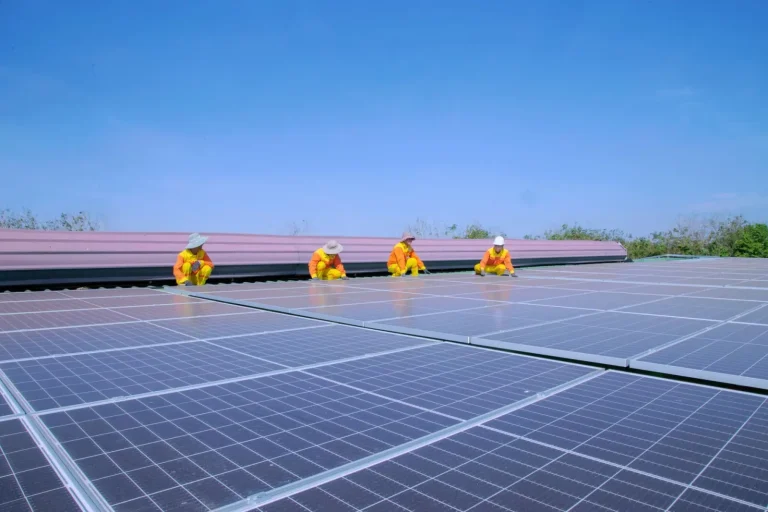

Over the past decade, I’ve watched renewable energy investment move from fringe discussion to a genuine reshaping force across regional Australia. It’s not abstract anymore. You see solar farms and wind installations taking up land that was previously marginal grazing or cleared scrub. You see new transmission lines being planned, new substations built, and crews moving into towns that had been quietly declining. The change is tangible, and it’s moving faster than many people expected.
What strikes me most is how unevenly this is happening. Some regions are seeing real economic activity and infrastructure development. Others are positioned to see benefits but haven’t yet. And some are caught in the middle – aware that change is coming but uncertain about whether it will actually reach them. The renewable energy transition isn’t a single story across regional Australia. It’s multiple stories, often running in parallel, sometimes contradicting each other.
Where Investment Is Actually Concentrating
The money isn’t spreading evenly. Certain regions have become obvious targets for renewable development, and once that happens, it tends to accelerate. South Australia’s renewable sector has been moving for years now. Parts of Victoria and New South Wales are seeing substantial investment. Western Australia has pockets of significant activity. But vast stretches of regional Australia remain largely untouched by this wave, despite having reasonable solar or wind resources.
The reasons are practical. Grid connection matters enormously. If you’re far from existing transmission infrastructure, the cost of connecting a new facility becomes prohibitive. Land availability is another factor – you need large, relatively flat or consistently windy areas that aren’t already committed to other uses. And local regulatory environment plays a real role. Some councils have embraced renewable projects early; others have been slower to establish clear approval pathways.
I’ve seen towns where a single large solar or wind project arrived and genuinely changed the local economy. Construction brought workers, spending, and temporary activity. Once operational, the facility generates ongoing employment – not massive numbers, but consistent roles in maintenance, monitoring, and administration. Property tax revenue increased. Local supply chains developed around the facility. But I’ve also seen towns nearby with similar resources that missed out on these projects, and the difference in trajectory is noticeable.
Employment and Skills Gaps
The employment story is more complex than simple job creation. Yes, renewable projects bring work – construction phases can employ hundreds of people for months. But those jobs are temporary and often filled by specialist contractors who move between projects. The permanent operational jobs are fewer and require specific technical skills.
What I’ve observed is that regions without existing technical or manufacturing capacity struggle to capture the supply-chain benefits. A wind farm needs specialized parts, maintenance expertise, and engineering support. If those skills and services don’t exist locally, they’re imported. The money flows out. But in regions where there’s already some industrial base or technical workforce, renewable projects can anchor new businesses. Manufacturers set up. Service providers establish themselves. The multiplier effect actually works.
Training programs have started appearing, but they’re patchy. Some regions have vocational colleges adapting their programs to teach renewable energy installation and maintenance. Others don’t. This creates a skills bottleneck that actually limits how fast the sector can expand in some areas. You have projects that want to proceed but can’t find enough trained workers locally.
Land Use and Agricultural Tensions
One of the most visible changes is how land is being used. Large-scale solar installations and wind farms occupy significant areas. In some cases, this land was already marginal – poor grazing country, cleared scrub, degraded pasture. In other cases, it’s productive agricultural land. This creates tension.
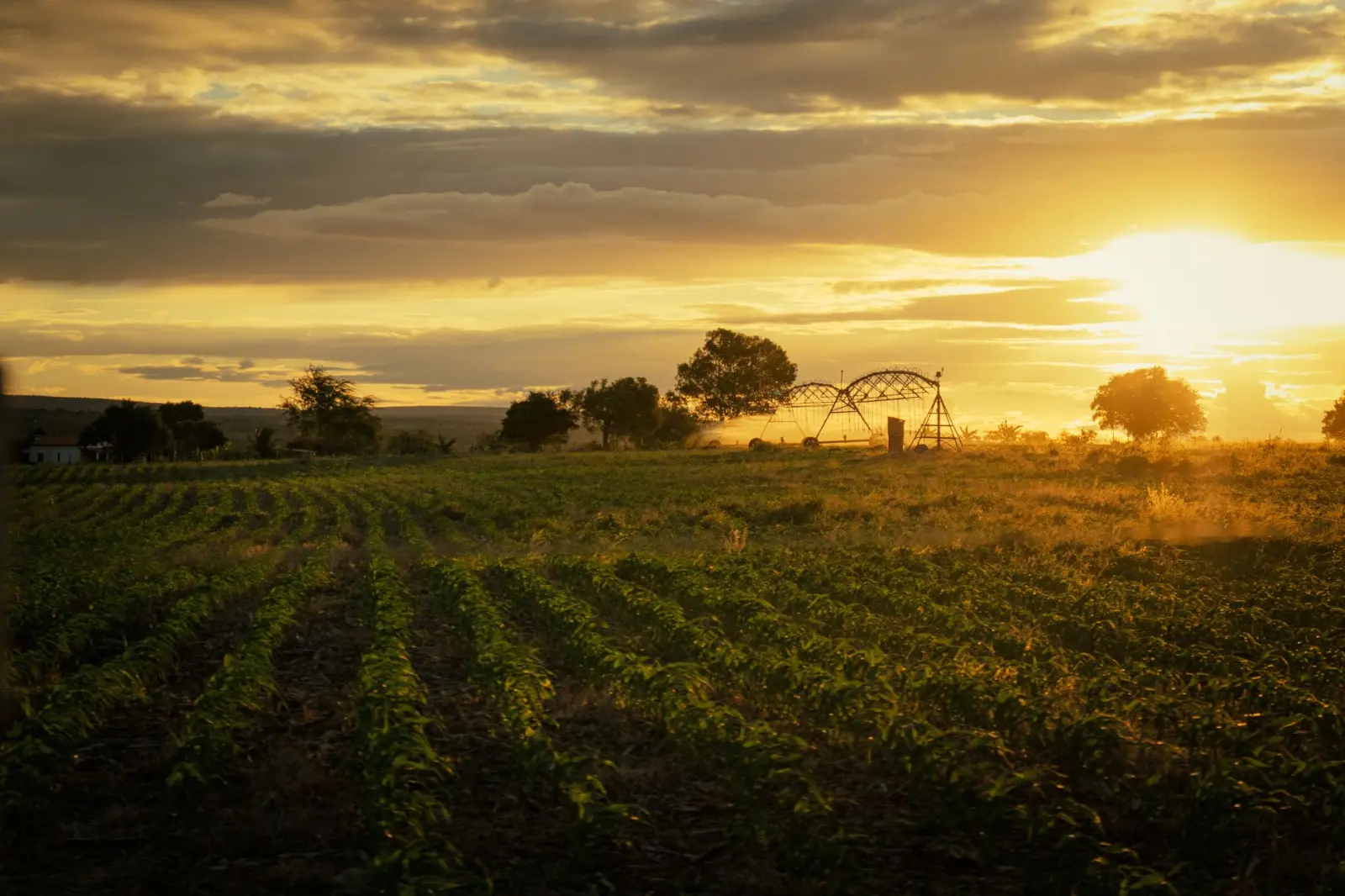
I’ve seen farmers who’ve welcomed renewable projects on their property. The lease payments provide income, and the land can sometimes continue to be used for grazing beneath solar panels or around wind turbines. But I’ve also seen strong resistance, particularly where prime agricultural land is being converted. There’s a genuine concern about losing productive capacity and the long-term implications of having large industrial installations on rural land.
What’s less discussed is the cumulative effect. One solar farm or wind installation in a region might be manageable and even beneficial. But as multiple projects stack up, the total land footprint becomes significant. In some areas, you’re seeing 5, 10, or more major renewable installations either operational or in planning. The landscape is genuinely changing, and not everyone sees that as positive.
Grid Infrastructure and Investment Patterns
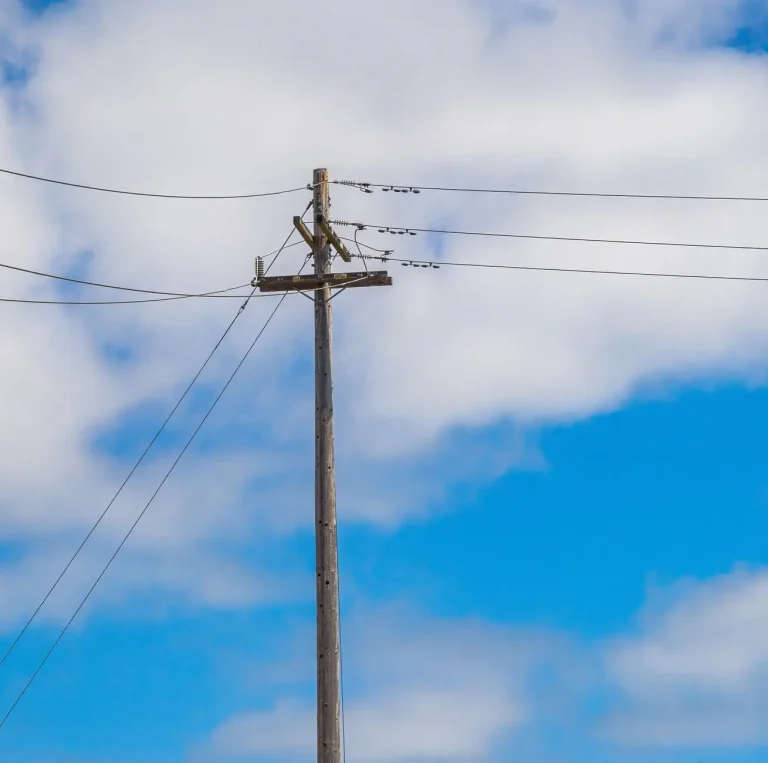
Behind the visible projects is an invisible but critical infrastructure story. The electricity grid in regional Australia was designed decades ago to move power from central generators to distributed consumers. Renewable energy reverses that flow. Power is generated at multiple points across the landscape and needs to be moved to where it’s used or stored.
This requires substantial grid upgrades. New transmission lines, upgraded substations, and better control systems. These upgrades are expensive and take years to plan and build. I’ve watched regions where renewable projects are ready to proceed but can’t connect to the grid because transmission capacity doesn’t exist yet. Conversely, I’ve seen grid upgrades being built in anticipation of renewable development that hasn’t yet been approved. The sequencing is awkward, and it creates delays.
The investment in grid infrastructure is reshaping which regions can actually develop renewables. Areas with existing transmission capacity or where upgrades are planned become more attractive. This concentrates development further, reinforcing the uneven pattern I mentioned earlier.
Mining and Industrial Displacement
Renewable energy is also changing the economics of other regional industries. Mining regions are particularly affected. As renewable energy becomes cheaper, some mining operations become less viable. Coal mining in particular is under pressure. I’ve been in towns where coal mining was the dominant employer, and the transition away from that industry is happening whether or not renewable energy investment arrives.
Some regions are managing this transition well. Where renewable projects are arriving in areas with declining mining, there’s a genuine opportunity to redirect economic activity. But it requires intentional planning. The skills don’t automatically transfer. The supply chains are different. The workforce needs support to transition. Some regions are doing this work. Others are hoping it will happen without deliberate effort, which rarely works.
There’s also a genuine concern about stranded assets. Mining infrastructure, power stations, and associated facilities become economically redundant. The question of who bears the cost of managing that transition – decommissioning, site remediation, worker support – remains contested.
What I’ve observed across regional Australia is that renewable energy investment is a real force reshaping economy and infrastructure, but it’s not a universal solution and it’s not arriving evenly. Some regions are positioned well to benefit and are already seeing genuine change. Others have the resources but lack the infrastructure or regulatory clarity to move forward. And some are being left behind. The transition is happening, but the outcomes are deeply uneven, and that unevenness is creating winners and losers within regional Australia in ways that aren’t always obvious from a distance.