
Over the past five years, I’ve watched Australia’s clean energy sector grow faster than its ability to train and retain the people needed to build it. The renewable energy boom is real – solar farms, wind installations, battery storage facilities, and grid modernization projects are moving forward at pace. But the workforce isn’t keeping up. It’s not a simple shortage of bodies; it’s a complex mismatch between the skills available and the skills required, layered with retention problems that few people talk about openly.
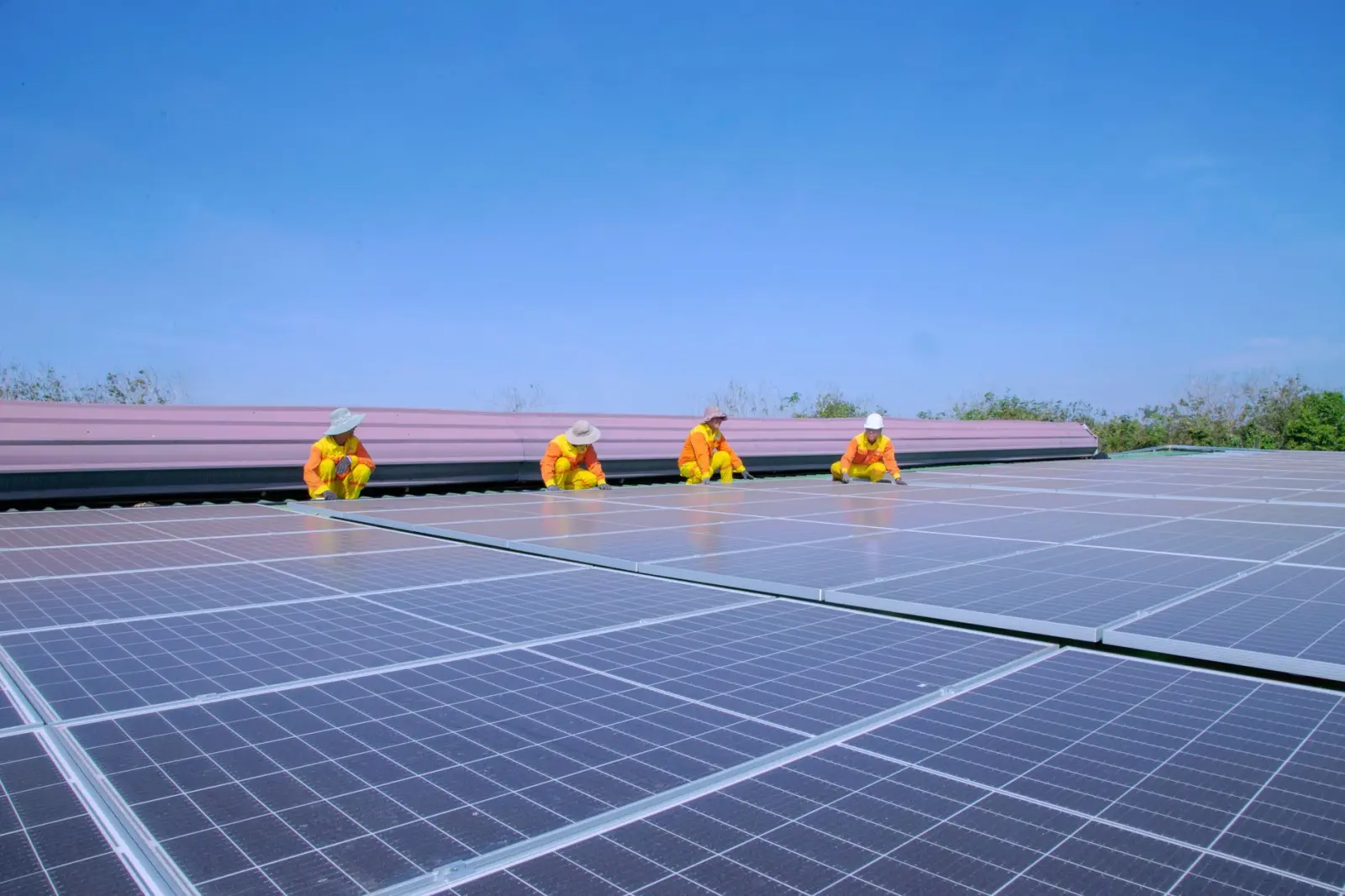
The most immediate pressure sits with the traditional trades. Electricians, plumbers, and general construction workers are needed across all renewable projects, but many of these workers learned their craft in a different era. A solar installation today isn’t the same as wiring a house in 2010. The systems are more complex, the safety protocols tighter, and the technical knowledge required extends into areas that weren’t part of standard apprenticeships a decade ago. I’ve seen experienced electricians struggle with battery management systems and grid integration concepts that younger workers sometimes grasp more quickly – but younger workers are harder to find because the apprenticeship pipeline has been weak for years.
The Apprenticeship Pipeline Problem
Australia’s vocational training system has been undervalued for so long that it’s now a structural constraint on the clean energy transition. Young people are steered toward university degrees, and the perception that trades are a fallback option rather than a genuine career path persists. This has real consequences. When a major solar or wind project needs 200 skilled workers, and the local labor market can only supply 80, projects slow down or costs rise. I’ve seen both happen repeatedly.
The apprenticeship system itself has changed, but not always in ways that serve the clean energy sector well. Apprentices need practical, on-site experience, but many employers are reluctant to take them on because the training burden falls heavily on the company. In a tight labor market, it’s easier to hire someone already qualified than invest in developing a junior worker. This creates a vicious cycle: fewer apprenticeships mean fewer qualified workers in five years, which makes the shortage worse, which makes companies even less willing to train.
Engineering and Technical Expertise
Beyond the trades, there’s a serious gap in engineering talent. Civil engineers, electrical engineers, and increasingly, software engineers are needed to design and manage renewable energy systems. Australia has good engineering schools, but many graduates leave the country for higher salaries elsewhere, or move into sectors that seem more stable than energy. The clean energy sector is growing, but it’s still perceived as newer and riskier than traditional infrastructure or mining engineering.
What’s less obvious is the need for specialized technical knowledge that doesn’t fit neatly into traditional engineering disciplines. Battery storage systems require expertise in chemistry, electrical systems, and software control. Grid integration demands knowledge of power systems, data management, and cybersecurity. Wind turbine maintenance needs a blend of mechanical engineering, electrical systems, and sometimes aerospace-adjacent knowledge. These hybrid skill sets are rare because they don’t emerge from standard degree programs.
The Emerging Specializations
The clean energy transition is creating entirely new job categories that didn’t exist ten years ago. Battery technicians, renewable energy compliance officers, grid data analysts, and microgrid designers are now in demand, but there’s almost no formal training pathway for most of these roles. Companies are training people on the job, which works in the short term but doesn’t scale. If you’re trying to fill 500 positions across Australia and each company is training its own specialists, you’re wasting effort and creating inconsistency.
I’ve noticed that the most successful companies in this space are building their own training programs rather than waiting for the education system to catch up. They’re partnering with TAFE and private training providers, but they’re also creating apprenticeships tailored to their specific needs. This works, but it’s expensive and it’s not a sustainable solution for the whole sector. Eventually, the formal training system needs to evolve to produce these skills at scale.
Retention and Burnout
There’s another problem that doesn’t get enough attention: people are leaving the sector faster than they’re entering it. Clean energy work can be physically demanding, sometimes dangerous, and the project-based nature means job security isn’t always clear. A worker might finish a major solar farm installation and face months of uncertainty before the next project. This uncertainty drives people away, especially experienced workers who have families and mortgages.
I’ve also seen burnout in technical and management roles. The pace of change in renewable energy is relentless. New technologies emerge constantly, regulations shift, and the pressure to meet climate targets means projects are often rushed. People working in these roles often feel they need to stay on top of everything, and that’s exhausting. Some of the best engineers and project managers I know have left the sector because they couldn’t sustain the pace.
Wages have improved in the past few years, which helps with recruitment, but they’re still not competitive with some other sectors, particularly for highly skilled professionals. A software engineer working on grid management systems might earn significantly less than one working in fintech or tech startups. This creates a constant drain of talent to other industries.
What the Next Decade Requires
The skills needed over the next ten years are going to be different from what’s needed today. More automation means fewer routine installation jobs but more jobs in system design, monitoring, and maintenance. More distributed energy resources – rooftop solar, home batteries, electric vehicle charging – means more demand for electricians and technicians who can work with small-scale systems. Grid modernization requires data scientists and software engineers in numbers we haven’t trained yet.
There’s also a geographic dimension to this. Clean energy projects are happening everywhere in Australia, but skilled workers tend to concentrate in major cities. Regional areas struggle to attract and retain talent, which slows down projects and drives up costs. Some companies are experimenting with fly-in, fly-out arrangements, but that’s not sustainable for a permanent workforce.
The reality is that Australia’s clean energy transition will happen, but it will be constrained by workforce availability for at least the next five to ten years. Projects will take longer than planned, costs will be higher than they should be, and some opportunities will be missed. The education system is starting to respond – there’s more funding for renewable energy training, more courses being developed, and more awareness of the skills gap. But these changes take time to flow through the system. It takes three to four years to train an apprentice, and several years more to develop someone into a specialist. We’re already behind where we need to be, and the gap will probably get worse before it gets better.