
Australia has spent the better part of a decade being told it’s the world’s natural home for green hydrogen. The narrative is compelling: abundant renewable energy, existing industrial export infrastructure, and geographic proximity to Asian markets hungry for clean fuel. I’ve watched this story evolve from genuine technical possibility to something that now carries the weight of political aspiration and venture capital enthusiasm. The reality on the ground is messier than the headlines suggest.
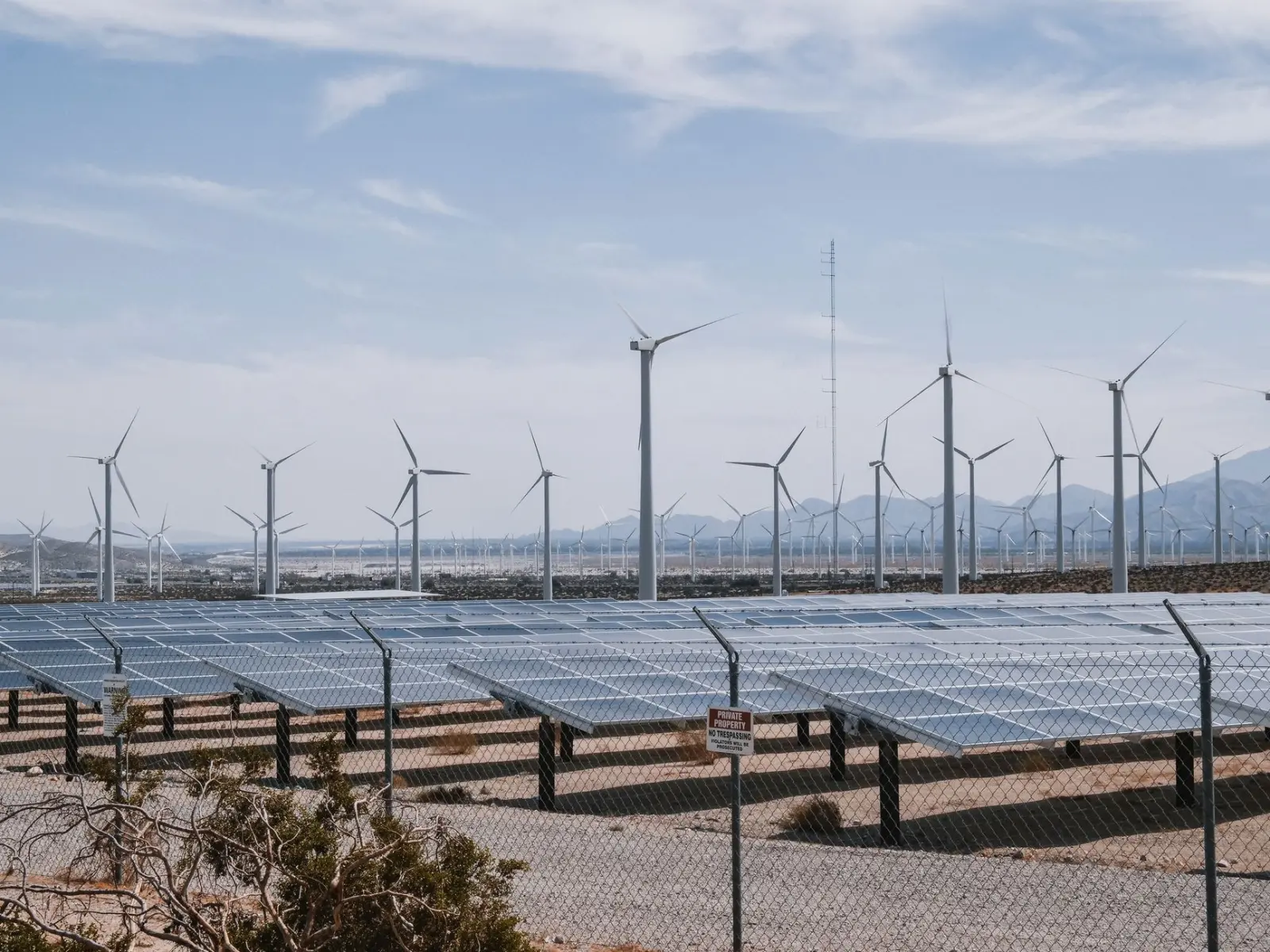
The core claim isn’t wrong. Australia does have excellent wind and solar resources, particularly in South Australia, Western Australia, and parts of Queensland. The electrolyzer technology itself works – I’ve seen pilot installations operate reliably. But there’s a significant gap between having the raw ingredients and building a functioning export industry. That gap is where most of the hype lives.
What I’ve observed consistently is that green hydrogen projects tend to stall at the same points. The first obstacle is capital cost. Building a hydrogen production facility with sufficient capacity to justify export infrastructure requires billions in upfront investment. The electrolyzer units themselves have come down in price, but the complete system – water treatment, compression, storage, transport, and port facilities – remains extraordinarily expensive. A single export-scale facility can easily exceed $5 billion. That’s not a barrier that disappears with time; it’s a permanent feature of the economics.
The Infrastructure Problem Nobody Talks About Enough
Australia has world-class export ports and experience moving bulk commodities. But hydrogen is different. It’s either compressed gas, liquefied gas, or bound into ammonia or methanol. Each pathway has its own infrastructure requirements, and none of them leverage Australia’s existing coal and LNG export systems in any meaningful way. You can’t use a coal terminal for hydrogen. You need entirely new facilities.
The liquefaction pathway is particularly capital-intensive. Liquefying hydrogen requires cooling to minus 253 degrees Celsius. The equipment is specialized, the operating margins are tight, and the energy penalty is substantial. You lose roughly 10 to 15 percent of the hydrogen’s energy content just getting it cold enough to ship. That’s not trivial when you’re trying to compete on delivered cost.
Ammonia synthesis – converting hydrogen and nitrogen into ammonia for export – is technically simpler and uses proven industrial processes. Australia already has ammonia experience. But ammonia is toxic, requires different handling, and the end-user still needs to convert it back to hydrogen or use it directly. It solves some logistics problems while creating others.
Where the Cost Argument Actually Breaks
The renewable electricity cost in Australia is genuinely competitive. Solar and wind are cheap here. But that’s only one component of total hydrogen cost. When you add electrolyzer capital amortization, water treatment, compression, liquefaction or synthesis, storage, and transport, the delivered cost becomes the real constraint. I’ve seen projects model this out, and the numbers are sobering.
A kilogram of hydrogen produced in Australia might cost $3 to $4 at the plant gate under optimistic assumptions. By the time it’s liquefied, shipped, and delivered to an Asian customer, you’re looking at $8 to $12 per kilogram or more, depending on distance and scale. That’s not competitive with gray hydrogen (hydrogen from natural gas) at current prices, and it’s not obviously cheaper than other decarbonization pathways for most industrial applications.
The economics only work if you’re serving a customer with a genuine carbon constraint – either regulatory or voluntary. Japan and South Korea have made commitments to hydrogen, but their actual demand is still small and often subsidized. Europe is building its own green hydrogen capacity. The market isn’t as open as the promotional materials suggest.
What’s Actually Happening on the Ground
Several pilot and demonstration projects are underway. Some are genuinely useful for learning. Others are largely funded by government grants and exist more for political optics than commercial viability. The distinction matters because it tells you something about the real trajectory of the industry.
The projects that have attracted serious private capital are typically those with a specific offtake agreement already in place – a customer committed to buying hydrogen at a known price. Without that, the investment case is speculative. I’ve seen projects announced with great fanfare that quietly fade when the funding round doesn’t materialize or the customer commitment doesn’t materialize.
There are some genuine exceptions. Ammonia production for fertilizer export, where Australia already has industrial presence, makes more sense than pure hydrogen export. Hydrogen for local industrial use – refining, chemicals, steelmaking – has clearer economics because you avoid transport costs. But that’s not the story being promoted. The story is always about export, about Australia becoming the world’s hydrogen superpower.
The Timing Question
One thing I notice in these discussions is vagueness about when any of this becomes commercial. The typical framing is that green hydrogen is “10 years away” – a timeline that’s been consistent for about a decade now. That’s not accidental. It’s far enough in the future to avoid accountability, close enough to seem plausible.
The reality is that green hydrogen will eventually be part of the energy mix, probably in specific applications where the economics align. But “eventually” and “within the next 5 to 10 years at scale” are very different propositions. The technology works. The infrastructure doesn’t exist. Building it requires sustained capital investment, stable policy, and confirmed customer demand. Those three things haven’t aligned yet.
What I’ve learned from watching industrial energy projects is that transitions happen slower than the optimistic timeline suggests, but they do happen. The question for Australia isn’t whether green hydrogen will ever be relevant – it will be. The question is whether Australia will capture significant value from it, or whether other countries with lower capital costs, different geography, or stronger customer relationships will build the industry first. That’s a much harder problem than simply having good renewable resources.