
After years of installing and troubleshooting smart home systems in actual homes, I’ve learned that the gap between marketing promise and daily reality is substantial. Most people who add smart technology to their homes aren’t trying to impress anyone. They’re looking for genuine relief from repetitive tasks or better control over spaces that are difficult to manage manually. The systems that deliver on that promise tend to share a few characteristics: they solve a specific problem, they fail gracefully, and they don’t require constant tinkering to maintain basic function.
The most reliable gains I’ve seen come from automating things that happen frequently and predictably. Lighting is the clearest example. A motion-sensor light in a hallway or bathroom eliminates the small friction of finding a switch in the dark, and it works the same way every time. There’s no learning curve, no app to open, no connectivity dependency. The light turns on when you move, turns off when you leave. That simplicity is what makes it stick around in a home for years without becoming an annoyance.
Thermostat control follows a similar pattern, though with more nuance. A smart thermostat can learn your schedule and adjust temperature automatically, which sounds appealing until you realize that most homes have people coming and going at different times. What actually works is the ability to adjust temperature from your phone when you’re away longer than expected, or to lower it before you leave for work. The learning features are often secondary to that basic remote control capability. I’ve seen plenty of households disable the automation entirely and just use the thermostat as a more convenient way to set temperature manually.
Where Complexity Becomes the Problem
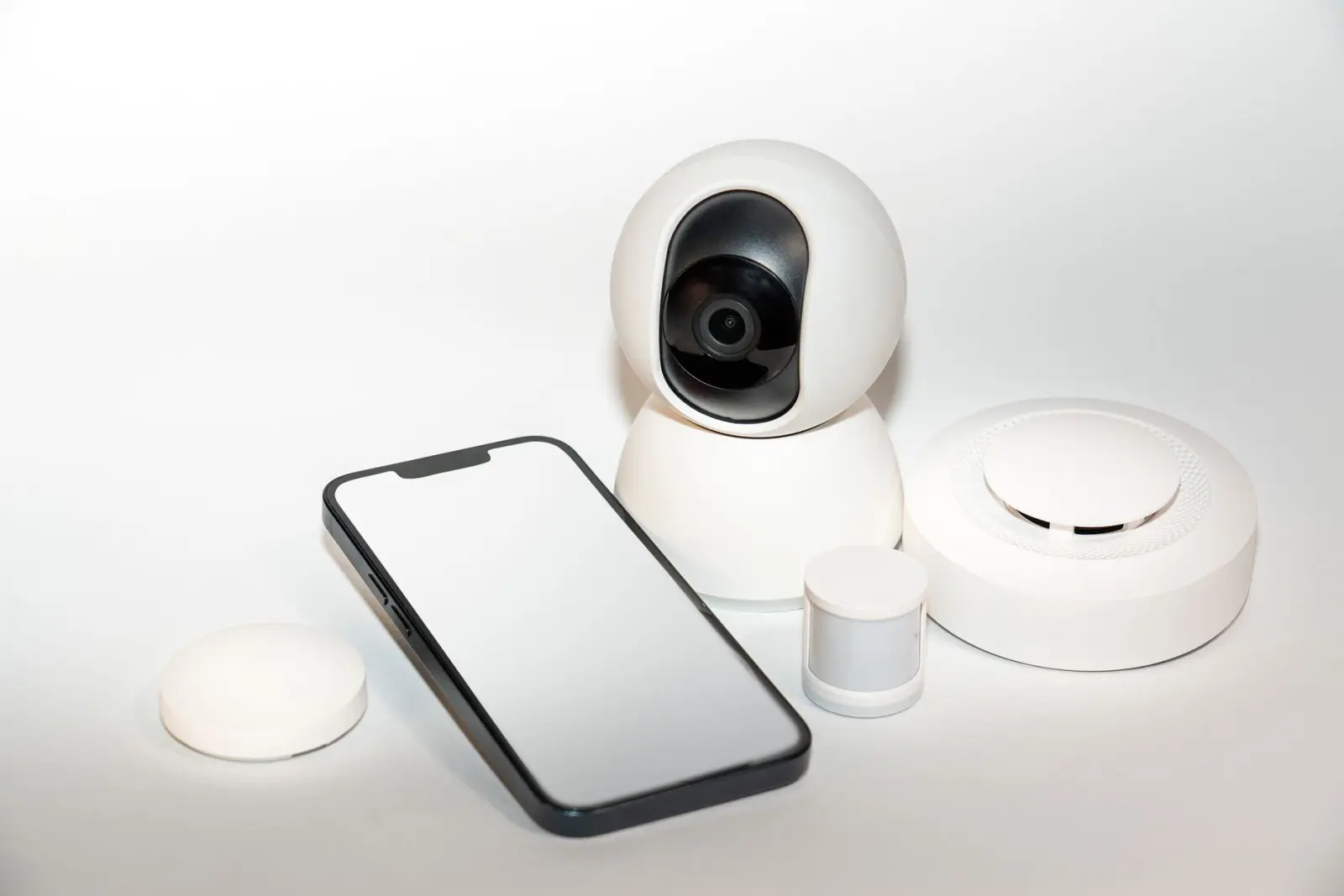
The systems that create more work than they solve tend to involve multiple devices that need to communicate with each other. A door lock, a camera, and a light that all need to coordinate their actions sound efficient on paper. In practice, each device has its own app, its own connectivity requirements, and its own failure modes. When one device loses connection to your home network, the whole sequence breaks down. I’ve walked into homes where someone installed a smart lock expecting convenience but ended up frustrated because the lock occasionally won’t respond to the app, or the battery dies without warning, or the WiFi drops right when they need it most.
Security cameras present a particular challenge. The appeal is obvious: see what’s happening at your front door or in your garage without being home. But the reality involves storage decisions, bandwidth usage, subscription costs, and privacy considerations that most people haven’t fully thought through. A camera that records to the cloud costs money every month. A camera that records locally requires a server or storage device in your home that needs power and maintenance. Wireless cameras need batteries that die at inconvenient times. I’ve installed plenty of systems where the homeowner was happy for six months, then let the subscription lapse or stopped checking the footage because it became another thing to manage.
The Value of Constraint and Simplicity
What I notice in homes where smart technology actually improves daily life is a kind of restraint. People add one or two systems that solve specific problems, then stop. They don’t try to automate everything. A smart plug that turns off a coffee maker or a space heater if you forget to turn it off manually is genuinely useful. A system that tries to automate your entire home based on your location, your schedule, and your preferences tends to become a source of frustration because it’s too complex to troubleshoot when something goes wrong.
Voice control has become more practical over the years, but it works best for simple, single-action commands. Turning on a light or playing music through a speaker is convenient. Creating elaborate routines that trigger multiple devices in sequence often fails in subtle ways. The light turns on but the door lock doesn’t respond, or the sequence happens but in the wrong order. These failures are hard to diagnose without technical knowledge, and they erode trust in the system.
I’ve also noticed that the best smart home installations are the ones where the technology stays in the background. You don’t think about it. The light comes on when you walk into the room. The door lock opens when you approach with your phone. The thermostat maintains a comfortable temperature without you having to adjust it. These systems work because they’re designed to handle the most common scenario well, and they fail in ways that don’t strand you. A smart light that won’t turn on still has a manual switch. A smart lock that loses power still has a physical key.
Practical Durability and Maintenance Reality
One thing that rarely gets discussed is how these systems age. A smart bulb that works perfectly for two years might become unreliable as it gets older. A WiFi hub that was fine for three devices becomes unstable when you add a fourth. Batteries in wireless devices die unpredictably. Software updates can break compatibility between devices that previously worked together. These aren’t failures in the traditional sense, but they’re the reality of living with smart home technology over time.
The homes where smart technology remains useful are the ones where people maintain realistic expectations about reliability and are willing to troubleshoot basic connectivity issues. If you need everything to work perfectly every time with no exceptions, smart home technology will frustrate you. If you can tolerate occasional glitches and you’re willing to restart a device or check your WiFi connection when something stops responding, you’ll probably find genuine value in at least some smart home systems.
The practical takeaway from years of working with these systems is that they’re most useful when they’re solving a specific, recurring problem and when they’re designed with simplicity as the primary goal. A smart light that turns on automatically when you enter a dark room is genuinely useful. A complex automation sequence that requires three different apps and four different devices to work together is probably going to become more trouble than it’s worth. The technology that lasts in homes is the technology that people barely think about because it just works.