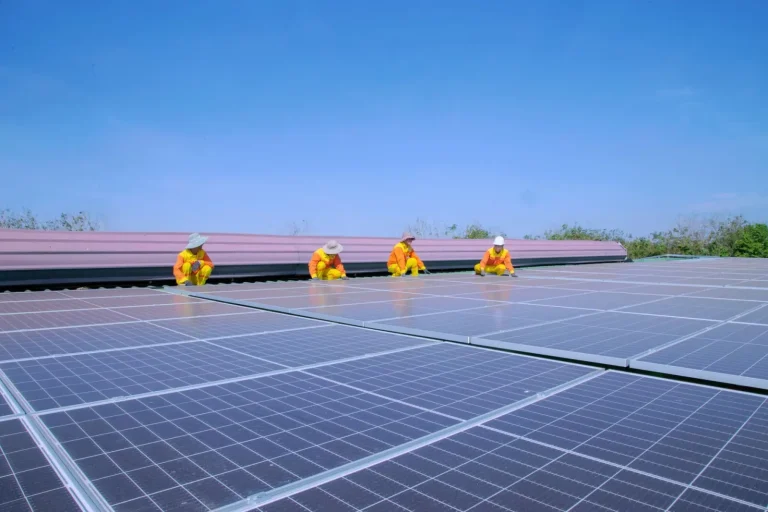

Australia’s electricity grid is at a turning point. Over the past decade, I’ve watched the country add renewable generation capacity at a pace that would have seemed impossible fifteen years ago. Solar farms sprawl across inland plains. Wind turbines cluster along coastal ridges. Yet the infrastructure that moves that power from where it’s generated to where it’s needed hasn’t kept up. This mismatch between generation and transmission capacity is becoming the real constraint on Australia’s energy future.
The problem isn’t subtle, and it’s not new. When you build a solar farm in central Queensland or a wind farm off the South Australian coast, you’ve created a power source. But that power needs a highway to reach Sydney, Melbourne, or Brisbane. Without adequate transmission lines, that renewable energy either sits unused or gets curtailed – literally switched off because the grid can’t absorb it. I’ve seen this happen repeatedly over the past few years, particularly during periods of high wind or solar generation when demand is lower. The grid operators have to manage what’s called “congestion,” and the solution is often to reduce output from the renewable sources, which defeats the purpose of building them in the first place.
The Geography Problem
Australia’s renewable resources are geographically distributed in ways that don’t always align with population centres. The best wind resources sit offshore or in remote regions. The most productive solar sites are inland, away from major cities. This isn’t a flaw in the resources themselves – it’s simply the reality of where Australia’s geography places them. But it means transmission infrastructure has to span long distances, often through challenging terrain.
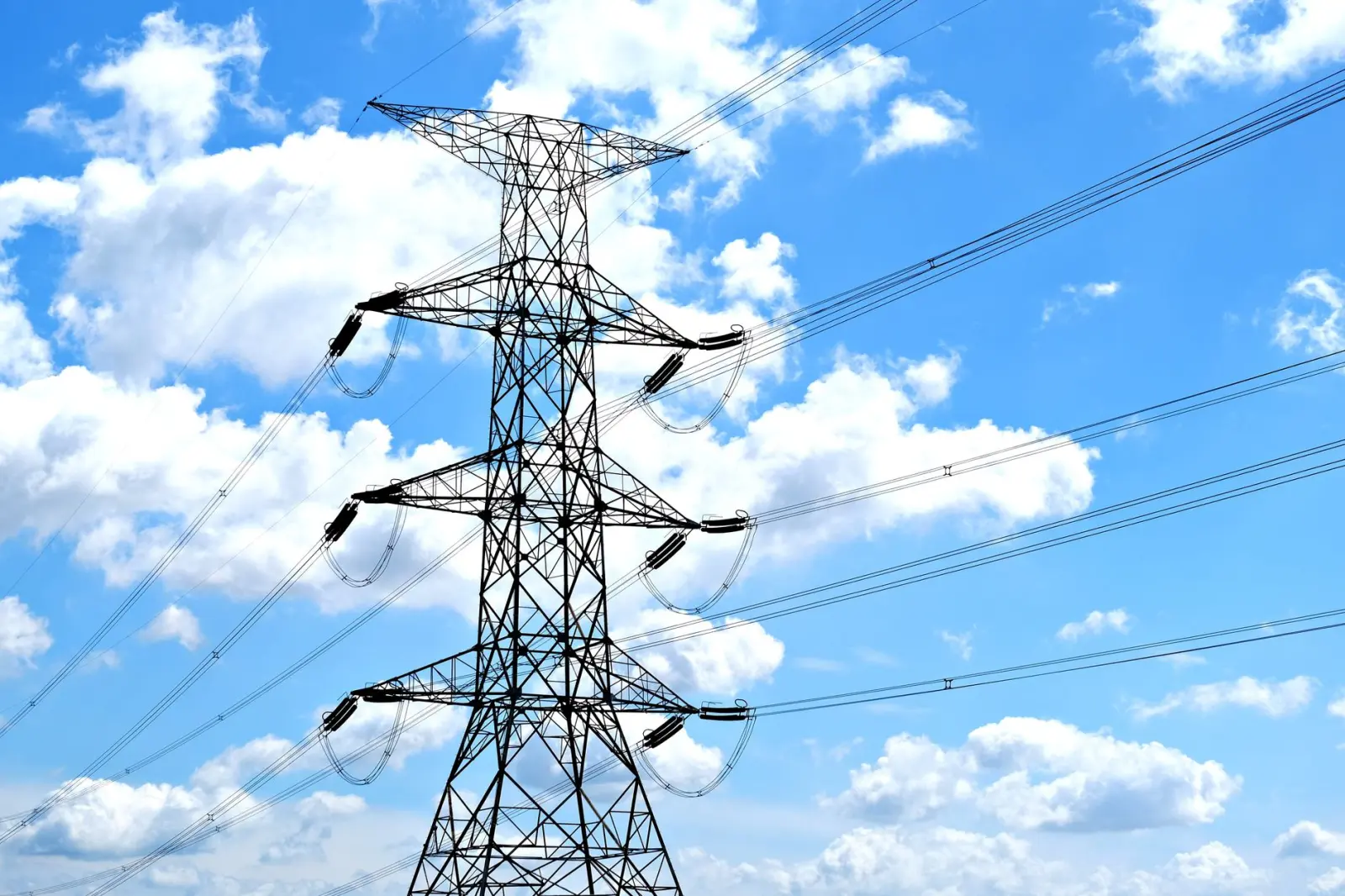
Building transmission lines across 500 kilometres of scrubland or desert is fundamentally different from upgrading lines in densely populated areas. The costs are higher. The environmental approvals take longer. The maintenance logistics are more complex. I’ve worked on projects where the transmission line itself became the bottleneck, not the generation capacity. A single 330-kilovolt line running from a wind farm to the nearest load centre can represent years of planning and hundreds of millions of dollars in capital investment.
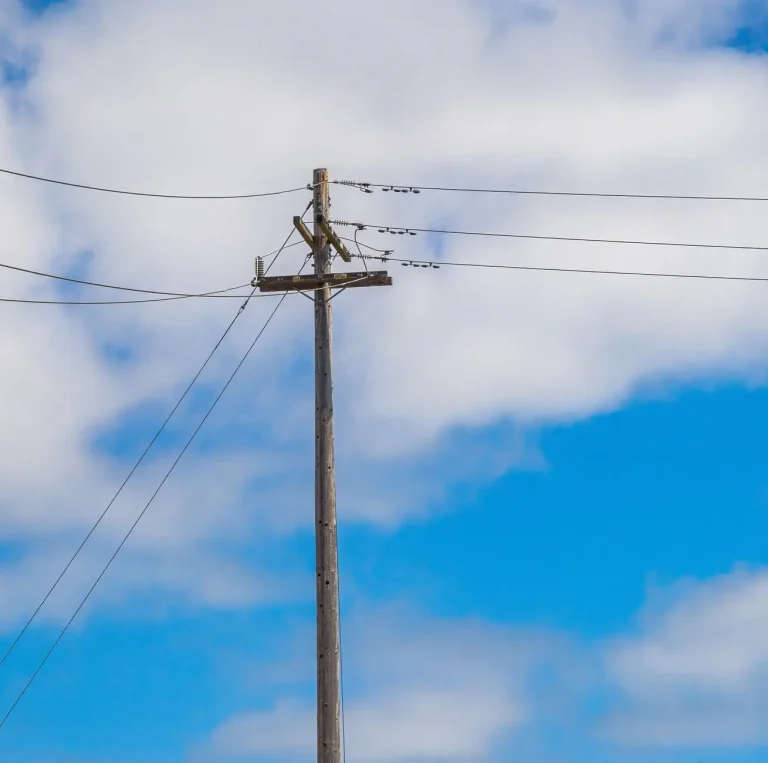
The interstate transmission network that exists today was largely built in the 1970s and 1980s, when demand patterns were different and renewable generation wasn’t part of the planning equation. Those lines were designed to move power from coal-fired stations in Queensland and New South Wales to southern demand centres. They weren’t designed to handle the bidirectional flows and variable output that come with distributed renewable generation. Upgrading or replacing them isn’t a matter of adding a few cables. It often means rebuilding entire corridors.
Congestion and Economic Loss
When transmission capacity is constrained, the grid experiences what’s called “congestion pricing.” Essentially, the cost of electricity in different regions diverges because power can’t flow freely between them. I’ve seen price spreads between South Australia and New South Wales reach levels where renewable generators in South Australia are being paid almost nothing to generate, while consumers in New South Wales are paying premium prices. This is economically irrational, but it’s what happens when the transmission network can’t move power to where it’s needed.
This congestion also creates perverse incentives. It can make it more economical to build new generation capacity in high-demand areas, even if those areas have worse renewable resources, simply because the power doesn’t have to travel as far. Over time, this inefficiency compounds. The grid becomes more expensive to operate, and the transition to renewables slows down because the economic case for building generation in optimal locations weakens.
The Interconnection Challenge
Australia’s eastern seaboard is connected by what’s called the National Electricity Market, but the interconnections between states are surprisingly limited. Queensland and New South Wales are linked by a handful of lines. South Australia’s connection to Victoria is constrained. Western Australia and Northern Territory operate almost entirely separately from the rest of the country. This fragmentation made sense when each state had its own coal-fired power stations, but it’s a significant limitation now.
Strengthening these interconnections would allow renewable energy generated in one state to balance demand fluctuations in another. A windy day in South Australia could help meet peak demand in Victoria. A sunny afternoon in inland Queensland could supply evening loads in New South Wales. But building new interconnection lines requires coordination between state governments, regulatory bodies, and private investors. The process is slow, and the investment is substantial.
I’ve observed that the best-performing periods on the grid tend to coincide with high renewable output and strong interconnection flows. When wind is strong across multiple states, the ability to move that power around the network means less needs to be curtailed. When interconnections are weak, even abundant renewable generation becomes a problem because it can’t be distributed efficiently.
Investment and Planning Timescales
Transmission infrastructure operates on a different timescale than generation. A solar farm can be built in 12 to 18 months. A transmission line can take five to seven years from planning approval to operation, sometimes longer. This mismatch means that transmission planning has to anticipate future demand and generation patterns years in advance. Get the forecast wrong, and you’ve either under-invested in capacity or built lines that aren’t fully utilised.
The investment required is also substantial. Major transmission projects regularly cost $500 million to $2 billion or more. These are long-term investments with relatively low returns, which makes them unattractive to private investors without regulatory support. Most transmission infrastructure in Australia is owned and operated by regulated utilities that have guaranteed returns, but the regulatory framework hasn’t always moved quickly enough to approve new investment when it’s needed.
Over the past five years, I’ve seen a shift in how transmission is being planned. Instead of waiting for demand to grow and then building to meet it, planners are now trying to anticipate where generation will be built and ensure transmission capacity is available. This is a more proactive approach, but it requires better forecasting and closer coordination between generation developers and transmission operators. It’s not always seamless.
The Renewable Energy Imperative
Australia has committed to significant greenhouse gas reductions, and the only realistic path to meeting those targets is through renewable energy. Coal-fired generation is declining. Gas is being phased out. This means the grid will increasingly depend on wind and solar, which are variable and geographically distributed. Without transmission infrastructure that can handle this variability and move power across long distances, the transition becomes much harder and much more expensive.
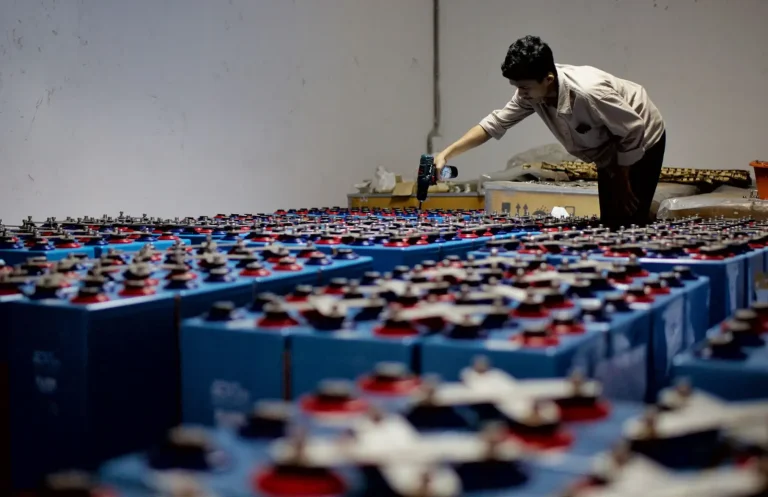
Battery storage is often cited as a solution to variability, and it will play a role. But batteries are expensive, and their economics improve when they’re paired with efficient transmission. If power can be moved freely between regions, the amount of storage needed decreases. If transmission is constrained, more storage is required to manage local imbalances. The two systems are interdependent.
What I’ve seen consistently is that the most efficient and cost-effective energy systems are those with strong transmission networks that can move power flexibly between generation and demand centres. Australia has the renewable resources to become a clean energy leader, but only if the transmission infrastructure keeps pace with generation capacity. Right now, it’s not, and that gap is becoming increasingly costly.