
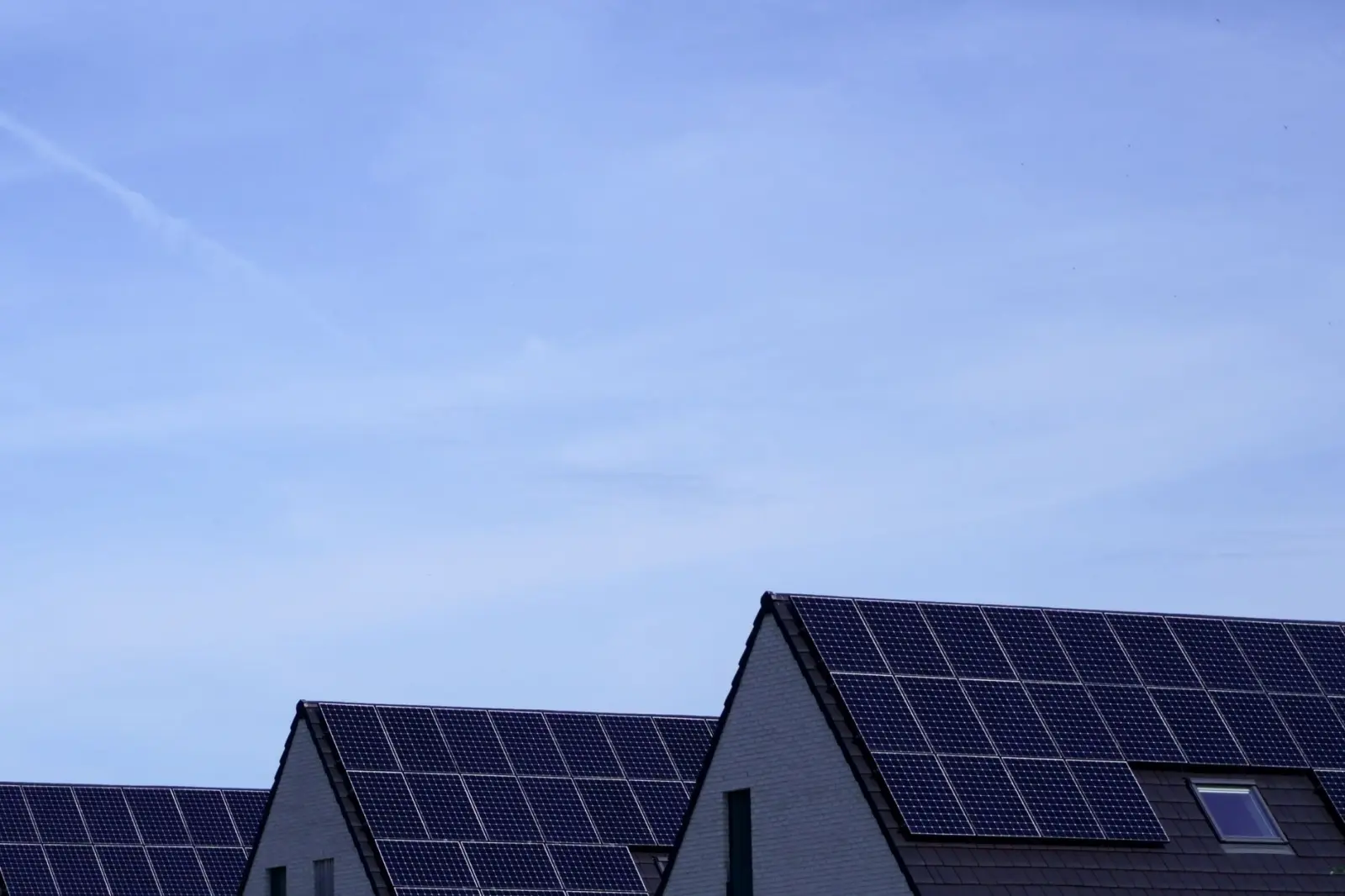
Australia’s electricity system has undergone a shift that few utilities anticipated would happen this quickly. Over the past decade, rooftop solar installations have moved from a niche environmental choice to something that fundamentally altered how power flows through the grid. I’ve watched this transformation unfold across residential neighbourhoods, and it’s not simply a story of adding renewable capacity. It’s about how millions of small, distributed generators changed the rules of an electrical system built on completely different assumptions.
When I first started working with solar installations in the early 2010s, they were still treated as curiosities by the broader energy sector. Grid operators managed demand and supply using predictable patterns: power plants ramped up during the day and evening peak, and demand fell overnight. Solar panels disrupted that rhythm entirely. By the mid-2010s, solar penetration in some regions reached levels that forced grid managers to confront problems they’d never had to solve before. The system wasn’t designed for millions of small generators feeding power back simultaneously.
The most visible change has been the midday solar trough. On clear days, when rooftop systems are producing maximum output, wholesale electricity prices can drop dramatically or even go negative. I’ve seen this happen repeatedly in South Australia and Queensland. Grid operators have to manage this daily inversion where the traditional peak demand period no longer aligns with peak generation. This created genuine technical challenges that required new thinking about how to balance supply and demand.
The Duck Curve Problem
The term “duck curve” describes what happens on a sunny day when solar output rises steeply in the morning, peaks around midday, then drops sharply in the late afternoon just as people return home and turn on appliances. The grid sees a steep ramp on both sides of that curve. Managing that ramp requires either storage capacity, flexible generation that can respond quickly, or demand shifting. Australia didn’t have much of any of these things when solar penetration began accelerating.
What I’ve observed is that this problem became most acute in states with high residential solar adoption. South Australia hit this wall first. By 2015 and 2016, the state had so much rooftop solar that on windy, sunny days, fossil fuel generators were being asked to shut down or operate at minimal output. The system had to learn to handle periods where renewables were meeting most of the demand. Grid operators weren’t accustomed to managing that scenario, and the technical and economic implications were substantial.
The response wasn’t immediate or uniform. Some network operators invested in battery storage. Others pushed for demand management programs where large users agreed to shift consumption away from peak periods. Still others advocated for grid upgrades to handle the new flow patterns. The reality is that different regions took different approaches, and the effectiveness of those approaches varied considerably.
Inverter Standards and Grid Support
One aspect that rarely gets discussed outside technical circles is how the equipment itself changed. Early rooftop solar systems used simple inverters that converted DC power to AC and fed it into the grid. These inverters didn’t actively support grid voltage or frequency. As solar penetration increased, that became a problem. When large amounts of solar generation suddenly disappear due to cloud cover, the grid needs something to stabilize voltage and frequency immediately. Traditional power plants did this automatically. Solar inverters didn’t.
This led to new standards requiring inverters to provide what’s called “grid-forming” or “synchronous” capability. Newer systems can now actively support grid voltage and respond to frequency changes. I’ve seen this transition happen in real time across Australia. Older installations that worked fine in 2012 became problematic by 2018 simply because the grid had changed around them. Some homeowners had to upgrade their inverters even though the solar panels themselves were still functioning perfectly.
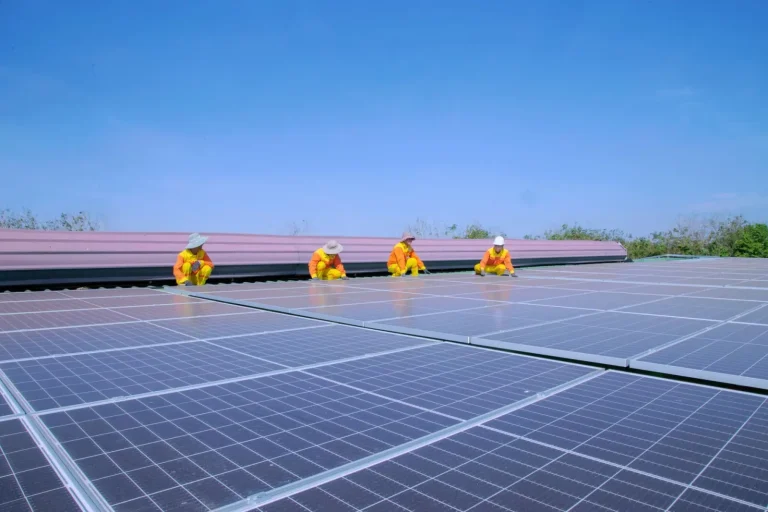
The shift in equipment standards also affected how systems are installed and commissioned. Testing became more rigorous. Network operators began requiring detailed electrical specifications before connecting new systems. What used to be a straightforward installation process in some areas became a more involved technical review. This wasn’t bureaucratic obstruction – it reflected genuine technical needs that emerged as penetration levels changed.
Network Congestion and Reverse Power Flow
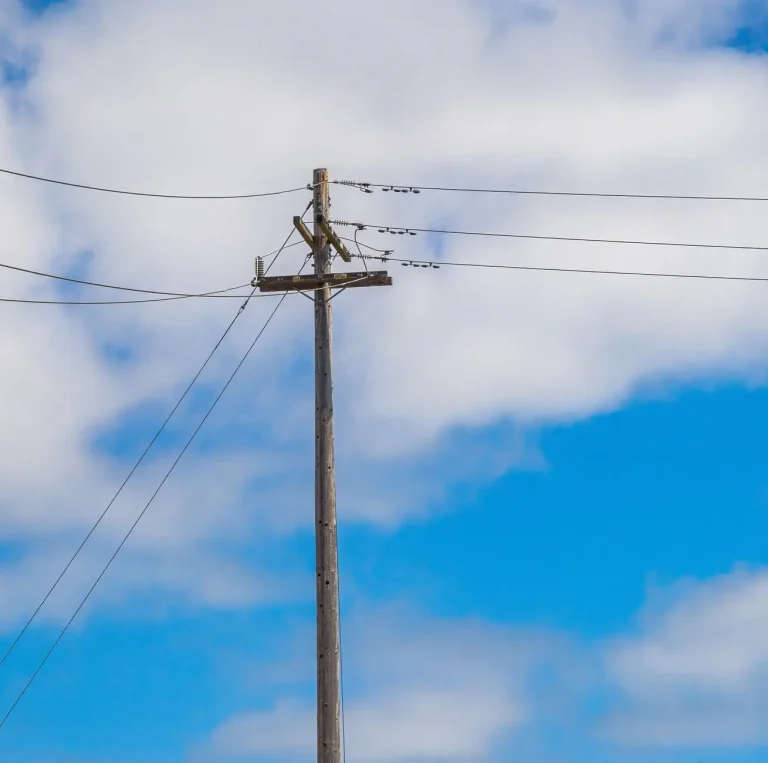
In older residential areas with aging distribution networks, rooftop solar created a different kind of problem: reverse power flow. Traditionally, electricity flowed one direction through distribution lines, from substations out to homes. With rooftop solar, power now flows backward, from homes back toward the substation and beyond. The transformers and cables in these networks weren’t designed for that.
I’ve seen situations where a street with high solar penetration experiences voltage rise issues. When many homes are generating solar power simultaneously, the voltage at the end of the distribution line can climb above acceptable limits. This can damage appliances and electronics in homes. Some network operators have had to install voltage regulation equipment or upgrade cables to handle this. In a few cases, they’ve had to limit how much solar capacity can be connected to a particular section of network.
This constraint is often invisible to homeowners. They see a quote for a solar system and assume it can be installed without issues. But network operators are increasingly saying no to installations in certain areas, or requiring expensive network upgrades as a condition of connection. The cost and delay of these upgrades can make a solar installation uneconomical. It’s a real friction point that emerged directly from solar’s rapid growth.
Market Structure and Pricing Pressure
The wholesale electricity market has been fundamentally altered by rooftop solar. When millions of systems feed power into the grid simultaneously, wholesale prices collapse. I’ve watched this happen on clear, mild days when demand is low and solar output is high. Prices can drop to near zero or go negative, meaning generators are paying to have their power taken off the grid.
This creates a strange economic dynamic. Large-scale solar farms and wind farms, which operate in the wholesale market, struggle to make returns when prices are constantly suppressed by midday solar generation. Ironically, this has slowed investment in utility-scale renewables in some regions. The rooftop solar boom has actually made it harder for other renewable projects to be financially viable. This is a paradox that few people anticipated.
Retailers and network operators have responded by changing pricing structures. Time-of-use tariffs have become more common, where electricity costs more during peak periods and less during off-peak times. Some networks have introduced demand charges or solar export charges. These changes are attempts to align pricing with the actual costs of managing the grid, but they also represent a fundamental shift in how households are charged for electricity.
Storage and the Next Phase
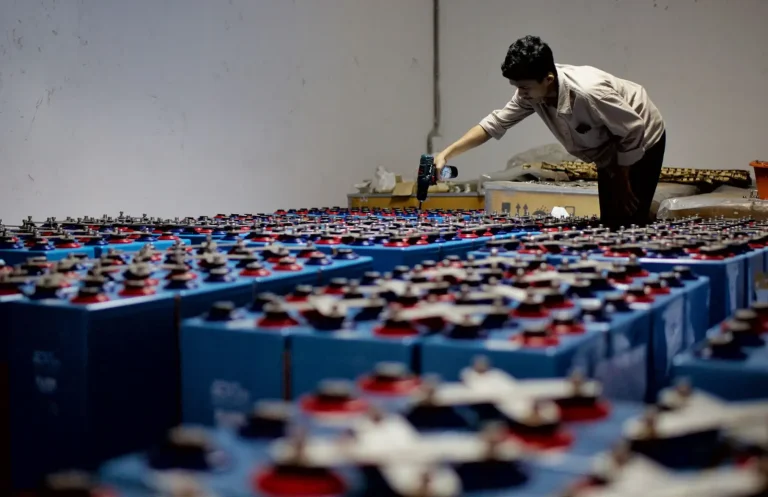
Battery storage is now becoming the logical counterpart to rooftop solar. Batteries solve the timing problem that solar creates. A household with solar and battery can store excess midday generation and use it in the evening when demand peaks. From a grid perspective, this is enormously valuable. It flattens the duck curve and reduces the need for rapid ramps in conventional generation.
The cost of batteries has fallen dramatically, making this combination increasingly economical. I’m now seeing installations where homeowners add batteries not primarily for backup power, but because the economic case for self-consumption and time-shifting is sound. This is a significant change from five years ago, when batteries were still viewed as an optional luxury.
What’s emerging is a two-tier system. Homes with solar and battery can operate more independently and export power strategically. Homes with only solar are increasingly constrained by network rules and pricing structures that reflect the grid management costs they create. Over time, this may drive faster adoption of storage, which would further reduce demand on the grid during traditional peak periods.
The Australian electricity system today looks fundamentally different from the one that existed in 2010. Rooftop solar didn’t just add renewable capacity. It forced a complete rethinking of how the grid is operated, how equipment is specified, how networks are managed, and how electricity is priced. The transformation is ongoing, and the system is still adapting to the reality of millions of distributed generators. What started as individual homeowners installing panels on their roofs has become a structural challenge that affects every part of how electricity reaches homes and businesses.