
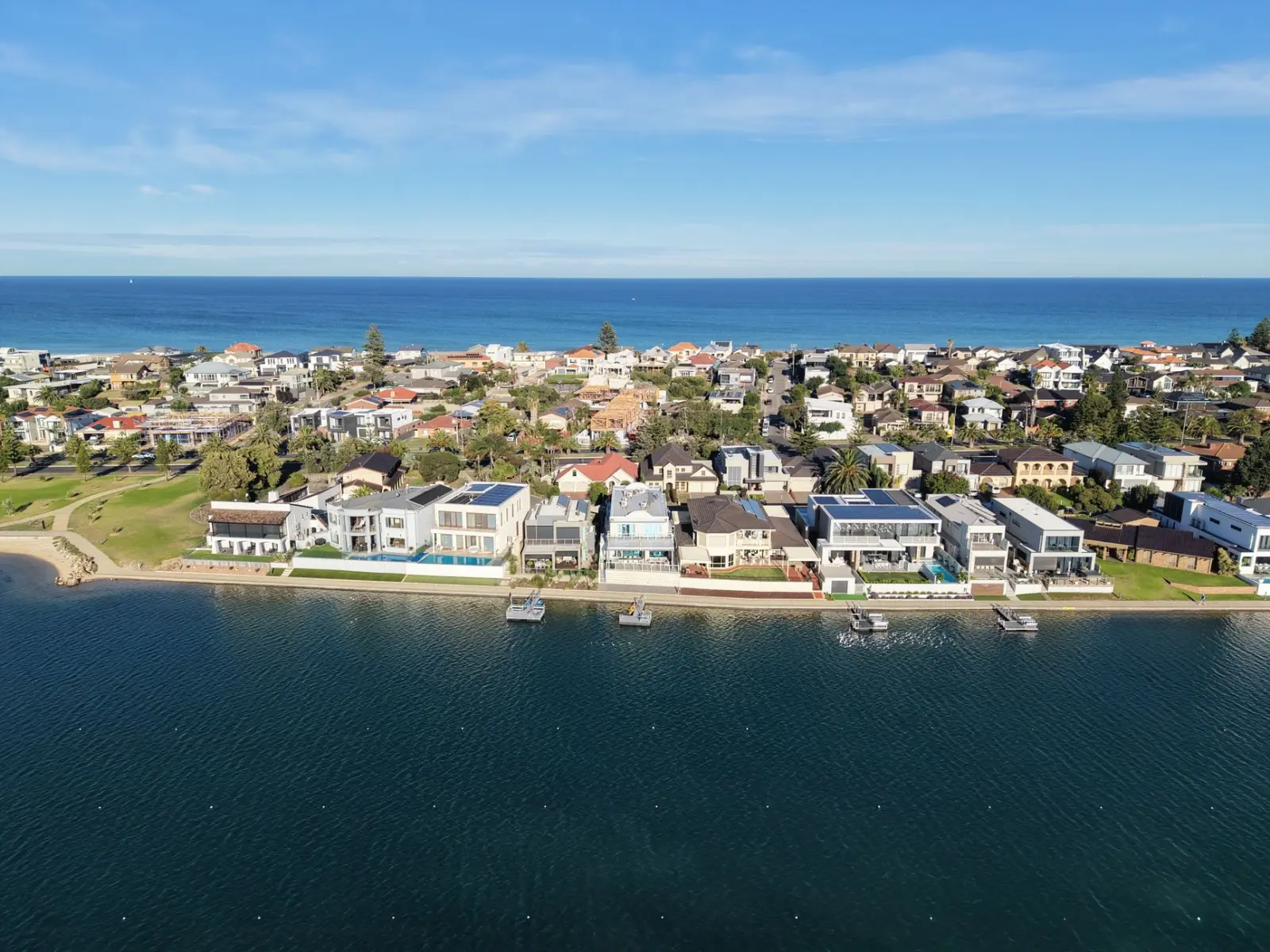
Over the past decade, I’ve watched the Australian coastal property market shift in ways that go beyond the usual boom-and-bust cycles. It’s not dramatic or sudden for most properties, but it’s persistent. Buyers are becoming quieter about certain postcodes. Sellers are adjusting expectations. Insurance companies are running new models. Banks are asking different questions during valuations. These aren’t isolated incidents – they’re symptoms of a market recalibrating around climate risk.
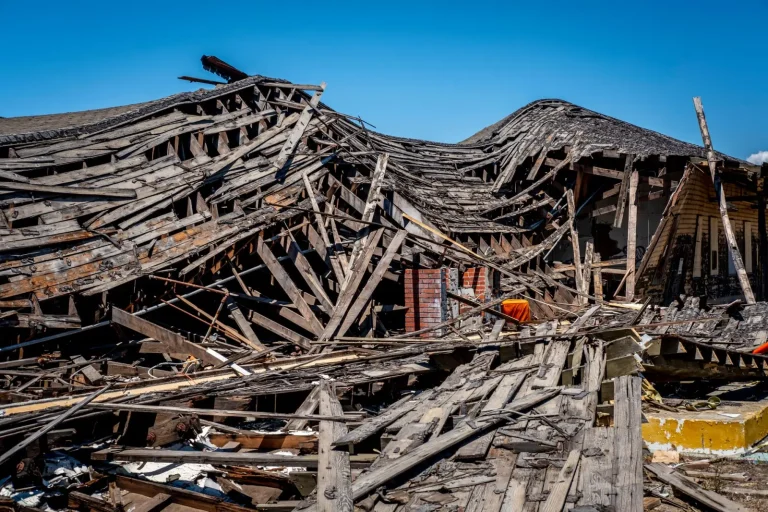
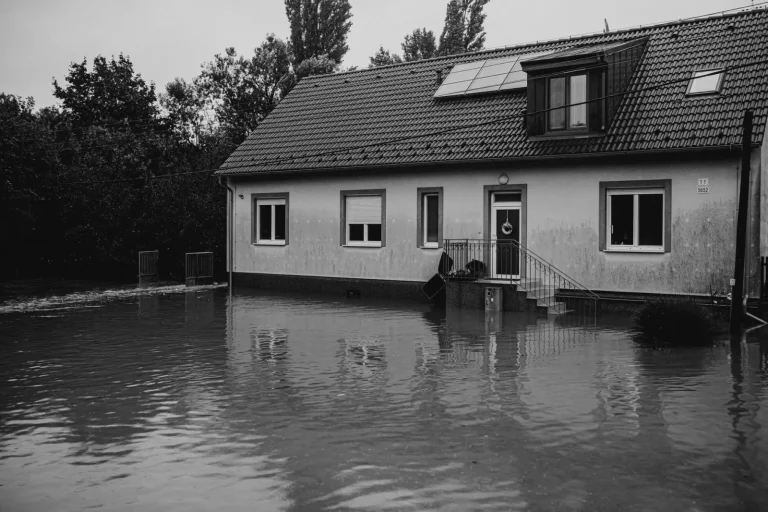
The physical reality is straightforward: sea levels are rising, storm surge is becoming more aggressive, and rainfall patterns are changing. In practical terms, this means properties that were considered safe twenty years ago are now sitting closer to flood lines. Coastal erosion that used to be measured in centimeters per decade is now happening faster. Saltwater intrusion into groundwater is affecting some regions. These aren’t theoretical problems anymore – they’re showing up in foundation assessments, drainage reports, and insurance quotes.
What strikes me most is how unevenly this is playing out across different coastal markets. A beachfront property in one suburb might hold its value while an identical one two kilometers away loses ten to fifteen percent. The difference often comes down to local topography, council planning decisions, and whether the property sits in a mapped flood zone. This creates a strange fragmentation where neighboring properties can have vastly different risk profiles.
Insurance and the Cost of Uncertainty
Insurance has become the canary in the coal mine for coastal property owners. Over the last five years, I’ve seen premiums double or triple for properties in certain zones, particularly those within five kilometers of the coast or in areas with a history of flooding. Some insurers have simply withdrawn from high-risk postcodes entirely, leaving owners scrambling for coverage through specialty providers at significantly higher rates.
The problem isn’t just the premium itself. It’s the underwriting process. Insurers now commission detailed flood and storm surge modeling specific to individual properties. They’re looking at historical weather data, council flood maps, and elevation surveys. A property that passed insurance review three years ago might not pass it today because the risk models have been updated. I’ve seen policies cancelled on renewal with minimal notice, forcing owners to find alternative coverage or go uninsured – which isn’t legally possible if there’s a mortgage.
What’s less visible is how insurance costs are bleeding into property valuations. Buyers factor in the total cost of ownership, and when insurance becomes a significant line item, it affects what they’re willing to pay. A property with a $2,000 annual insurance premium is fundamentally different from one with a $6,000 premium, even if the buildings themselves are identical. Lenders are also tightening their stance – some won’t lend on properties in certain flood zones at all, or they’ll only lend at a reduced LVR, which limits the pool of potential buyers.
The Valuation Problem
Property valuers are caught between old models and new realities. Traditional valuation methods rely heavily on comparable sales data – what similar properties sold for recently. But when the market is shifting, comparables become less reliable. A property that sold for $1.2 million two years ago might be worth $1.05 million today, not because of the building itself, but because the risk profile has changed.
Valuers are now expected to factor in climate risk, but there’s no standardized approach across Australia. Some valuers are conservative, applying significant discounts to properties in flood-prone areas. Others are more cautious, waiting for the market to settle before making major adjustments. This inconsistency creates problems for both buyers and lenders. A bank might order a valuation that comes in lower than expected, which can derail a sale or force renegotiation.
What I’ve observed is that valuers tend to lag behind reality. They’re responding to what’s already happened – past flooding events, insurance changes, previous sales – rather than anticipating what’s coming. A property might be valued as if it’s in a low-risk zone when council flood mapping suggests otherwise. The lag creates a window where informed buyers can identify overvalued properties, but it also means some owners are sitting on assets that are worth less than they think.
Development and Planning Constraints
Local councils are tightening planning rules for coastal areas. Minimum floor levels for new builds are creeping upward. Some councils are restricting development in certain zones entirely. Others are requiring detailed stormwater and flood management plans before approving renovations or extensions.
This has a direct impact on property improvement value. An owner might spend $150,000 on a renovation, but if council rules have changed since the original build, the improvement might not add the expected value back. In some cases, new regulations mean you can’t renovate at all without expensive compliance work – raising floor levels, upgrading drainage, or installing flood-resistant materials.
I’ve seen this play out in several markets where older coastal homes are becoming harder to improve. The cost of bringing them up to current standards can be prohibitive. This creates a two-tier market: newer properties built to current standards hold value better, while older homes – even if they’re structurally sound – become less attractive because the cost of modernization is high.
Buyer Behavior and Market Segmentation
The market is splitting. Buyers with long time horizons and deep pockets are still buying premium coastal properties – they can absorb higher insurance costs and aren’t concerned about resale value in twenty years. But the middle market is thinning. Owner-occupiers who might have bought a modest beach house ten years ago are now hesitant. Investors are more selective, focusing on properties with strong rental yields to offset insurance and maintenance costs.
First-time buyers are largely absent from high-risk coastal zones. They can’t afford the insurance premiums, and lenders won’t give them favorable terms. This shifts the demographic of coastal property owners toward wealthier, older buyers – which has implications for community composition and local economies.
What’s interesting is that some coastal areas are seeing renewed interest from buyers who are explicitly factoring in climate adaptation. They’re choosing properties with good drainage, higher elevation, or newer construction. These properties tend to hold value better and attract a different buyer profile. But this is a minority trend – most buyers are still operating on older assumptions about coastal property safety.
Long-Term Viability Questions
There’s a growing conversation – still quiet in most circles, but happening – about whether certain coastal properties will be viable long-term. Not in the next five years, but in thirty or fifty years. If sea levels continue to rise and storm intensity increases, some properties will become uninsurable or unsellable. This isn’t speculation anymore; it’s a risk that serious investors and planners are considering.
The challenge is that this creates a prisoner’s dilemma for current owners. If you sell now, you’re locking in losses. If you hold, you’re betting that the market will stabilize or that adaptation measures will be effective. Meanwhile, property taxes, insurance, and maintenance costs keep rising.
Some regions are exploring managed retreat – essentially buying out property owners in the highest-risk zones and allowing land to return to natural state. This is happening in limited areas, but it signals how serious some councils are about the problem. For property owners, this is both an opportunity and a threat, depending on whether their property is in a targeted zone.
The Australian coastal property market isn’t collapsing, but it is fragmenting. Risk is being priced in unevenly, creating winners and losers based on location, age of construction, and local planning decisions. For anyone involved in coastal real estate – whether buying, selling, or maintaining a property – the calculus has changed. The old assumption that coastal property is always a safe investment is gone. What replaces it is more nuanced, more localized, and requires a much harder look at what you’re actually buying.