
Australia’s energy transition is not something happening in boardrooms or policy papers alone. It’s happening in homes, garages, and the spaces where people actually live and work. Over the past several years, I’ve watched how this shift affects the way households and small properties function – not just in theory, but in the daily reality of managing power, heat, water, and the systems that keep things running.
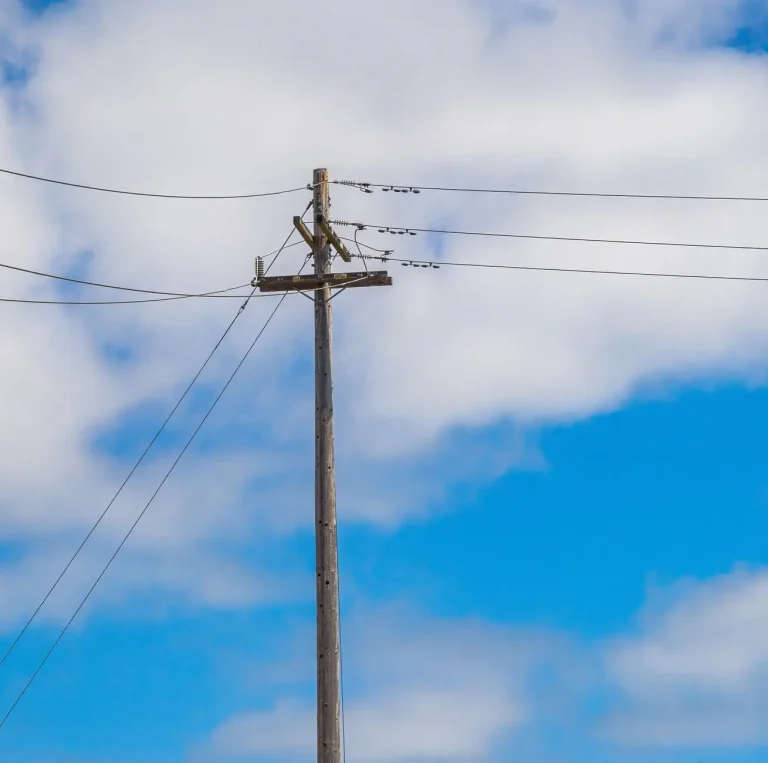
The transition from coal-heavy generation to renewable sources like solar and wind creates a fundamentally different electrical environment. The grid is less predictable. Supply and demand patterns shift hour by hour, sometimes minute by minute. This isn’t a minor technical detail. It changes how appliances behave, when they run most efficiently, and what happens when you need power at the wrong time of day.
What I’ve noticed most is that people don’t think about productivity in relation to energy until something stops working. A pump that used to run reliably now cycles oddly. A hot water system that heated on demand now struggles at peak times. A home office setup that worked fine suddenly has voltage fluctuations that make equipment unreliable. These aren’t failures of the equipment itself, usually. They’re mismatches between how systems were designed and how the grid now behaves.
The Real Cost of Inefficiency During Grid Transition
When energy supply becomes variable, inefficient systems don’t just cost more to run – they become unreliable. A water heater that operates at 80 percent efficiency might work fine on a stable grid. On a grid with frequent voltage dips and surges, that same heater struggles to reach temperature, cycles more often, and wears out faster. The productivity loss isn’t just about energy bills. It’s about how often you need to replace things, how much time you spend troubleshooting problems, and whether systems do what you actually need them to do.
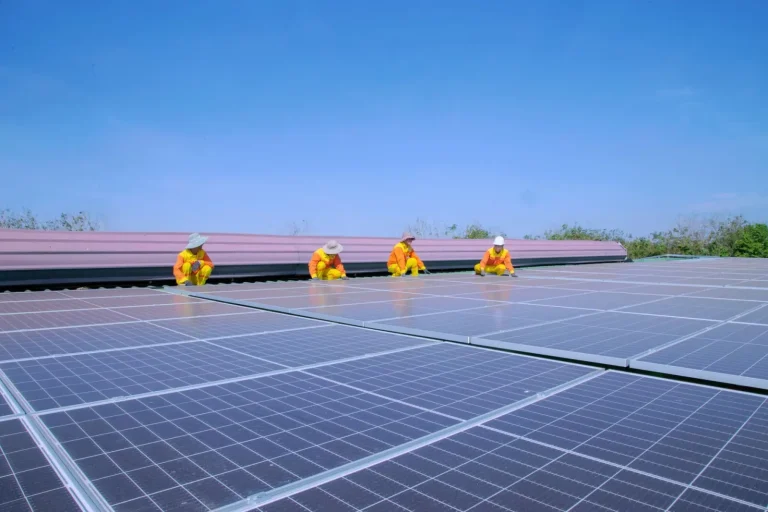
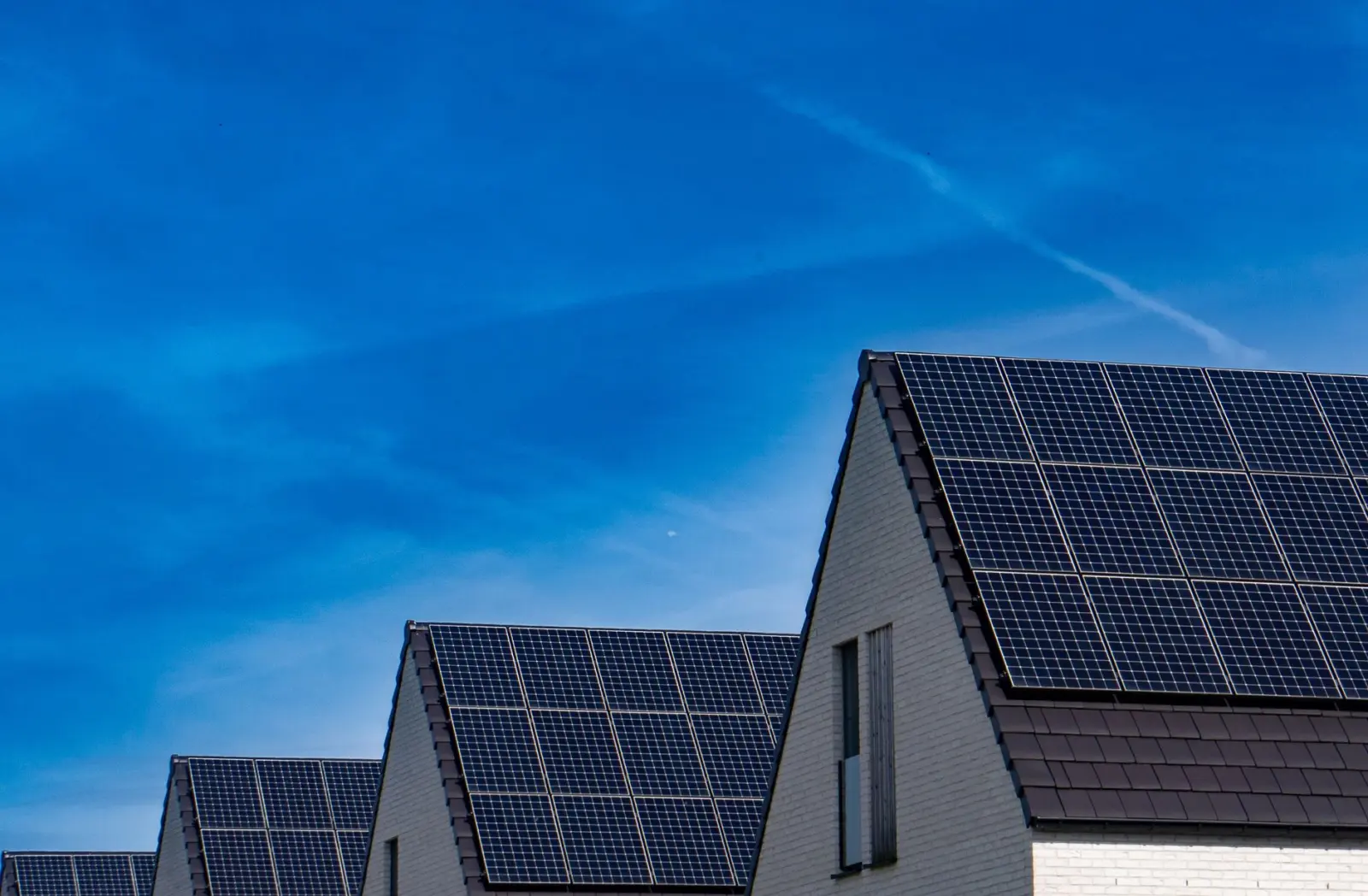
I’ve seen this pattern repeatedly. A household invests in solar panels, which is sensible. But the existing hot water system, the pool pump, the air conditioning unit – these were all sized and installed for a different grid reality. When renewable generation peaks midday and drops at night, these systems either run at the wrong times or don’t run at all. The owner becomes frustrated, assumes the solar installation was a mistake, and the whole transition feels like a step backward.
The productivity issue cuts deeper than inconvenience. When systems don’t work as expected, people lose confidence in the transition itself. They see renewable energy as unreliable rather than understanding that their existing infrastructure wasn’t built for a variable supply. This perception matters because it affects adoption rates, investment decisions, and whether people are willing to adapt their habits to work with the new grid reality.
Matching Systems to Variable Supply
The homes and properties that function well during this transition are the ones where systems are deliberately matched to the new grid conditions. This doesn’t mean replacing everything. It means understanding what each system actually needs and when it needs it.
A simple example: a pool pump that runs on a timer at 2 PM every day works fine on a traditional grid. On a grid with variable renewable supply, that same pump might run when solar generation is lowest, pulling power from gas or battery reserves. If the pump instead runs when solar output is highest – even if that’s 11 AM instead of 2 PM – the entire system becomes more efficient. The pump gets cheaper power, the grid experiences less stress, and the owner doesn’t notice any difference in pool cleanliness.
Water heating shows the same principle. An instantaneous gas heater doesn’t care when you ask for hot water. An electric system, though, becomes far more productive if it can heat water during peak solar hours and store it for later use. This isn’t new technology. Storage tanks have existed for decades. But the productivity case for them changes when the grid shifts from stable supply to variable generation.
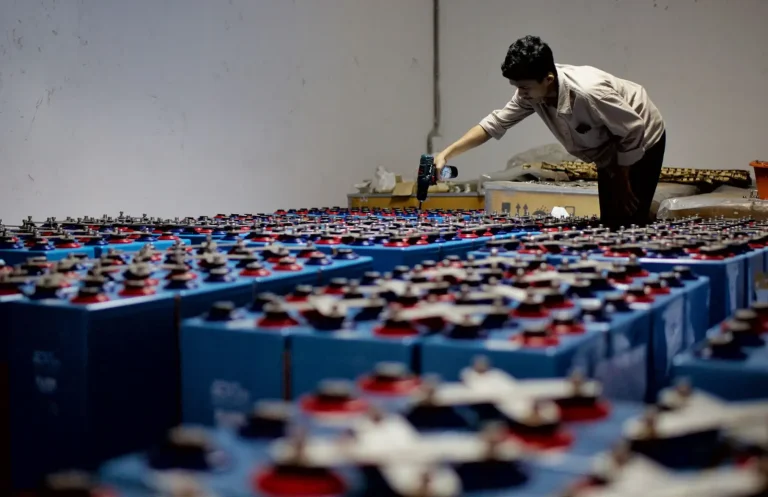
I’ve worked with properties that installed battery systems not because they wanted to go off-grid, but because they wanted to shift when they consumed power. A small battery buffer – enough to run essential loads for a few hours – changes the entire productivity equation. The household can use solar power when it’s available, store what they don’t need immediately, and draw from storage during evening peak prices. The financial return on that battery improves significantly compared to a grid with stable, predictable pricing.
The Overlooked Reality of Grid Coordination
One thing that rarely gets discussed is how individual property productivity connects to broader grid stability. When thousands of households all try to use power at the same time, the grid has to respond. During Australia’s transition, that response is increasingly expensive and complex. If those same households could shift their consumption even slightly – running major loads during high renewable generation rather than at evening peak – the entire grid becomes more stable and cheaper to operate.
This creates a feedback loop. When more properties operate productively within the new grid reality, grid operators need less backup capacity, which reduces costs for everyone. When properties operate inefficiently – pulling power at peak times, not using available solar generation – the grid needs more expensive infrastructure to handle demand spikes. The individual property owner bears some of that cost through higher network charges.
What I’ve observed is that households making deliberate choices about when and how they use power tend to see better financial outcomes. Not because they’re doing anything complicated, but because they’re working with the grid rather than against it. A property that runs its washing machine and dishwasher during peak solar hours, that heats water when generation is high, that charges an electric vehicle overnight when wind generation peaks – that property is more productive in the context of Australia’s actual energy system.
Practical Adaptation Without Major Overhaul
The transition doesn’t require replacing every system in a home. It requires understanding which systems are flexible and which are fixed. A refrigerator runs 24/7 – that’s non-negotiable. But most other systems have some flexibility. Heating, cooling, water heating, laundry, charging, pool maintenance – all of these can shift within reasonable limits.
The most productive properties I’ve worked with made small, deliberate changes. They installed a programmable thermostat that heats or cools during certain hours rather than constantly. They shifted laundry to weekend mornings when solar output is typically high. They adjusted pool pump schedules to run during peak generation times. These aren’t sacrifices. They’re alignments. The systems do the same job, just at different times.
Some properties installed smart meters or monitoring systems that show real-time grid conditions. Knowing when renewable generation is high gives people information to make better decisions. Others invested in simple things like timer switches on non-essential loads, allowing them to shift consumption without buying new equipment.
The properties that struggled most were those that treated the energy transition as something happening to them rather than something they could participate in. They expected the grid to work exactly as it always had, expected their systems to perform identically, and then felt frustrated when reality didn’t match those expectations. The ones that adapted – even modestly – found that their systems worked better and their energy costs became more predictable.
Australia’s energy transition is real and ongoing. The grid is changing. The question for individual properties isn’t whether to accept that change, but how to operate productively within it. That productivity comes not from grand gestures or expensive retrofits, but from understanding how systems actually work in a variable energy environment and making deliberate choices about when and how they run. The homes that do this well tend to be the ones that benefit most from the transition, both financially and in terms of reliable, functional systems.