
After years of watching homeowners replace aging appliances, I’ve noticed a pattern: people expect dramatic savings the moment a new refrigerator or water heater arrives. The reality is more nuanced. Energy-efficient models do reduce consumption, sometimes significantly, but the actual dollar savings depend heavily on what you’re replacing, how you use it, and what your local utility rates look like. The gap between theoretical efficiency and real-world cost reduction is where most people get disappointed or pleasantly surprised.
The first thing to understand is that older appliances weren’t necessarily built to waste energy intentionally. They were built to different standards. A refrigerator from 1995 consumed roughly twice the electricity of a modern equivalent doing the same job. That’s not because it was poorly designed – it’s because insulation materials, compressor efficiency, and control systems have genuinely improved. When you replace a 25-year-old fridge with a current model, you’re not just buying a new appliance; you’re adopting technology that didn’t exist when the old one was manufactured.
But here’s what I’ve seen repeatedly: the savings calculation often ignores the actual operating conditions in a home. A water heater’s efficiency rating assumes a certain usage pattern. If your household uses twice that amount of hot water, you’re still spending more than the label predicts. Dishwashers marketed as efficient still require hot water, which costs money to produce. Washing machines save water, but some people run more loads because they can, offsetting the per-load savings. The appliance does its job efficiently; the household behavior determines whether costs actually drop.
Where the Real Savings Show Up
Refrigerators and freezers tend to deliver the most predictable savings because they run continuously and their duty cycle is relatively fixed. You’re not changing how often you open the door or how much you store. The compressor simply runs less frequently in a newer model. Over a year, that compounds into noticeable reductions on your electric bill. I’ve seen homeowners save $15 to $30 monthly by replacing a 20-year-old refrigerator, which adds up to $180 to $360 annually. That’s real money, though it takes years to offset the purchase price.
Water heaters show savings too, but the picture is cloudier. A high-efficiency tank heater might reduce standby losses and heat distribution losses compared to an older model, but the savings are smaller than most people expect – maybe $10 to $20 per month if you’re lucky. Tankless water heaters promise better efficiency, and they do eliminate standby losses entirely, but they cost more upfront and the monthly savings often hover around $15 to $25. The payback period stretches to 10 years or more, even with modest energy costs.
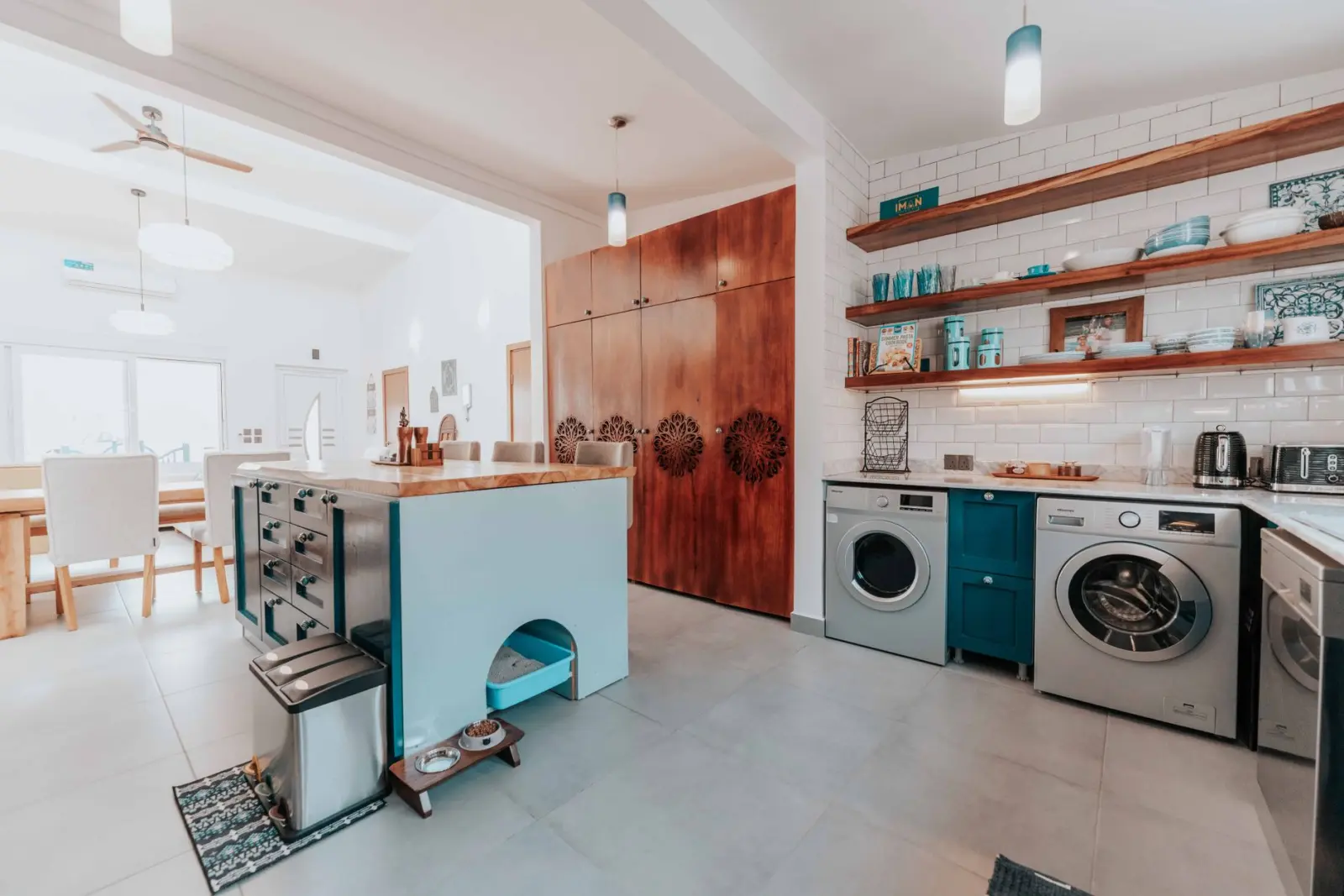
Washing machines and dishwashers occupy a middle ground. Energy Star models use less hot water and less electricity per cycle, which matters if you run many loads weekly. A family doing 10 loads of laundry per week might save $20 to $40 monthly by switching to an efficient machine. But if you’re a household of two running 3 loads weekly, the savings are proportionally smaller. The efficiency is real; the financial impact depends on your actual usage.
The Hidden Costs Nobody Mentions
When calculating whether an upgrade makes financial sense, most people focus on energy savings and ignore everything else. But there are other costs baked into the decision. A new appliance costs money upfront – sometimes significantly more for the efficient model. Delivery and installation can add hundreds. If the old appliance still works, you’re paying to remove and dispose of it. These costs matter when you’re trying to figure out your actual payback period.
There’s also the maintenance factor. Newer appliances often have more complex controls and electronic components. When they break, repairs can be expensive. I’ve seen people spend $400 on a control board replacement for a washing machine that’s only 7 years old. An older, simpler machine might have cost less to fix, or been easier to repair with common parts. This isn’t always the case – some newer appliances are genuinely more reliable – but it’s a variable that efficiency ratings don’t capture.
Utility rates matter more than people realize. If you live in an area with high electricity costs, the savings from an efficient refrigerator are proportionally larger. In regions with cheap power, the monthly savings might be $8 instead of $25. Your payback timeline changes dramatically based on geography. Similarly, if your utility company offers rebates for efficient appliances, that can shorten the payback period significantly. Some utilities will cover 20 to 30 percent of the purchase price for qualifying models.
When Replacement Actually Makes Sense
The strongest case for upgrading is when an old appliance is failing or about to fail. If your refrigerator is 20 years old and running constantly, or your water heater is leaking, you’re going to replace it anyway. Choosing an efficient model at that point makes sense because you’re comparing the cost of a new efficient appliance against the cost of a new baseline appliance. The efficiency premium might be $200 to $500, and the monthly savings of $15 to $25 means you recover that investment in 12 to 30 months. That’s reasonable.
Replacing a still-functional appliance purely for efficiency is a different calculation. You’re adding the cost of the old appliance’s disposal and the purchase price of the new one to your expenses. Unless the monthly savings are substantial and your payback period is under 5 to 7 years, you’re often better off waiting until the old one actually needs replacement. The environmental argument for early replacement sometimes holds water, but the financial case is usually weak.
There are exceptions. If you’re renovating a kitchen or bathroom anyway and need to replace multiple appliances, buying efficient models makes sense because you’re already incurring labor and disposal costs. The incremental cost of efficiency is lower when you’re already in replacement mode. Similarly, if a utility rebate is available, the financial equation shifts in favor of upgrading sooner.
What I’ve observed over time is that energy-efficient appliances do reduce household costs, but the reduction is gradual and often smaller than marketing suggests. The real value comes from understanding your actual usage patterns, knowing your local utility rates, and making the upgrade decision when an old appliance is already at the end of its life. That’s when efficiency gains compound into genuine savings rather than becoming an expensive environmental gesture.