

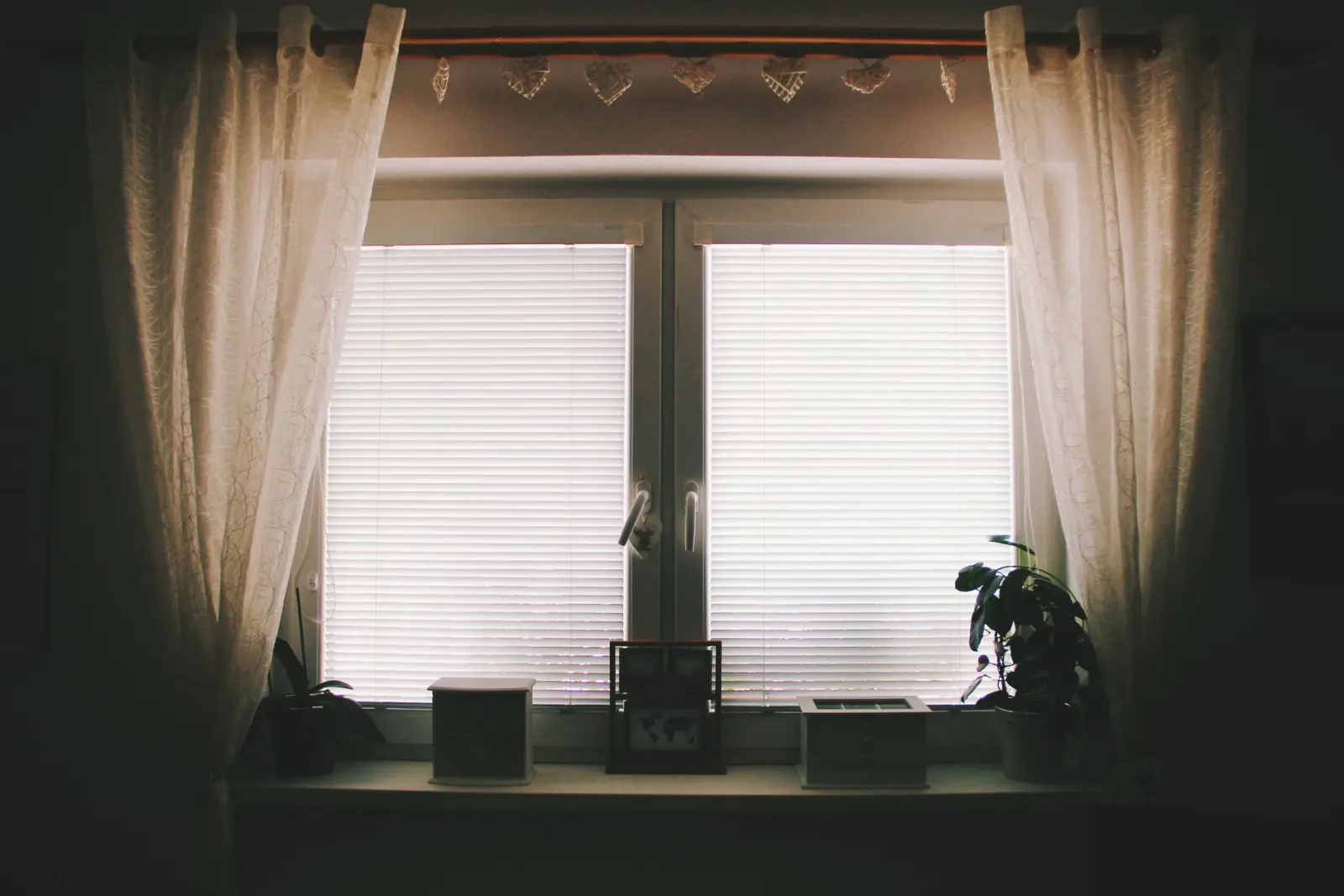
After years of working with homeowners on window treatments, I’ve noticed that most people approach this decision backwards. They pick something based on appearance first, then wonder why it doesn’t block light properly or why their heating bills spike in winter. The reality is that curtains and blinds serve three distinct functions – light control, privacy, and insulation – and they rarely perform equally well in all three areas. Understanding what you actually need from your windows makes the choice much clearer.
The first thing to recognize is that no single product does everything perfectly. A sheer fabric that looks elegant and lets in soft light will never give you complete privacy or serious thermal protection. A blackout roller shade will block light and provide decent insulation but offers zero aesthetic warmth to a room. Heavy velvet curtains will insulate beautifully and darken a bedroom but can feel oppressive in a living space. Once you accept these trade-offs, you can make decisions that match your real priorities rather than chasing an impossible ideal.
Light Control: What Actually Works
Light control is where most people think they need help, but the specifics matter enormously. If you want to dim a room without blocking all light – say, in a home office where you need to reduce glare on a screen – sheer curtains or semi-opaque roller blinds are adequate. They soften incoming light and reduce harsh shadows without making the space feel closed off. The catch is that they don’t actually block much light. If you’re standing outside looking in during the day, you can still see silhouettes and movement.
For genuine blackout capability, you need density. Blackout roller shades are the most efficient option because they’re engineered specifically for light blocking, with multiple layers and light-blocking coatings. They work immediately and consistently. Blackout curtains – heavy fabric linings that are either built in or added separately – also work well, but their effectiveness depends on how completely they seal the window. If there’s a gap between the curtain and the wall, light leaks in around the edges. I’ve seen people hang expensive blackout curtains that still let in light because they didn’t account for the sides.
The material itself matters less than you might think. A dense cotton blend can block light just as effectively as a synthetic fabric if it’s thick enough and installed properly. What I’ve found is that people often underestimate how much fabric weight they need. A curtain that feels substantial in your hand – around 10 to 15 ounces per linear yard – will block more light than something lighter, even if it’s theoretically “blackout” fabric. Weight also affects how the fabric hangs and moves, which influences both appearance and functionality.
Privacy Without Sacrificing Daylight
Privacy is trickier than light control because it’s directional. You might want privacy at night when lights are on inside but still want to see out and let light in during the day. This is where most standard solutions fall short.
Cellular shades (also called honeycomb shades) sit in the middle ground. They provide reasonable daytime privacy – someone outside can’t see clearly into the room, especially from a distance – while still allowing filtered light through. At night with interior lights on, they offer less privacy unless you also use curtains. They also provide decent insulation because of the air pockets in the cells, which I’ve observed makes a noticeable difference in rooms with older windows or poor weatherstripping.
If privacy is your main concern, you need something opaque. Roller shades in a solid color work well. Vertical blinds can work too, though they’re less effective at blocking side views and require careful alignment to avoid gaps. Wood blinds look better in many rooms and provide solid privacy when closed, but they’re heavier to operate and don’t insulate as well as fabric options.
One thing I’ve learned is that people often don’t realize how much privacy they actually need. If your windows face a quiet street or a yard with distance to neighbors, your privacy needs are different than if you’re in a dense neighborhood or your window is close to a sidewalk. Assessing the actual sight lines from outside – and at different times of day – helps you avoid over-investing in privacy features you don’t really need.
Insulation and Thermal Performance
This is where window treatments make a real difference in your utility bills, and it’s also where I see the most confusion. Windows are a major source of heat loss in winter and heat gain in summer. A single-pane window in an older home can lose as much heat as an uninsulated wall of the same size. Thermal window treatments help, but their effectiveness depends on how well they seal.
Heavy curtains with thermal linings work because they create an insulating air layer between the fabric and the window. The fabric itself is less important than the lining and how completely the curtains cover the window opening. Curtains that don’t reach the wall on either side or don’t extend above and below the frame leave gaps where warm air escapes. I’ve seen people hang beautiful curtains that provide almost no thermal benefit because they’re too narrow or too short. For real insulation value, curtains should extend at least 8 to 12 inches beyond the window frame on each side and go from near the ceiling to the floor or sill.
Cellular shades with their honeycomb structure provide genuine insulation. The air pockets trap heat in winter and block heat in summer. Top-down cellular shades are particularly effective because they allow you to lower them from the top while still letting light in from the bottom, and they seal better at the top where most heat loss occurs. They’re not as visually dramatic as curtains, but I’ve measured the difference in rooms with cellular shades versus nothing, and it’s measurable.
Roller shades with thermal backing also insulate, though less dramatically than cellular shades. The backing reflects heat back into the room in winter. They’re simpler mechanically than cellular shades and tend to be more durable in high-traffic areas.
Combining Treatments for Better Results
The most effective approach I’ve observed is layering. A sheer curtain for daytime light and privacy, paired with a roller shade or blackout curtain for night, gives you flexibility and better performance in all three areas. In bedrooms, this might mean lightweight curtains during the day and blackout shades at night. In living spaces, sheers with a heavier curtain panel behind them let you adjust based on time of day and season.
Layering also improves insulation. A cellular shade with a curtain panel over it creates multiple air barriers and is significantly more effective than either alone. The downside is cost and complexity. You’re buying two products instead of one, and operating them requires more thought. For rooms where thermal performance really matters – bedrooms, home offices where you spend long hours – the investment often makes sense. For a guest bedroom or occasional-use space, it might be overkill.
Practical considerations also matter. Motorized shades are convenient but add expense and create a maintenance point if something fails. Manual shades and curtains don’t break down, but they require daily operation. In a bedroom you use every night, motorization might be worth it. In a rarely-used room, probably not.
The material and color of your treatments affect how they perform and how long they last. Synthetic fabrics resist fading and moisture better than natural fibers, which is important in bathrooms or humid climates. Lighter colors show dust and stains more easily but reflect more light and heat. Darker colors hide wear better but absorb more heat in summer. These aren’t deal-breakers, just real-world trade-offs that become obvious after a few years of use.
What I’ve learned most from working with different homes is that the best choice depends entirely on your specific situation. A south-facing bedroom with morning sun needs different treatment than a north-facing living room. A room where you work at a computer has different requirements than a bedroom. A rental where you can’t make permanent changes needs something different than a home you own. Start with what you actually need – not what looks best or what a designer recommends – and work from there.