
Australia’s methane emissions have become harder to ignore, though the conversation around them often misses what’s actually happening on the ground. Over the years, I’ve watched how these emissions accumulate across different sectors – agriculture, mining, waste – and how each one presents its own set of practical obstacles. The sources are well-known by now, but what’s less discussed is why the gap between identifying a problem and solving it remains so wide.
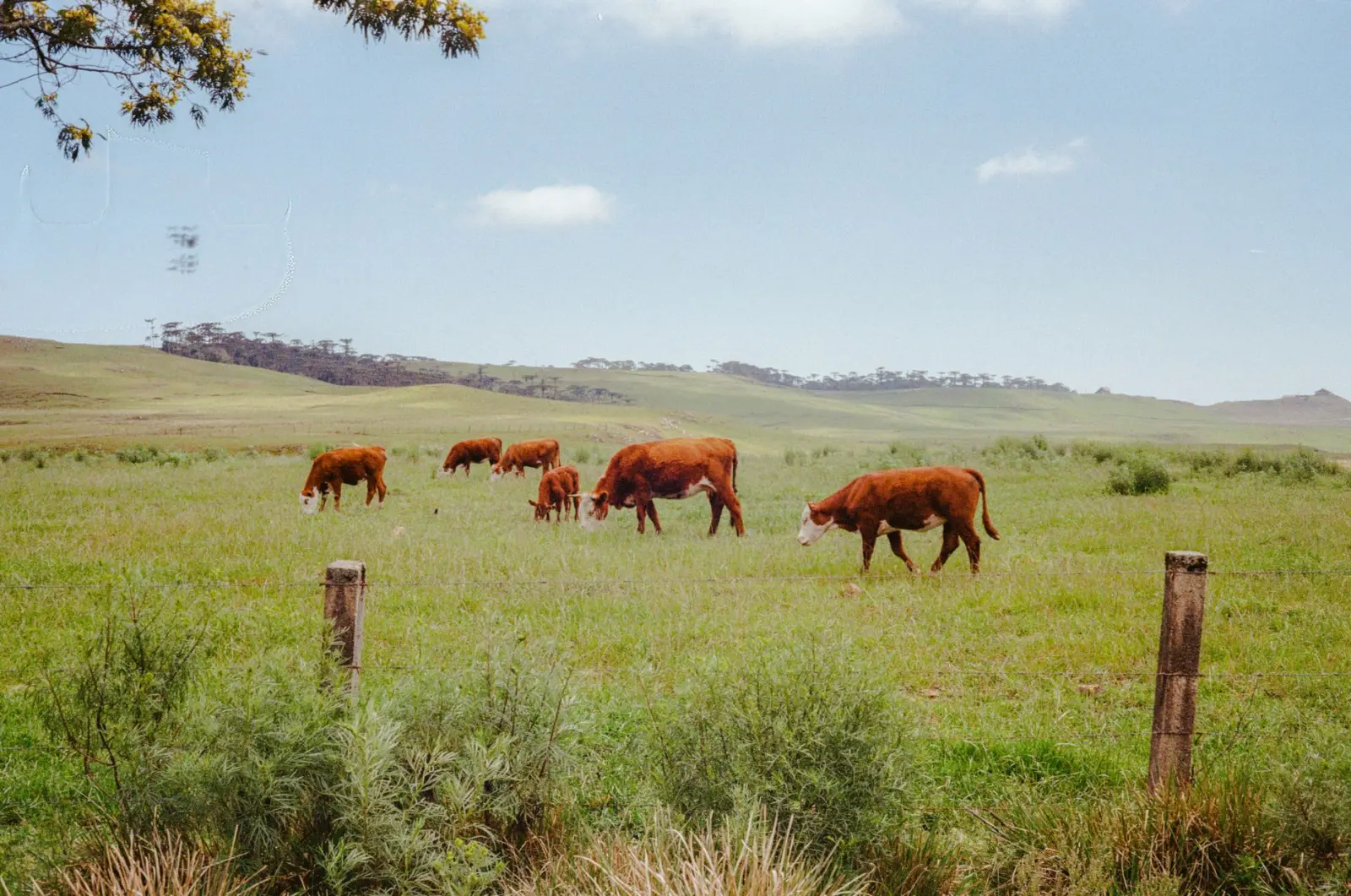
When you look at where Australia’s methane really comes from, livestock dominates the picture. Cattle and sheep produce methane through enteric fermentation, a digestive process that releases the gas as they graze across millions of hectares. This isn’t a small contributor. Agriculture accounts for roughly half of Australia’s total methane emissions, and most of that comes straight from ruminant animals. The sheer scale makes it both obvious and complicated – you can’t simply remove livestock from the Australian landscape without dismantling an entire economic and cultural system.
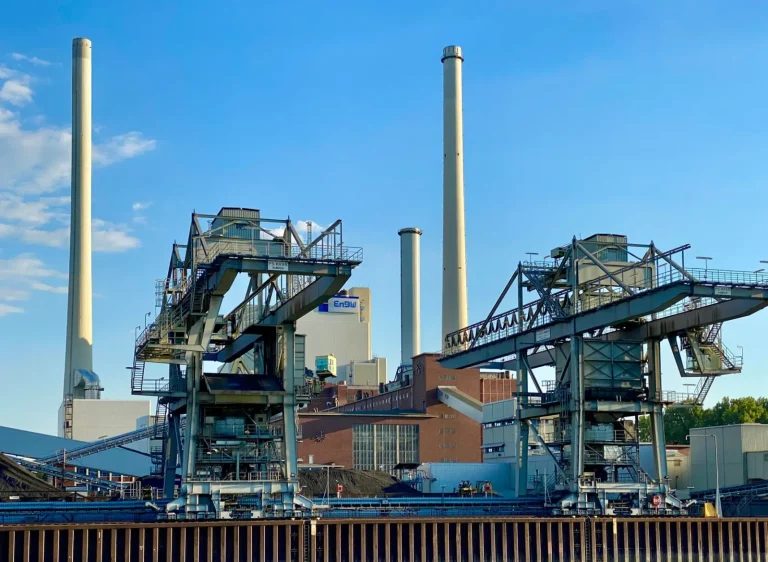
Coal mining represents the second major source, particularly in Queensland and New South Wales. Coal seams contain trapped methane, and as miners extract coal, that methane escapes. Underground mining operations release it during extraction, while open-cut mines expose seams that vent directly to the atmosphere. The gas itself has value – some operations capture it for energy – but capture rates vary widely depending on the mine’s age, design, and investment in technology. Older operations tend to be less efficient at containment, and retrofitting isn’t always economically justified when coal prices fluctuate.
Why Agricultural Solutions Move Slowly
The livestock sector presents a particular challenge because the solutions aren’t straightforward. Feed additives that reduce methane in cattle exist, but they require consistent application, ongoing costs, and farmer adoption. I’ve seen pilot programs where methane reduction worked in controlled settings, then faltered when scaled to commercial farms. The economics don’t always align. A farmer managing thin margins on cattle production isn’t eager to add another input cost unless the return is immediate and visible.
Breeding for lower-methane animals is happening, but generational change is slow. Genetic improvement in livestock takes years, and the trait for lower methane production isn’t always compatible with other desirable characteristics like meat quality or milk yield. Pasture management and rotational grazing can help, but they require labor, planning, and land availability that not all operations possess equally. The reality is that most Australian farms are spread across vast distances with variable terrain and water availability. What works on a well-managed property in Victoria may not translate to a drought-prone region in inland New South Wales.
Mining Emissions and Capture Economics
Coal mining methane is technically more manageable than agricultural emissions, yet progress has been uneven. Ventilation methane – the gas released during mining operations – can be captured and used for power generation or heating. Some mines do this effectively. Others treat it as a nuisance gas to be vented safely rather than an asset to be recovered. The decision hinges on whether the cost of capture infrastructure and maintenance makes sense against current energy prices and the mine’s remaining operational life.
Abandoned and legacy coal mines present a different problem. They continue to emit methane long after mining stops, but there’s often no responsible party actively managing emissions from closed sites. The financial incentive to cap or monitor these sites is low, especially if the mine operator has ceased operations or the property has changed hands multiple times. I’ve observed sites where methane simply vents into the atmosphere with minimal oversight because the regulatory framework doesn’t always catch up with changing ownership or operational status.
Waste and Landfill Contributions
Landfill methane is the third significant source, though smaller than agriculture and mining. Organic waste decomposing in landfills produces methane, and while many modern facilities have gas collection systems, older landfills and poorly managed sites don’t. The gas can be captured and burned for energy, which reduces atmospheric impact, but capture depends on infrastructure investment and ongoing maintenance. Some landfills have profitable energy operations. Others treat gas capture as a regulatory compliance cost rather than a revenue opportunity.
Wastewater treatment plants also contribute, though the volumes are smaller. Anaerobic digesters that process sludge can be designed to capture biogas, but again, this requires capital investment and operational expertise. Smaller treatment plants sometimes lack the resources to implement full capture systems, so methane escapes during processing.
The Real Constraints on Solutions
What I’ve consistently observed is that the barriers to reducing methane aren’t primarily technical. The technology exists. What actually slows progress is a combination of economics, incentive misalignment, and the sheer complexity of coordinating change across dispersed industries.
In agriculture, farmers respond to commodity prices and input costs far more directly than to environmental targets set by government or industry groups. If reducing methane requires spending money without a clear financial return, adoption remains low. Voluntary programs work for early adopters, but scaling requires either regulatory mandates or market mechanisms that make the low-methane option economically competitive.
In mining, the business case for methane capture depends on energy prices and the remaining life of the operation. A mine with five years left isn’t likely to invest in a ten-year payback project. Regulatory requirements can force the issue, but enforcement varies across states and changes with political priorities. Abandoned mines fall into regulatory gaps where responsibility is unclear and financial incentives are absent.
Landfill and wastewater management face similar dynamics. Smaller operations often lack the scale to justify full capture infrastructure. Larger facilities may have the economics to work, but only if energy prices support it or regulations require it.
What Actually Moves the Needle
The most effective drivers I’ve seen are regulatory standards combined with market mechanisms. When governments mandate methane reporting and set reduction targets, behavior changes. When carbon pricing or emissions trading schemes make low-methane options financially attractive, adoption accelerates. But these policies need to be stable and credible. Farmers and mining companies make long-term investments based on policy expectations. Frequent policy shifts create uncertainty and slow action.
Research into methane-reducing feed additives, selective breeding, and improved mining capture technology continues, and some of it is genuinely promising. But research doesn’t automatically translate to adoption. The gap between what’s technically possible and what gets implemented at scale is where most solutions stall.
Australia’s methane problem isn’t unsolvable, but it’s also not a simple matter of applying known solutions. It requires sustained policy commitment, economic incentives that align with environmental goals, and willingness to accept gradual change across industries that are often resistant to disruption. The sources are clear. The constraints are real. Progress depends less on discovering new solutions and more on creating the conditions where existing ones become economically rational to implement.