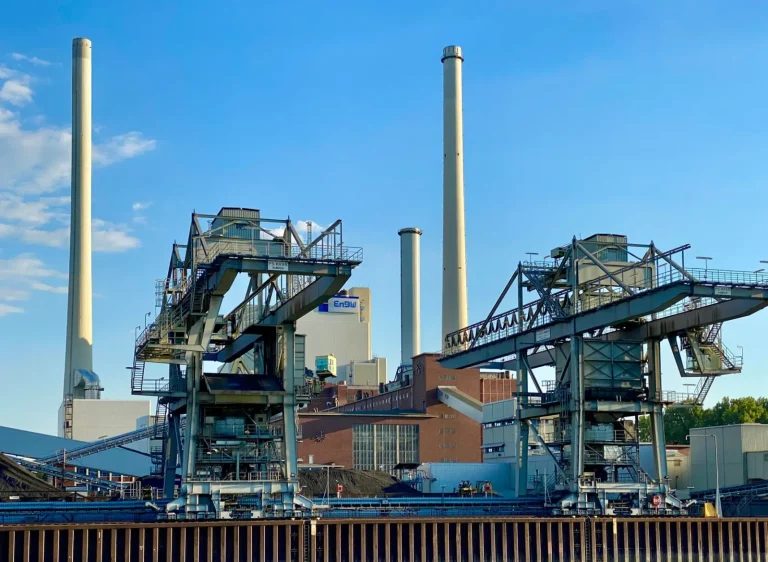

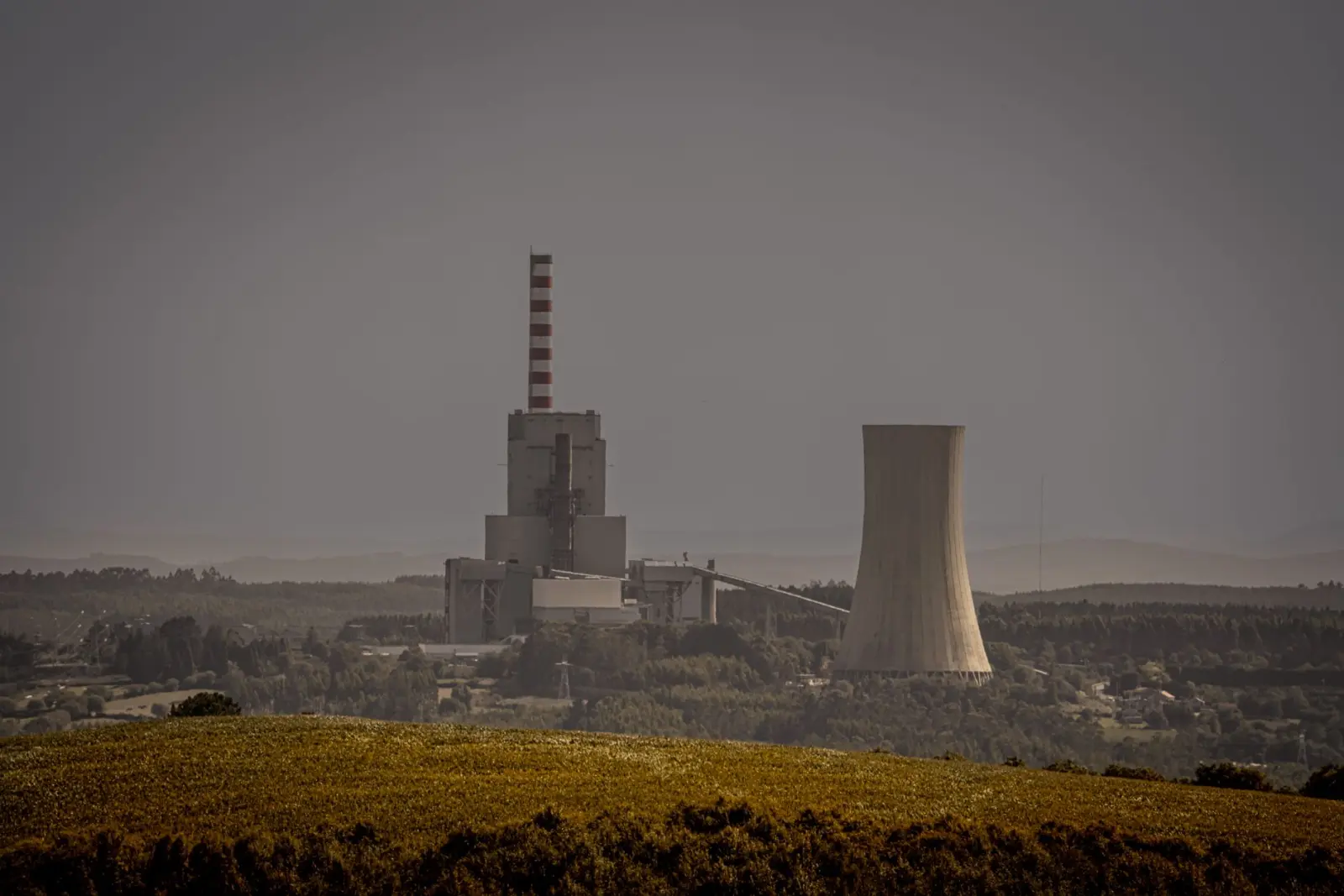
Australia’s coal-fired power stations have been part of the industrial landscape for over a century. I’ve watched these facilities operate across multiple states, and what strikes me most is how differently people perceive their future depending on where they stand. Policymakers talk about timelines. Engineers talk about asset life. Communities talk about jobs. All three perspectives matter, but they rarely align neatly.
The reality is messier than headlines suggest. Coal plants don’t simply switch off on a predetermined date. They’re massive, interconnected infrastructure assets embedded in regional economies, transmission networks, and workforce ecosystems. Understanding what’s actually unfolding requires looking at the physical plants themselves, the grid they support, and the practical constraints that govern how quickly change can occur.
The Physical State of Aging Coal Assets
Most of Australia’s operating coal-fired power stations were built between the 1960s and 1990s. That means the majority are now 30 to 60 years old. I’ve toured enough of these facilities to know that age alone doesn’t determine when a plant closes. What matters is the condition of critical components and the cost of maintaining them.
Coal boilers, turbines, and condensers degrade predictably. Tube corrosion accelerates. Bearing wear increases. Unplanned shutdowns become more frequent. The economics shift not because the fuel costs more, but because the plant spends more time offline and requires more capital to keep running. A plant that operated at 85 percent capacity factor in its second decade might operate at 60 percent in its fifth decade. That’s not a policy decision – it’s thermodynamics and metallurgy.
Several major stations have already closed. Hazelwood in Victoria shut down in 2017. Liddell in New South Wales followed in 2022. Both were announced years in advance, yet the transition still created genuine disruption in their regions. Remaining plants like Callide, Eraring, and Vales Point are operating, but their owners have publicly acknowledged they’re managing aging assets in a market that’s increasingly hostile to their operation.
Grid Stability and Replacement Timing
Here’s what gets underestimated in most discussions: coal plants don’t just generate electricity. They provide synchronous inertia and frequency support that keeps the grid stable. When you remove a 500-megawatt coal station, you can’t simply plug in a solar farm of the same capacity and expect the grid to behave identically. The physics is different.
This is why the transition timeline matters so much. Rapid coal closures without adequate synchronous generation replacement or grid-scale battery storage can create genuine stability risks. I’ve seen this play out in real time. South Australia experienced significant grid stress when coal and gas capacity was retired faster than replacement infrastructure was built. The solution involved expensive emergency measures and accelerated investment in synchronous condensers and battery systems.
The National Electricity Market operator has been explicit about this. You can’t simply retire coal plants on a political schedule. You need replacement capacity – whether that’s renewables, storage, or conventional generation – already operational or in advanced construction. This creates a hard constraint on how quickly the transition can physically occur, independent of policy preferences.
Investment and Ownership Realities
Coal plants are capital-intensive assets. Owners have invested billions and expect returns over decades. When the market environment shifts, they face a choice: continue operating an aging asset in a declining market, or retire it early and absorb the loss. Neither option is appealing.
Some operators have taken the path of extending plant life through capital investment. Others have announced retirement dates and begun transitioning. The variation reflects different corporate strategies, different remaining asset life, and different views on how long coal demand will persist. A plant with strong balance sheet backing can absorb losses longer than one that’s already been written down.
What I’ve observed is that owners don’t make these decisions in isolation. They’re influenced by policy signals, electricity market prices, renewable energy penetration rates, and their own portfolio mix. A company with diversified generation assets can retire coal more easily than one that’s coal-dependent. A company facing regulatory pressure to exit coal faces different incentives than one operating in a jurisdiction with less policy clarity.
Regional Employment and Infrastructure
Coal stations employ hundreds of people directly and support thousands more in supply chains and local communities. When a plant closes, those jobs don’t simply migrate to renewable energy projects. The skill sets are different. The geographic distribution is different. A coal plant in the Hunter Valley employed miners, plant operators, and maintenance workers across a concentrated region. A distributed solar and wind deployment across the same region creates different work patterns and different skill requirements.
I’ve seen closure announcements create genuine hardship. Communities that built themselves around a single major employer face real economic disruption. Some have managed transitions reasonably well through diversification efforts and retraining programs. Others have struggled. The speed of closure matters enormously to whether communities can adapt.
This is why several state governments have negotiated extended operating periods for coal plants. It’s not primarily about energy policy – it’s about managing regional economic transition. A plant that might otherwise close in 2025 might operate until 2030 or 2035 if the social and economic case for extension is strong enough.
What the Next Decade Likely Looks Like
Based on current trajectories and announced timelines, Australia’s coal fleet will shrink significantly but not disappear by 2035. Some plants will close due to age and economics. Others will be extended. New capacity – primarily wind, solar, and battery storage – will expand rapidly. The mix will vary by region.
New South Wales and Victoria will likely see the most dramatic change, with coal capacity declining substantially while renewable capacity grows. Queensland’s coal fleet may persist longer, given the state’s economic dependence on coal export and generation. South Australia, which has already transitioned furthest, will continue as a testing ground for high-renewable grids.
The grid itself will need to evolve. More synchronous condensers, more battery storage, more demand management, and potentially more interconnection between states will become necessary infrastructure. These aren’t optional – they’re physical requirements for a grid with less synchronous generation.
What won’t happen is an orderly, synchronized shutdown of Australia’s coal fleet. Some plants will close early. Others will operate longer than currently expected. Some will be mothballed and potentially restarted if circumstances change. The transition will be uneven, sometimes frustrating, and driven by a combination of economics, policy, grid requirements, and regional circumstances rather than by any single master plan.