
After years of installing and servicing air conditioning systems across Australia, I’ve noticed that most people approach the choice backwards. They walk into a showroom, see a unit that looks sleek, check the price tag, and assume that’s the hard part done. Then reality sets in – either the system barely keeps up during a heat wave, or the electricity bill arrives and they realise they’ve bought something far more powerful than they actually need.
The Australian climate is genuinely demanding. Summer temperatures vary wildly depending on where you live. A home in Sydney faces different cooling demands than one in Perth or Brisbane, and even within the same city, a weathered fibro house with poor insulation will need something entirely different from a modern, well-sealed apartment. This is where most people stumble. They buy based on brand reputation or a salesman’s recommendation without considering what their specific space actually requires.
Energy efficiency ratings matter, but they’re not the whole story. An air conditioner with a stellar SEER rating (Seasonal Energy Efficiency Ratio) will perform well under test conditions, but how it performs in your home depends on installation quality, ductwork design, thermostat settings, and whether your house is properly sealed. I’ve seen expensive, highly-rated units underperform in poorly insulated homes, and I’ve seen modest systems work brilliantly in well-maintained spaces.
Sizing is the Foundation
Getting the capacity right is the single most important decision. Too small, and the unit runs constantly during peak heat, consuming more energy and wearing out faster. Too large, and it cycles on and off rapidly, which wastes electricity and fails to dehumidify properly. In Australia’s humid climates – particularly along the coast – that dehumidification matters more than people realise. A properly sized system removes moisture steadily; an oversized one cools quickly but leaves the air feeling clammy.
Sizing depends on several factors working together. The square footage of the space is a starting point, but insulation quality, window orientation, local climate zone, and the number of people typically in the home all shift the calculation. A north-facing lounge room in Brisbane needs more capacity than a south-facing one. A home with single-glazed windows and no ceiling insulation needs more cooling than a modern build with double glazing and proper thermal barriers. A professional load calculation takes these into account; a rough rule of thumb does not.
I’ve encountered plenty of homes where the previous owner installed a unit based on a salesman’s quick estimate, and it was either wildly oversized or underpowered. When you’re replacing an existing system, resist the temptation to just match the old capacity. Building standards have changed, insulation practices have improved, and your actual usage patterns may differ from the previous owner’s.
Understanding Efficiency Ratings in Practice
Australia uses the SEER rating system for air conditioners, measured on a scale where higher numbers mean better efficiency. A unit rated 3.5 SEER is decent; 5.0 or above is genuinely efficient. But that rating assumes specific outdoor and indoor temperatures, humidity levels, and usage patterns. Real-world performance varies. In peak summer, when outdoor temperatures exceed 40 degrees Celsius, even high-efficiency units work harder and consume more power than their rating suggests.
The inverter technology in modern systems is where efficiency gains actually happen. Inverter-equipped units vary their compressor speed rather than running at full capacity or shutting off entirely. This means they maintain your set temperature more smoothly and consume less energy overall. If you’re comparing two units with similar SEER ratings, the one with inverter technology will almost certainly perform better in your home. It’s not flashy, but it’s the real difference-maker.
Seasonal variation matters too. A system might be efficient during mild spring weather but less so during brutal summer heat. In Australia, your cooling season is long and intense, so choosing a unit with solid mid-to-high range efficiency is more important than chasing the absolute highest rating. A 5.0 SEER unit running for eight months is better than a 6.0 SEER unit that’s harder to source or maintain.
Installation Quality Trumps Everything
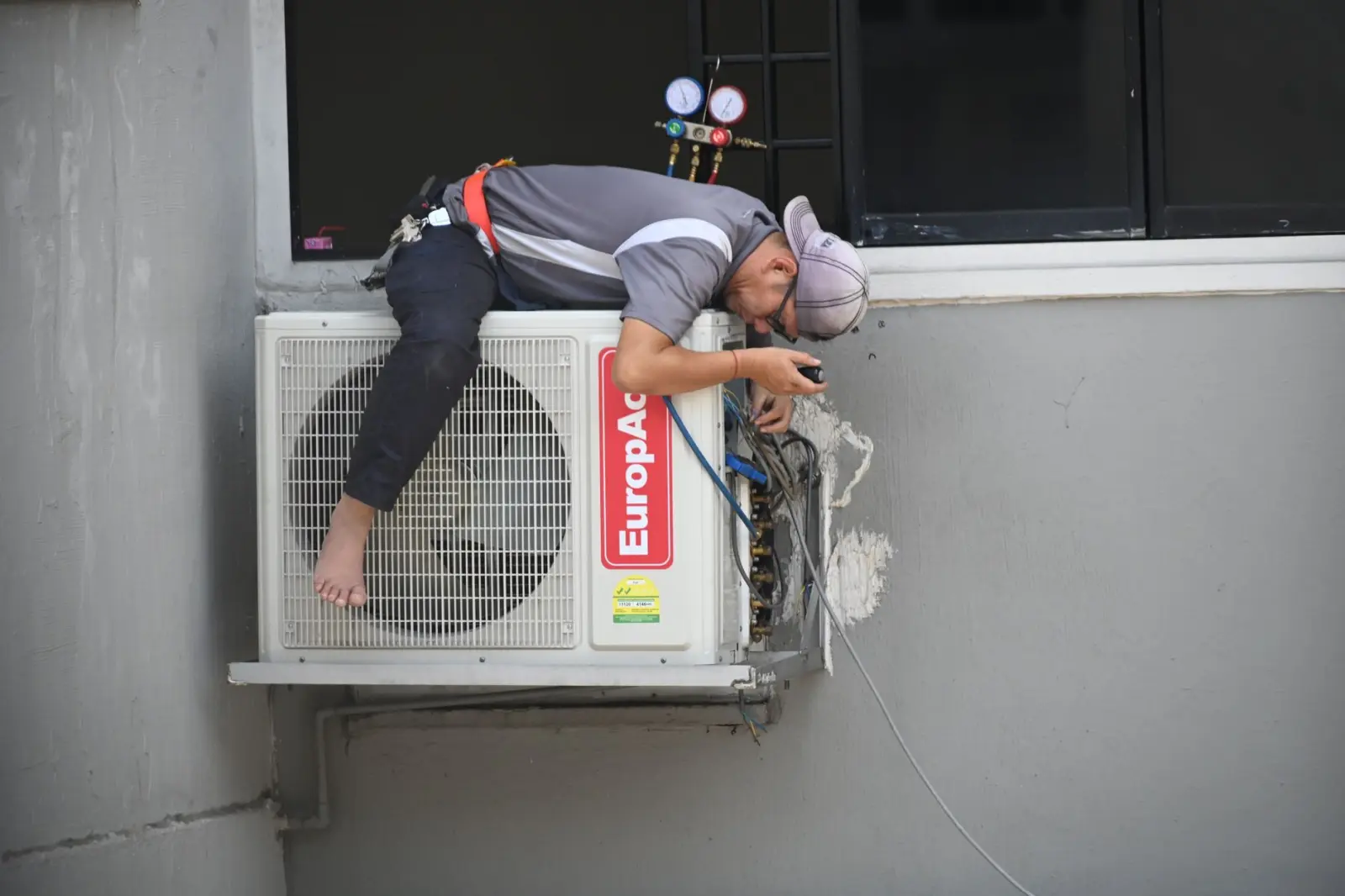
I’ve seen expensive, efficient systems perform poorly because they were installed poorly, and I’ve seen modest systems work beautifully because the installer knew what they were doing. Refrigerant charge, ductwork sealing, thermostat placement, and proper airflow all matter enormously. If the refrigerant charge is off by even a small amount, efficiency drops noticeably. If ducts are leaky or undersized, the system has to work harder to deliver cooling to distant rooms.
Choosing a qualified installer is as important as choosing the unit itself. Look for technicians with proper licensing, years of experience in residential work, and a track record in your local area. They should conduct a proper load calculation, inspect your existing ductwork or design new ducting, and explain how the system will be configured. If someone quotes you a job in under an hour and doesn’t ask detailed questions about your home, that’s a red flag.
Maintenance and Long-Term Reliability
An air conditioner that’s well-maintained will run efficiently and last longer. Annual servicing – cleaning filters, checking refrigerant levels, inspecting electrical connections – keeps everything running smoothly. Neglected systems deteriorate quickly. I’ve seen units that were only five years old performing like ten-year-old systems because the filters were clogged and the condenser was covered in dust.
Brand reliability varies, and some manufacturers have stronger service networks across Australia than others. Parts availability and technician familiarity matter when something goes wrong. A lesser-known brand might be cheaper upfront, but if you need a replacement compressor in three years and no local technician stocks parts for it, you’ll regret the decision.
The warranty offered by the manufacturer and installer also signals confidence. Most reputable units come with five to ten years of compressor warranty. Some installers offer extended warranties on labour. These aren’t trivial – they protect you if something fails unexpectedly.
Type of System Matters for Your Space
Split systems (one outdoor unit, one or more indoor heads) are the most common choice for Australian homes. They’re efficient, flexible, and relatively straightforward to install. Ducted systems work well for larger homes or those with existing ductwork, but they’re more expensive and require proper design to avoid hot and cold spots. Window units are cheaper but less efficient and noisier. Portable units are convenient for renters but consume significantly more energy than fixed installations.
For most Australian homes, a split system or ducted system makes sense. If you’re in a rental or temporary situation, a window or portable unit is acceptable, but understand you’re trading efficiency for flexibility. The running costs will be higher.
Choosing an air conditioner that actually suits your home and climate is less about finding the “best” unit and more about finding the right match between your space, your cooling needs, your budget, and the quality of installation available to you. It’s a decision that pays dividends over years of use. Take time to understand what you actually need, get multiple quotes from qualified installers, and don’t let marketing or price alone drive the choice.