
Over the past decade, I’ve watched Australia’s energy landscape transform in ways that go well beyond the headline statistics about megawatts and carbon targets. The shift toward clean energy isn’t abstract policy – it’s concrete cranes on the horizon, new training programs filling up, and entire supply chains reorganizing themselves. The economic opportunities aren’t evenly distributed, and they’re not always where people expect them to be.
What strikes me most is how quickly the market has moved from debate to deployment. Five years ago, renewable energy projects were still fighting for financing and grid access. Now, the constraint isn’t whether projects will get built – it’s whether we have enough skilled workers, manufacturing capacity, and grid infrastructure to keep pace. That shift changes everything about where money flows and who benefits.
The Scale of Capital Movement
Australia is attracting billions in investment for renewable energy infrastructure, and this isn’t speculative venture capital. Major energy companies, infrastructure funds, and international investors are committing serious money to solar farms, wind installations, battery storage, and grid upgrades. The Australian Renewable Energy Agency and various state government schemes have helped de-risk early projects, but the momentum now comes from returns and market confidence.
What’s less visible is where this capital concentrates. It tends to flow toward projects with clear offtake agreements, established supply chains, and proximity to existing grid infrastructure. Regional areas with good wind or solar resources but limited transmission capacity often miss out on the first wave of investment. The economic opportunity exists, but accessing it requires solving infrastructure bottlenecks that aren’t always obvious from a distance.
I’ve seen projects stall for months because connecting to the grid required upgrades that weren’t funded or prioritized. That’s not a technical problem – it’s an economic one. The developers have capital, the site is suitable, but the grid connection cost or timeline makes the project unviable. This is changing as governments invest in transmission, but the lag creates real winners and losers in different regions.
Manufacturing and Supply Chain Opportunities
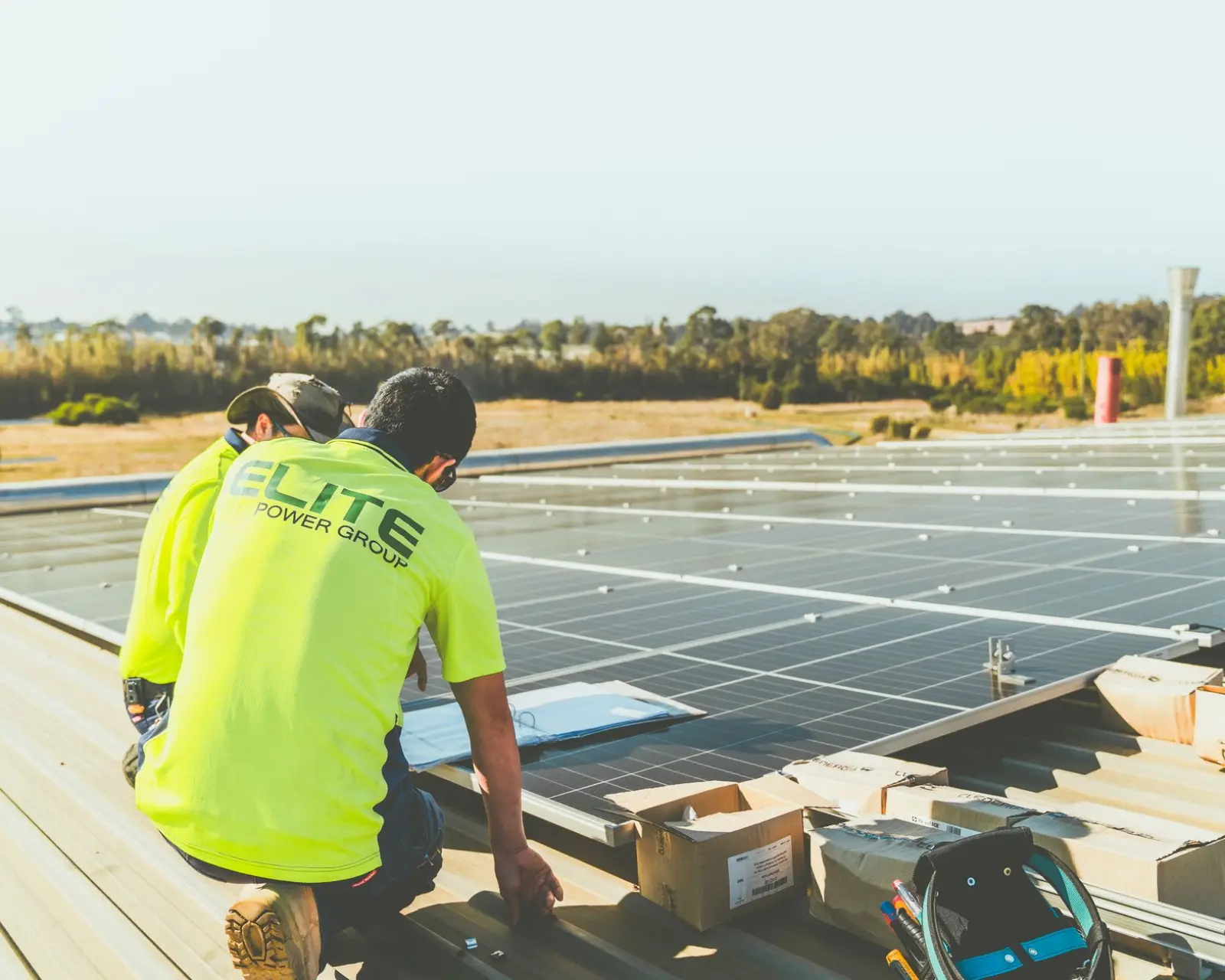
One of the most underestimated economic shifts is the growth in local manufacturing and component supply. Australia doesn’t manufacture solar panels at scale, and that’s unlikely to change soon given global competition. But the demand for mounting systems, inverters, electrical components, and installation services has created genuine manufacturing opportunities. Steel fabricators, electrical component suppliers, and specialized installers are finding steady work that didn’t exist a decade ago.
The battery storage sector is particularly interesting. As grid-scale battery projects proliferate, there’s growing demand for locally-made components and services. Some companies have moved into this space deliberately, retooling production lines or establishing new facilities. Others have simply found that their existing manufacturing capability – metal fabrication, electrical assembly, industrial installation – now has a clear and growing market.
What’s changed the economics is volume and predictability. When renewable energy was a niche market, supply chains were inefficient and prices were high. Now, with hundreds of projects in various stages of development, suppliers can invest in automation and scale. That reduces costs, improves quality, and creates more stable employment. It’s a textbook example of how transitional industries create opportunity when they reach critical mass.
Skills Training and Employment Pathways
The demand for skilled trades in renewable energy installation, maintenance, and grid work has outpaced supply in most regions. Electricians, welders, civil construction workers, and equipment technicians are needed across the sector. Vocational training providers have responded by developing renewable energy-specific qualifications, and many are at capacity. This is straightforward economic opportunity – there’s genuine labor shortage, which means higher wages and job security for people entering these fields.
What I’ve observed is that the best opportunities aren’t in the installation phase alone. Once a solar farm or wind installation is operational, it needs ongoing maintenance, monitoring, and occasional repairs. These are permanent, local jobs that can’t be outsourced. A technician trained in solar system maintenance or wind turbine inspection has skills that are increasingly valuable and geographically diverse – projects exist across the country.
The challenge is that training capacity hasn’t kept pace with demand. Some regions have invested heavily in renewable energy training programs; others haven’t. This creates geographic variation in employment outcomes. A person in a region with strong training infrastructure and multiple projects has clearer pathways than someone in an area where the transition is slower or less visible.
Grid Infrastructure and Regional Development
The upgrade and expansion of electricity transmission infrastructure is one of the largest economic opportunities, though it’s often overlooked. Moving renewable energy from where it’s generated to where it’s consumed requires new transmission lines, substations, and control systems. This is capital-intensive work that employs construction workers, engineers, and project managers for years.
I’ve seen entire regional economies shift around major transmission projects. A new high-voltage line or interconnector brings construction spending, creates local supply opportunities, and often leads to downstream industrial development. Businesses locate near reliable, affordable renewable energy. Data centers, manufacturing facilities, and other energy-intensive operations are increasingly choosing sites based on proximity to renewable generation and grid capacity.
This creates a feedback loop. Investment in transmission infrastructure enables more renewable generation projects, which attracts energy-intensive industry, which justifies further grid investment. The regions that benefit most are those that position themselves early – developing workforce capacity, streamlining approvals, and investing in local infrastructure that supports both energy projects and the industries they attract.
Export Opportunities and Advanced Manufacturing
Australia’s renewable energy transition also creates opportunities in export markets. The country has developed expertise in project development, installation, and operation that is valuable in other markets. Engineering firms, construction companies, and technology providers are increasingly exporting services and knowledge to Southeast Asia, the Pacific, and beyond.
There’s also potential in advanced manufacturing related to clean energy. Battery technology, hydrogen production equipment, and energy storage systems are areas where Australian companies have competitive advantages or are developing them. These aren’t mass-market consumer goods – they’re specialized, high-value products and services. The market is smaller than solar panel manufacturing, but the margins are better and the employment per unit is higher.
What tends to happen is that companies that start by serving the domestic market develop expertise and relationships that open export doors. A contractor that has installed hundreds of solar systems in Australia has the knowledge and track record to bid on larger projects elsewhere. That’s how transition opportunities compound – local success creates regional competitive advantage.
The economic reality of Australia’s clean energy transition is that it’s creating genuine opportunities, but they’re not distributed evenly and they’re not automatic. Regions with existing industrial capacity, skilled workforces, and supportive infrastructure are capturing disproportionate benefits. Areas that are slower to develop these foundations are missing out. The window for positioning isn’t infinite – once supply chains and investment patterns solidify, it becomes harder for new regions to break in. That’s not a criticism of the transition itself, but rather an observation about how economic change actually works. The opportunity is real, but it requires deliberate action at regional and local levels to capture it.