

Over the past decade, I’ve watched the conversation around climate and housing shift from abstract concern to something tangible. People aren’t just talking about moving anymore – they’re actually doing it. In Australia, the patterns are becoming clearer each year, though they’re messier and more localized than most national headlines suggest. The movement isn’t uniform, and it’s not always driven by a single climate event. It’s driven by accumulated risk, insurance costs, water availability, and the simple calculation that some places are becoming harder to live in.
The reality I’ve observed is that climate migration in Australia operates differently than it does in other countries. We’re not seeing mass evacuations or dramatic abandonment of entire regions. Instead, we’re seeing a slow-motion reshuffling of where people choose to buy property, where they’re willing to work, and which areas are becoming less attractive to newcomers. Coastal properties in high-risk zones are experiencing stalled demand. Regional towns with reliable water and lower flood risk are seeing genuine interest. Some of this is visible in real estate data; much of it happens quietly through conversations with agents, insurance assessors, and people making quiet decisions about where to invest their retirement savings.
The Coastal Question
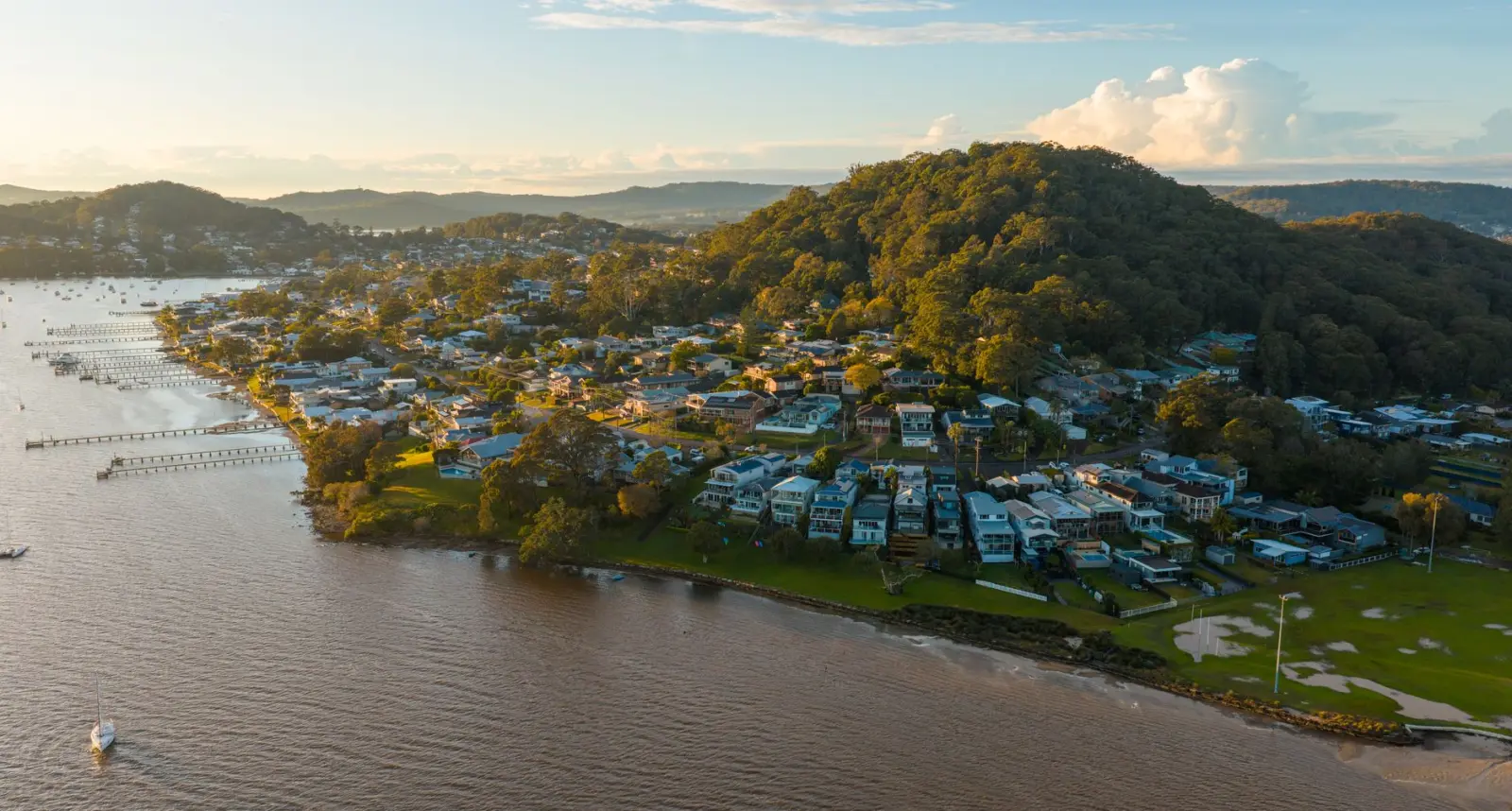
Australia’s coastal regions have always been where people want to live. The beaches, the lifestyle, the proximity to employment centers – these pull factors are still there. But they’re now competing against a growing list of climate-related friction points. In areas I’ve worked in, particularly along the New South Wales and Queensland coasts, I’ve seen insurance premiums climb significantly for properties in flood-prone zones. Flood insurance that was once a minor line item on a property settlement has become a genuine cost consideration. Some insurers have withdrawn from certain postcodes entirely. This creates a peculiar situation where a property might be perfectly sound structurally, but insurable risk has fundamentally changed.
Coastal erosion adds another layer. Properties that were considered prime real estate five years ago are now closer to the shoreline than anyone is comfortable with. I’ve seen properties in erosion-prone areas become difficult to sell, not because they’re poor quality, but because the future liability is uncertain. Banks are becoming more cautious about lending on properties in high-erosion zones. This isn’t dramatic overnight change – it’s the slow tightening of financing options and the gradual recognition that some coastal addresses carry risks that weren’t priced in before.
Where People Are Actually Moving
The movement I’m observing isn’t random. People moving away from high-risk coastal areas aren’t necessarily heading inland to small towns. Many are relocating to secondary cities and regional centers that offer a balance: better climate resilience, still reasonable employment prospects, and lower property costs. Brisbane has seen genuine migration pressure from Sydney. Canberra attracts people seeking stability and lower flood risk. Smaller cities like Hobart and Adelaide are drawing interest from those willing to trade some coastal convenience for climate security.
Within these destinations, the pattern is revealing. People aren’t just looking for cheaper housing – they’re actively considering water security, flood history, and future climate projections. I’ve had conversations with people relocating who’ve spent more time researching historical flood maps and water availability than they spent looking at the actual house. This represents a genuine shift in how people evaluate property. A decade ago, these factors barely registered in the decision-making process. Now they’re often primary considerations.
Rural and agricultural areas are experiencing a peculiar dual pressure. Some regions are becoming more attractive as climate refuges – areas with reliable rainfall and lower flood risk. But these same areas are also facing pressure from agricultural viability questions. A property might be safer from flooding but increasingly marginal for farming. This creates a complex situation where climate migration isn’t simply about people moving to “safer” places, but about finding places where the specific climate risks align with their ability to live and work.
The Infrastructure and Services Reality
What I’ve consistently found is that climate migration doesn’t happen in isolation from infrastructure and services. People can’t simply move to a climatically safer area if that area lacks employment, healthcare, education, or reliable utilities. This is where the migration pattern becomes constrained. Regional towns with excellent climate resilience but limited job markets don’t see the influx that the climate argument alone would predict. Conversely, secondary cities with both climate advantages and functional employment markets see genuine pressure.
Water security is a critical but often understated factor. In areas where water restrictions have become regular, where bore water is unreliable, or where water costs are climbing, I’ve observed people making deliberate decisions to relocate. This isn’t always about dramatic drought – it’s about the compounding inconvenience and cost of water management in water-stressed regions. A property might be perfectly habitable, but the administrative and financial burden of managing water use gradually shifts the calculus toward relocation.
What the Data Actually Shows
Property transaction data tells a partial story. Coastal property markets in high-risk areas are showing slower growth than comparable inland properties. Premiums for properties in flood-prone postcodes have compressed relative to safer areas. But this data is blunt – it doesn’t capture the people who decided not to move to the coast in the first place, or those who chose to stay despite the risks. The real migration is happening at the margin: in the decisions of people choosing between two properties, or deciding whether to relocate for a job.
Insurance data is often more revealing than real estate data. Postcode-level insurance costs tell you where risk is being repriced. Areas with rising premiums and shrinking insurer participation are experiencing genuine climate migration pressure, even if property prices haven’t yet adjusted. This lag between risk recognition and price adjustment creates a window where the actual migration is happening before it becomes visible in headline property statistics.
What I’ve observed is that climate migration in Australia is real but gradual. It’s not producing headlines about mass exodus, but it is producing steady, measurable shifts in where people choose to live and where they’re willing to invest. The movement is constrained by employment, services, and the simple fact that most people have deep social and professional roots that can’t be relocated easily. But the direction is clear: away from the highest-risk coastal and drought-stressed areas, toward secondary cities and regional centers that offer both climate resilience and functional liveability. This pattern will likely accelerate as climate impacts become more frequent and insurance markets continue to reprice risk more accurately.