
Over the past five years, I’ve watched Australia’s electrical infrastructure come under genuine strain. It’s not dramatic or sudden – it’s the kind of slow-building pressure that reveals itself in conversations with electricians, in delayed connection timelines, and in the quiet frustration of homeowners trying to install solar systems or charge electric vehicles in suburbs that seemed perfectly ordinary a decade ago.
The core issue isn’t mysterious. Australia’s power distribution network was built for a different era. The poles, transformers, and underground cables that feed most suburbs were designed with a specific load profile in mind: refrigerators, air conditioning, electric hot water systems, and the occasional pool pump. Nobody planned for a scenario where half the street would be drawing 7 to 10 kilowatts simultaneously to charge vehicles, heat water with a heat pump, and run air conditioning on a hot afternoon while feeding excess solar back into the grid.
What I’ve observed firsthand is that the problem isn’t uniform. Some areas have adequate capacity. Others hit limits almost immediately. A new subdivision in Brisbane might have modern infrastructure that can handle electrification without much fuss. But an established suburb in Melbourne or Sydney – the kind with mature trees, older housing stock, and infrastructure installed in the 1970s and 1980s – often runs into real constraints.
Where the Bottlenecks Actually Occur
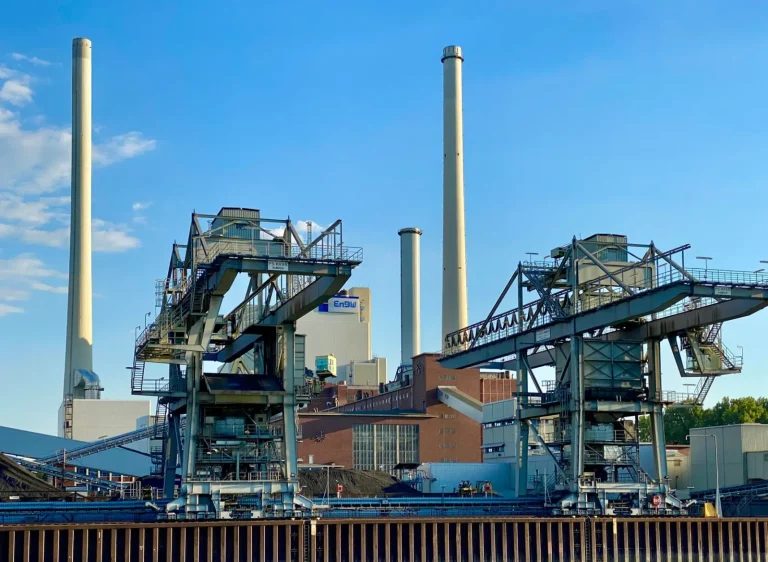
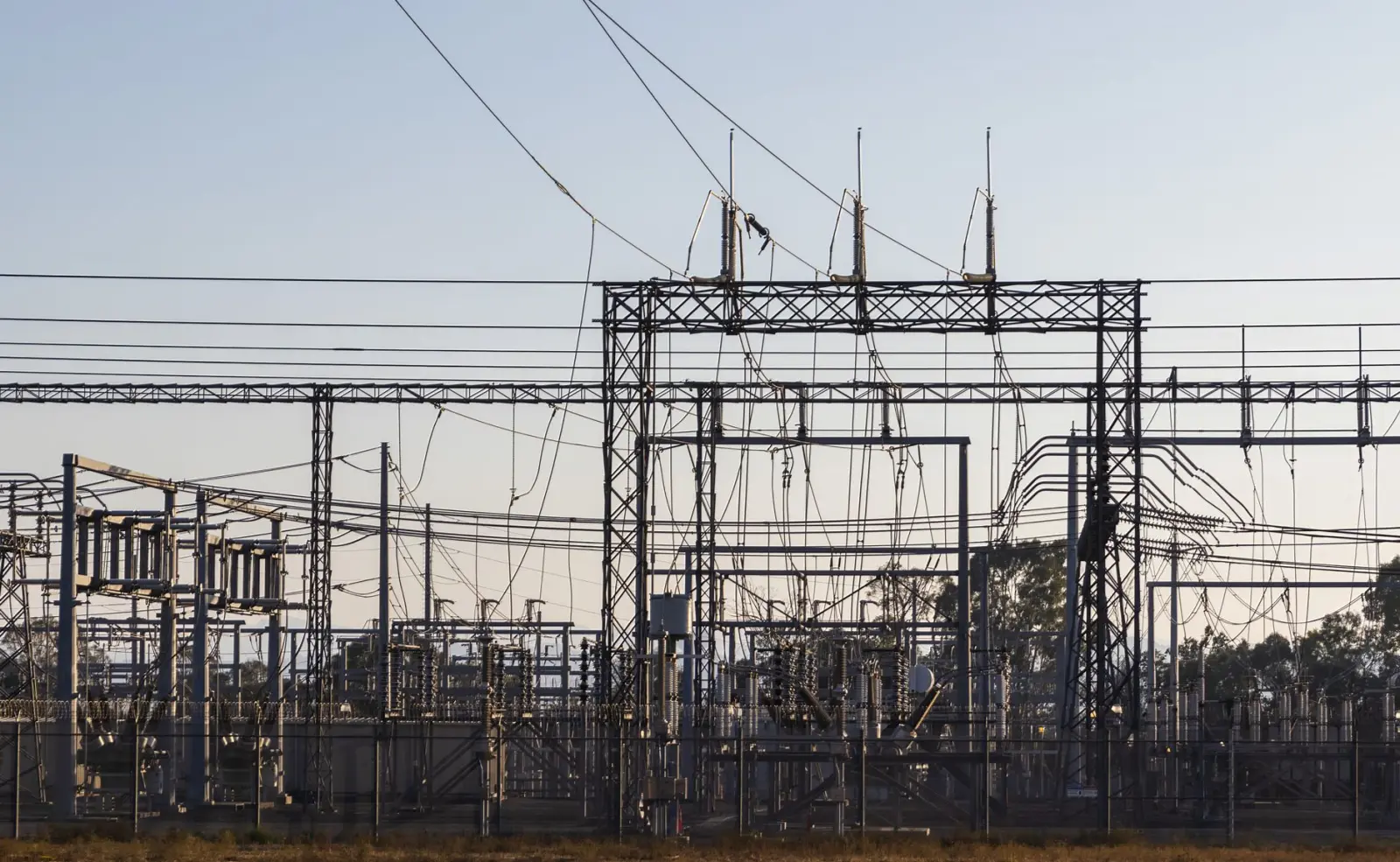
The distribution network operates in layers. At the top, transmission lines carry power from power stations across long distances. Below that, substations step voltage down for regional distribution. Then come the local transformers – the cylindrical metal boxes mounted on poles or sitting in concrete pads near streets. From there, individual cables run to homes.
The weak points tend to emerge at the local transformer level. A single transformer serves maybe 10 to 40 homes, depending on the area. When demand spikes – say, five households all charging EVs at 7 pm while it’s still 35 degrees and air conditioners are running – that transformer can hit its thermal limit. It doesn’t fail catastrophically. Instead, it starts to degrade faster, voltage drops slightly, and the network becomes less stable.
I’ve seen this happen in real time. A homeowner installs a 10 kW solar system and a 7 kW EV charger, expecting no issues because their home is connected to the grid. But the local transformer is already at 85 percent capacity. The solar system works fine on sunny days, but the charger can’t run at full power without causing voltage issues for neighbors. The solution then requires either upgrading the transformer or limiting the charger’s output – both expensive, both slow.
Underground cables present a different challenge. They’re harder to upgrade than overhead lines, and they degrade in ways that aren’t always visible until failure occurs. Heat buildup in cables during peak demand accelerates aging. In some areas, particularly older inner suburbs, underground networks are reaching the end of their service life just as demand is increasing. Replacing them means digging up streets, coordinating with water and gas utilities, and managing traffic – it’s not a quick fix.
The Solar and Battery Complication
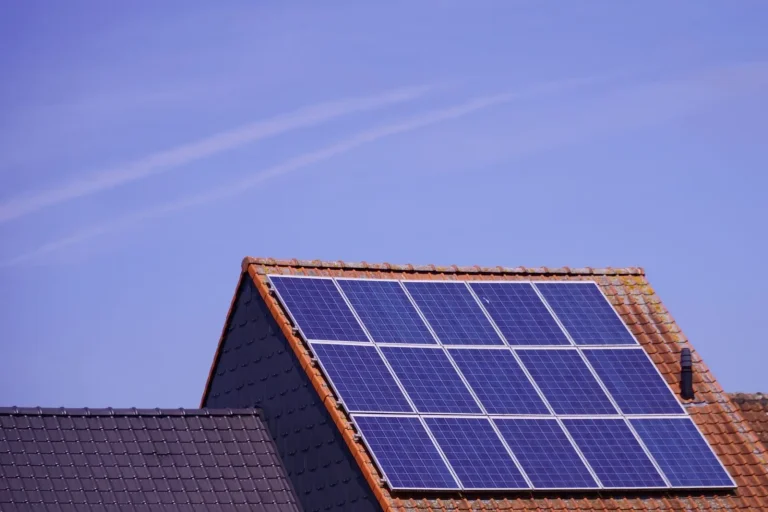
Distributed solar generation has created a secondary problem that wasn’t anticipated when the grid was designed. The network assumes power flows one direction: from substations to homes. Solar systems reverse that flow. On a sunny afternoon, thousands of homes across a suburb are all feeding power back simultaneously. The voltage can rise beyond safe limits if there’s not enough demand to absorb it.
Utilities have responded by capping how much solar can be installed or by requiring inverters with advanced controls that can reduce output when voltage gets too high. This is technically sound, but it means a homeowner with a perfectly good roof might not be able to install the solar system they want. I’ve worked with people who’ve had to downsize their system by 30 or 40 percent because of network constraints.
Battery storage helps, but it’s not a universal solution. A home battery stores excess solar during the day and uses it at night, reducing the amount fed back to the grid. But batteries are expensive, and the economics only work for some households. For others, the payback period is too long, or their usage pattern doesn’t align with what the battery can provide.
Electric Vehicles and Peak Demand
EV charging is the most visible pressure point. A typical EV charger draws 7 to 11 kilowatts when running. For context, that’s roughly equivalent to running five air conditioners simultaneously. If you live in a street where three or four neighbors all own EVs and charge overnight, the local transformer is handling a significant load spike.
Most networks can handle this if charging is staggered. But in practice, people charge when they come home from work, when they’ve finished dinner, or when they wake up before leaving. There’s a natural clustering of demand. Utilities are trying to manage this through time-of-use pricing and smart charging systems that delay charging until off-peak hours, but adoption is patchy, and not everyone is willing to charge their car at 2 am.
The real-world impact varies. In areas with newer infrastructure or lower overall density, EV adoption can happen without major grid upgrades. In dense suburbs or areas with aging networks, each EV installation becomes a negotiation with the utility about what the local infrastructure can handle.
Heat Pumps and Electrification of Heating
Heat pumps for heating and hot water are becoming more common as gas infrastructure ages and costs rise. A heat pump is efficient – it can deliver three or four units of heat for every unit of electricity used – but it still draws significant power during operation. A 6 kW heat pump running for an hour uses 6 kilowatt-hours, which is substantial in the context of a local transformer that’s already managing multiple air conditioners, EV chargers, and solar systems.
The challenge is that heating demand and cooling demand often don’t overlap neatly. In winter, when heat pumps are running hard, solar generation is lower because days are shorter. This means the grid can’t rely on distributed solar to offset the load. Winter peak demand is becoming a genuine constraint in some areas, particularly in southern Australia where heating loads are higher.
Homes that have switched entirely to electric heating – no gas at all – are putting more consistent load on the network year-round. This is efficient from an energy perspective and makes sense for new builds, but it concentrates demand in ways the grid wasn’t designed to handle.
What’s Actually Being Done
Network operators are responding, but the pace is slower than the rate of electrification. Transformer upgrades are happening, but they take time to plan, approve, and install. Some areas are getting smarter inverters that can manage voltage more dynamically. Others are installing batteries at the substation level to smooth out demand spikes and absorb excess solar generation.
The most practical approach I’ve seen is a combination of measures: targeted infrastructure upgrades where demand is highest, incentives for off-peak charging and usage, and stricter requirements for new installations to include smart controls. But this requires coordination between utilities, regulators, and homeowners – and that coordination is uneven across Australia.
There’s also the question of cost. Upgrading distribution infrastructure is expensive, and those costs eventually flow to consumers through network charges. Some argue that homeowners choosing to electrify should bear more of the upgrade cost. Others say the network should adapt to support the transition because it’s in the national interest. The tension between those positions hasn’t been fully resolved.
What’s clear from working in this space is that Australia’s electrification is happening faster than the grid infrastructure is adapting. It’s not a crisis yet in most areas, but it’s a real constraint that homeowners, electricians, and installers encounter regularly. The next five years will determine whether the network catches up or whether demand management and distributed solutions become permanent features of how Australians use electricity at home.