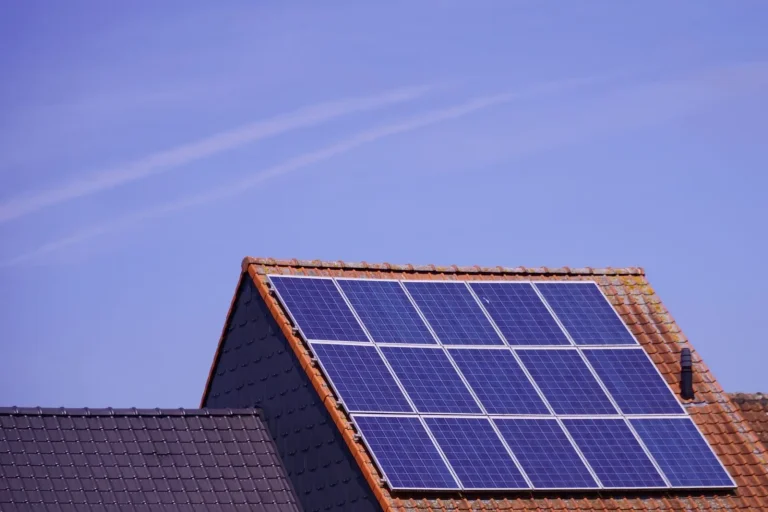

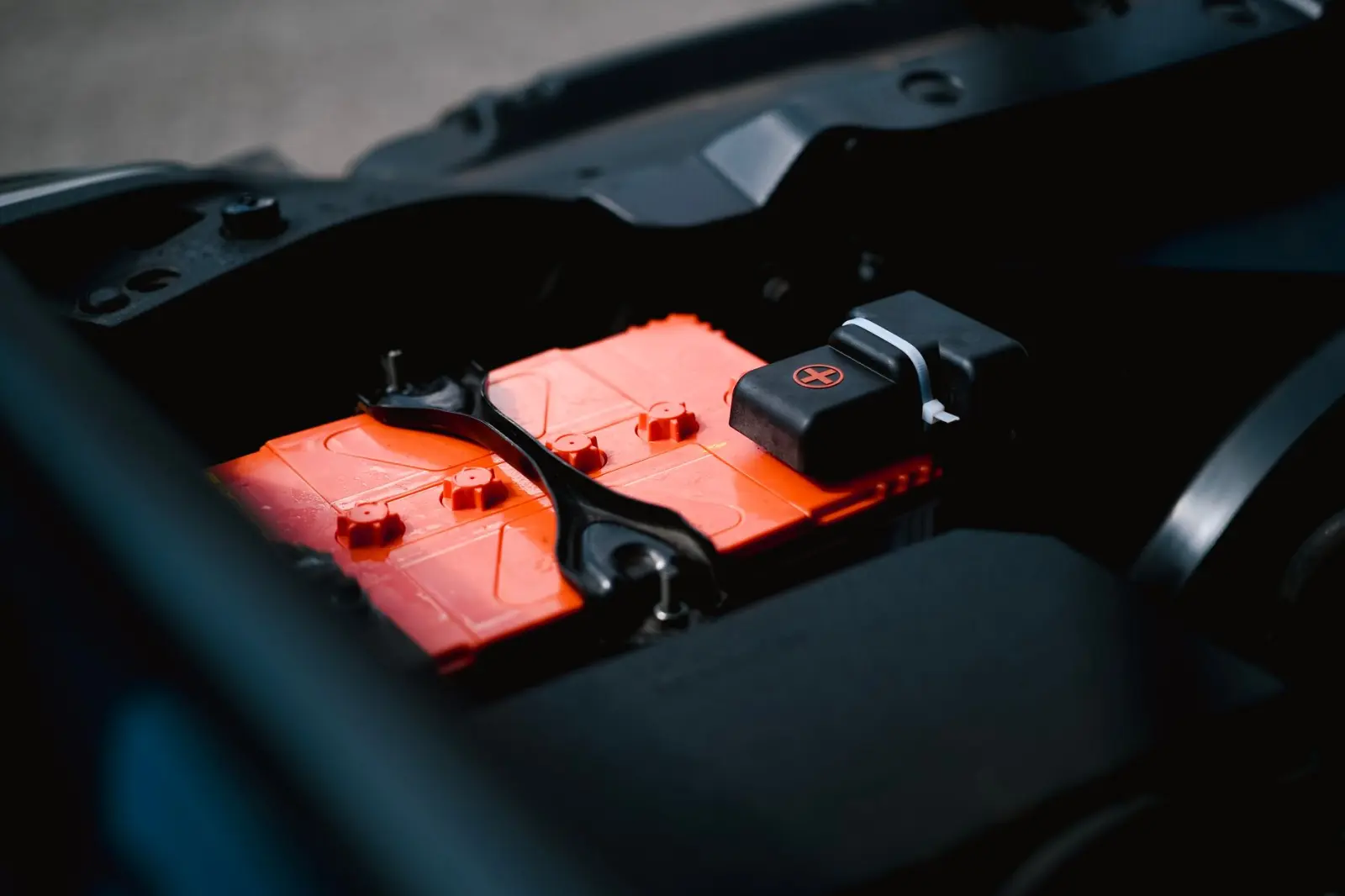
Over the past decade, I’ve watched Australia’s relationship with rooftop solar change fundamentally. The initial wave of installations – panels on every second house in suburban Sydney and Melbourne – solved one problem but created another. Households generate surplus power during the day but draw from the grid at night, often when electricity is most expensive. Battery storage addresses this mismatch, but the reasons it matters now go deeper than simple economics.
The grid itself has changed. With millions of solar systems feeding power back simultaneously, network operators face genuine stress during peak generation hours. Simultaneously, evening demand remains high. Battery storage doesn’t just benefit individual households; it reshapes how the entire system functions. When enough homes store and use their own power strategically, the grid operates more smoothly. This isn’t theoretical – it’s visible in real-time data from networks already managing high solar penetration.
What I’ve noticed most is how storage transforms the relationship between a household and its electricity consumption. Without batteries, solar owners remain tethered to grid timing. With storage, behavior changes. People shift usage patterns naturally. The dishwasher runs when the sun is strong. The pool pump operates mid-afternoon. This isn’t about restriction; it’s about alignment. The technology makes it possible to live within your own generation cycle rather than fighting against it.
The Grid Stability Question
Australia’s electricity network faces a genuine transition challenge. Coal plants are retiring faster than new capacity replaces them. Wind and solar are intermittent by nature. The grid needs flexibility to absorb generation spikes and cover gaps. Distributed battery storage – thousands of systems across homes, businesses, and community installations – provides that flexibility in a way centralized generation cannot.
I’ve seen this play out in regions where solar penetration is highest. South Australia and parts of Queensland experience afternoon periods where renewable generation nearly matches total demand. Without storage, this excess is either curtailed or exported at low prices. With storage, that energy becomes a resource. Batteries absorb the surplus, then release it during evening peaks. The system becomes more stable, not less, even as fossil fuel capacity shrinks.
There’s also a resilience dimension that becomes apparent during network events. When a transmission line fails or a generator trips offline, the grid needs rapid response. Traditional power plants provide this through spinning reserves. Batteries respond in milliseconds. A home battery system won’t replace grid-scale solutions, but thousands of them distributed across a network create redundancy and response capacity that improves overall reliability. This matters more as the system becomes more complex.
Economics Have Shifted
Battery costs have fallen dramatically. A lithium-ion system that cost $15,000 per kilowatt-hour a decade ago now costs around $200 per kilowatt-hour. This isn’t just cheaper; it’s fundamentally changed the payback calculation. Five years ago, storage made sense primarily for people in high-tariff zones or those with unreliable grid access. Today, the economics work across most of Australia for households with existing solar systems.
The real financial case depends on local conditions. In areas with time-of-use tariffs – where evening electricity costs significantly more than daytime rates – storage pays for itself faster. In regions with flat tariffs, the return is slower but still positive over a system’s 10-15 year lifespan. I’ve analyzed hundreds of installations, and the pattern is consistent: storage becomes cost-effective when you have good solar generation, reasonable electricity consumption patterns, and access to tariff structures that reward storage behavior.
What often gets overlooked is the value of avoided peak charges. Many Australian networks charge based on the highest 30-minute consumption window during peak periods. A battery system that shaves those peaks can reduce demand charges by 30-50 percent, sometimes more. For households with electric vehicles or heat pumps, this becomes substantial. The battery pays for itself partly through energy arbitrage but increasingly through demand management.
Practical Realities of Installation and Performance
After years of installations, patterns emerge about what works and what doesn’t. System sizing matters enormously. I’ve seen too many undersized batteries – 2-3 kilowatt-hours in a house with 10 kilowatts of solar and significant evening consumption. These systems charge fully by mid-afternoon and then sit idle while the household draws from the grid all evening. Conversely, oversized systems take months to achieve payback. The optimal size depends on your actual consumption patterns, not theoretical calculations.
Performance degrades gradually but predictably. A quality lithium-ion battery loses roughly 2-3 percent of capacity per year under normal conditions. After ten years, you’re at 80-85 percent capacity. This is acceptable; the system still functions well. What matters is choosing a reputable manufacturer with genuine warranty backing. I’ve encountered cheap systems that failed within three years, leaving owners with expensive paperweights. The difference between a reliable system and a problematic one often comes down to thermal management and electronics quality, not just the cells themselves.
Installation quality varies significantly. A poorly installed system might work but won’t perform optimally. Inverter placement matters – heat reduces efficiency. Wiring runs should be short and properly sized. The battery itself needs appropriate ventilation and temperature control. I’ve seen systems in uninsulated garages lose 15-20 percent efficiency during summer months simply because the installation didn’t account for thermal stress. These aren’t catastrophic failures, but they’re the difference between a system that pays for itself in seven years versus one that takes ten.
The Broader Energy Picture
Storage matters for Australia because it enables a genuine transition away from fossil fuels without requiring massive grid investment or demand reduction. The alternative – relying entirely on grid-scale batteries and upgraded transmission – is possible but expensive and slow. Distributed residential storage accelerates the transition while improving grid stability and reducing costs for everyone.
There’s also a security dimension. Australia’s electricity system has become increasingly vulnerable to extreme weather events. Batteries provide backup power during outages, something that matters more as climate impacts intensify. A system with battery storage keeps essential loads running during blackouts – refrigeration, lighting, communications. This isn’t about going off-grid; it’s about resilience within the grid.
Looking at installations across different regions, the pattern is clear: storage adoption accelerates where it makes economic sense and where customers understand what they’re actually buying. The technology works. The economics work. What remains variable is whether individual households have the right system for their specific situation. That’s where careful assessment matters more than marketing claims or generic recommendations.