
After decades of treating natural gas as a stable, long-term energy backbone, Australia is now in the middle of a genuine reckoning about what role gas will actually play over the next 20 years. This isn’t theoretical debate – it’s shaping how utilities invest, how homes get heated and powered, and what kind of infrastructure decisions make sense right now.
I’ve watched this shift unfold across residential and light commercial work. Ten years ago, gas was the obvious choice for heating, hot water, and cooking in most Australian homes. It was cheaper than electricity for those applications, the infrastructure was mature, and nobody questioned whether it would be around indefinitely. Today, that certainty has evaporated. Homeowners are asking different questions. Builders are reconsidering what systems to install. Energy retailers are hedging their bets.
The core issue is straightforward: Australia has committed to net-zero emissions by 2050, and gas combustion doesn’t fit that picture. But the transition away from gas isn’t simple, and it’s not happening at a uniform pace across the country. The reality on the ground is messier and more interesting than the headline suggests.
Where Gas Still Dominates and Why
Gas remains embedded in Australian homes and businesses for practical reasons that haven’t suddenly disappeared. About 70% of Australian households use gas for at least one application – typically heating water, space heating, or cooking. In colder regions like Tasmania, Victoria, and parts of New South Wales, gas heating is often the most cost-effective way to maintain comfort through winter. That economic reality doesn’t vanish because of policy targets.
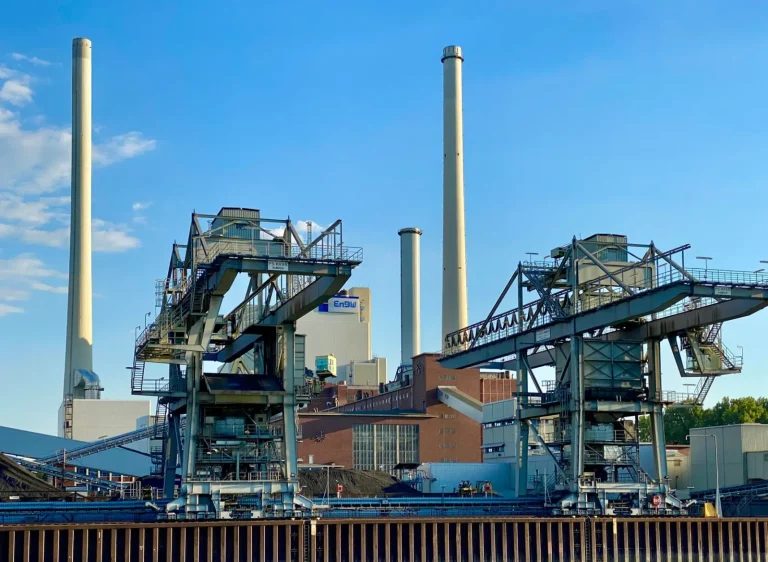
Industrial and commercial gas use is even more entrenched. Manufacturing processes, food production, hospitality venues, and large-scale heating applications rely on gas because the energy density and controllability are difficult to replicate with electricity alone. A restaurant kitchen running six burners simultaneously, or a manufacturing facility needing sustained high heat, isn’t easily converted to electric alternatives without significant capital investment and operational redesign.
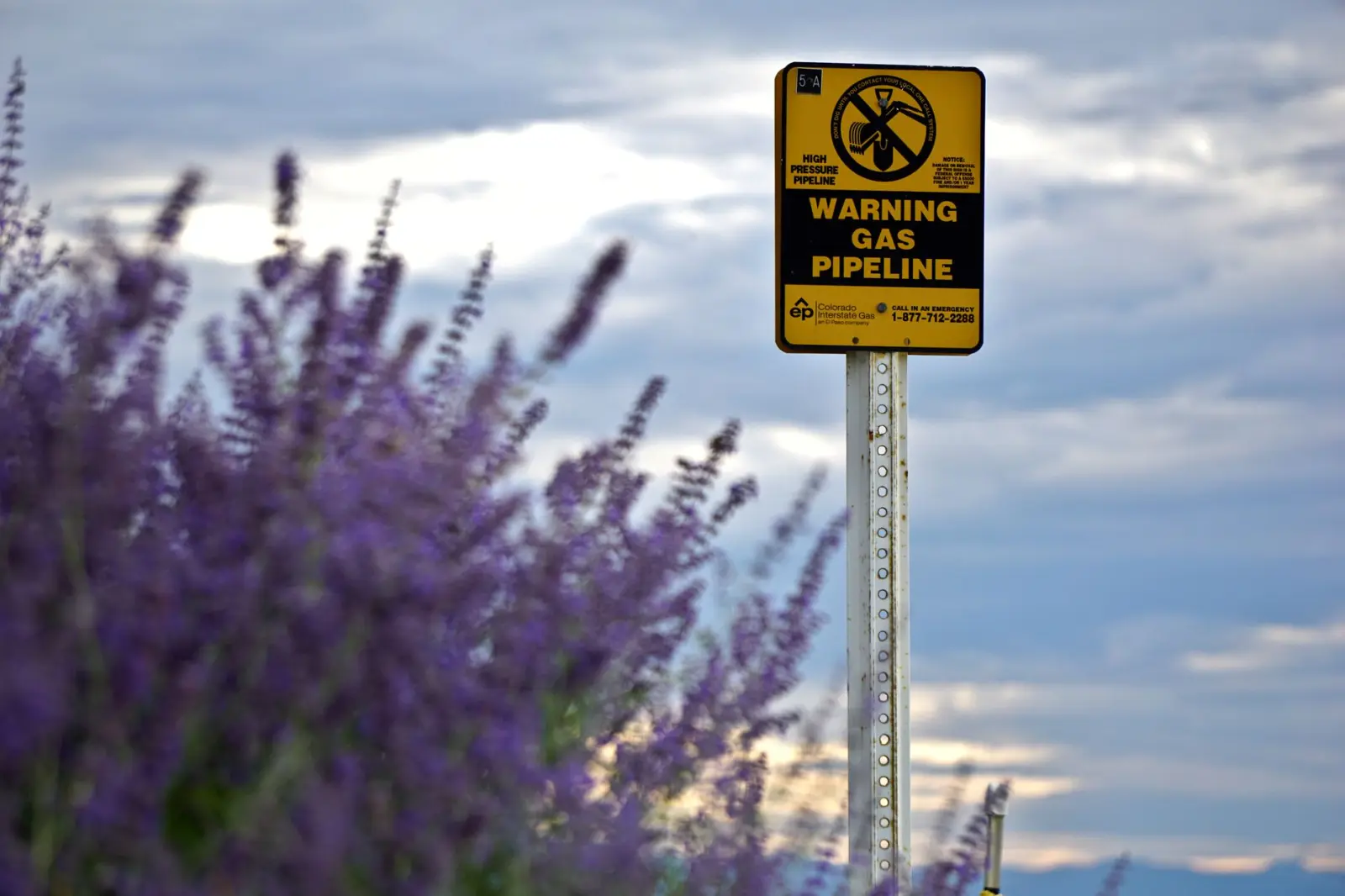
The gas distribution network itself is a massive sunk cost. Thousands of kilometres of pipelines run through Australian suburbs and regions. That infrastructure won’t disappear overnight, and utilities continue to maintain and even expand it in growing areas. As long as customers are connected and paying for gas, utilities have little incentive to accelerate its obsolescence.
The Electricity Transition and Its Real Constraints
The shift toward electricity as a replacement for gas is real, but it’s running into genuine technical and economic friction. Electric heat pumps are now viable for heating and hot water in most climates, and their efficiency has improved markedly. But they’re not a drop-in replacement for every situation. Heat pump performance degrades in very cold conditions – not catastrophically, but noticeably. A home in the Snowy Mountains or Tasmania running a heat pump through a harsh winter will consume more electricity than a gas system would use gas.
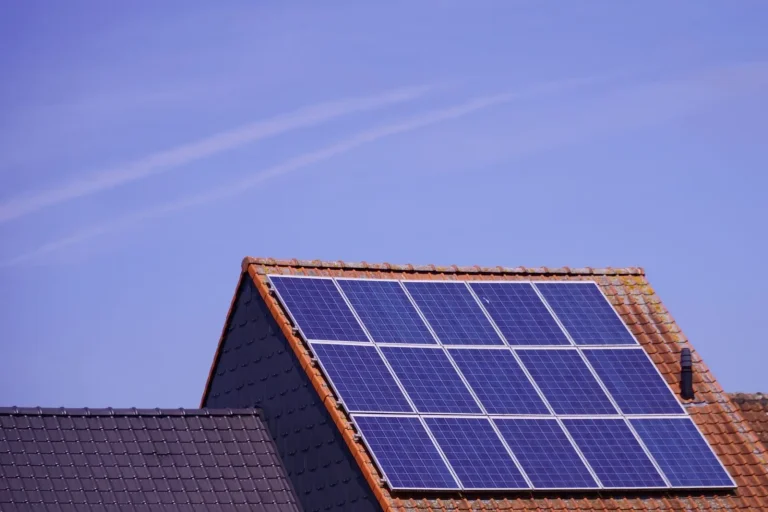
The electricity grid itself is undergoing massive change. Solar and wind are expanding rapidly, but they’re variable. Battery storage is growing, but it’s still expensive and limited in scale. The grid needs to be substantially upgraded to handle the load if millions of homes and businesses switch from gas to electric heating simultaneously. That’s a multi-decade infrastructure project, not something that happens in five years.
Peak demand is another constraint. Winter mornings and evenings, when heating demand spikes, coincide with lower solar generation. If everyone’s heat pump, hot water system, and EV charger are drawing power at the same time, the grid needs to be ready. Gas systems, by contrast, distribute that load across a different infrastructure. The transition requires careful sequencing and investment that’s still being planned.
Hydrogen and the Uncertain Middle Path
One of the more interesting developments is the exploration of hydrogen as a potential replacement for natural gas in existing infrastructure. The idea is appealing: use the same pipes, the same appliances (mostly), but burn hydrogen instead of methane. It produces water vapour instead of carbon dioxide. In theory, it’s elegant.
In practice, hydrogen faces significant hurdles. Producing hydrogen at scale requires either electrolysis (which demands cheap, clean electricity) or steam methane reforming (which still produces emissions unless carbon is captured). Blending hydrogen into the existing gas network is possible at low percentages, but converting the entire system to pure hydrogen requires replacing or modifying most appliances and infrastructure. The cost is substantial, and the timeline is uncertain.
What I’ve observed is that hydrogen is being positioned as a bridge technology – something that might extend the life of gas infrastructure and allow a slower transition. But it’s not a solution that’s been proven at scale in residential settings anywhere in the world. It remains a possibility rather than a certainty, and utilities are cautious about committing large capital to hydrogen infrastructure when the demand and regulatory pathway are still unclear.
Regional Variation and Stranded Assets
Australia’s gas future isn’t uniform across the country. In regions with abundant solar resources and mild winters, the transition away from gas is already accelerating. South Australia, parts of Queensland, and inner-city areas of major cities are seeing higher adoption of electric heating and hot water systems. In these areas, the economics favour electricity, and the grid can handle the load.
In contrast, regions with colder climates, lower population density, and less developed electricity infrastructure face different constraints. The cost of upgrading the electricity network to support widespread heat pump adoption is higher relative to the customer base. Gas infrastructure is already in place and functioning. The economic case for rapid transition is weaker.
This creates a real risk of stranded assets – gas infrastructure that becomes economically unviable before it’s physically worn out. Utilities face a difficult choice: continue investing in gas networks that might become obsolete, or accelerate retirement and face write-downs. Customers in areas where gas is being wound down face higher costs to convert to alternative systems, which can create equity issues.
What’s Actually Changing in Homes Right Now
The practical reality in residential work reflects this uncertainty. New homes are increasingly being built without gas connections, particularly in areas with good electricity infrastructure. When gas isn’t installed from the start, the cost barrier to going electric is removed. Builders are installing heat pumps, electric hot water systems, and induction cooktops as standard.
In existing homes, the transition is slower and more selective. When a gas hot water system fails, homeowners are increasingly choosing electric or heat pump alternatives, particularly if they’re already paying for electricity and the upfront cost difference is modest. Gas heating systems are being replaced with heat pumps, but often only when the existing system reaches end of life and replacement is necessary anyway.
Cooking is the slowest category to transition. Gas cooktops remain popular for their responsiveness and control, and many people prefer them. Electric induction cooktops are technically superior in many ways, but they require different cookware and a different cooking technique. The cultural attachment to gas cooking is real, even as the practical advantages narrow.
Policy, Uncertainty, and Investment Decisions
One of the biggest challenges for the gas industry – and for customers – is policy uncertainty. Different Australian states and territories have different targets and timelines for emissions reduction. Some are considering restrictions on new gas connections in new buildings. Others are exploring gas rebates to support lower-income households. Federal policy has shifted multiple times in recent years.
This uncertainty makes long-term investment decisions difficult. Utilities don’t know whether to expand or contract gas networks. Appliance manufacturers don’t know what products to develop. Homeowners don’t know whether investing in a new gas system is sensible or whether they’ll face pressure to replace it within a decade.
What tends to happen in this environment is that investment stalls. Utilities maintain existing infrastructure but avoid major new projects. Customers defer decisions, waiting to see how policy settles. The transition slows, not because the technology doesn’t exist, but because the rules of the game keep changing.
The future of gas in Australia’s energy system isn’t a single trajectory. It’s a series of overlapping transitions happening at different speeds in different places. Gas will likely remain significant in industrial and commercial applications for longer than in residential settings. Regional differences will persist, with some areas transitioning rapidly while others move more slowly. Hydrogen might play a role, but probably a smaller one than some proponents hope. Electricity will expand, but the grid needs time and investment to handle the load. The infrastructure decisions being made now – which networks to upgrade, which to retire, where to invest in alternatives – will shape energy costs and reliability for decades. There’s no single answer, and anyone claiming certainty about what happens in 2040 or 2050 is probably oversimplifying.