
Over the past five years, I’ve watched Australia’s electricity demand shift in ways that most people don’t notice until they try to charge their car at the same time their neighbour does. Electric vehicles are no longer a niche concern – they’re reshaping how our grid operates, and the changes are happening faster than many utilities anticipated.
The fundamental issue isn’t whether the grid can handle EVs. It can. The real problem is timing. A traditional home uses electricity fairly evenly across the day: heating, cooling, lighting, appliances. An EV charger, by contrast, draws 7 to 10 kilowatts continuously for 6 to 12 hours. When thousands of people plug in their cars after work, between 5 and 9 pm, that’s a concentrated demand spike that didn’t exist a decade ago. In suburbs with high EV penetration – places like parts of inner Melbourne or Sydney’s eastern suburbs – this peak is becoming genuinely difficult to manage.
The Residential Charging Reality
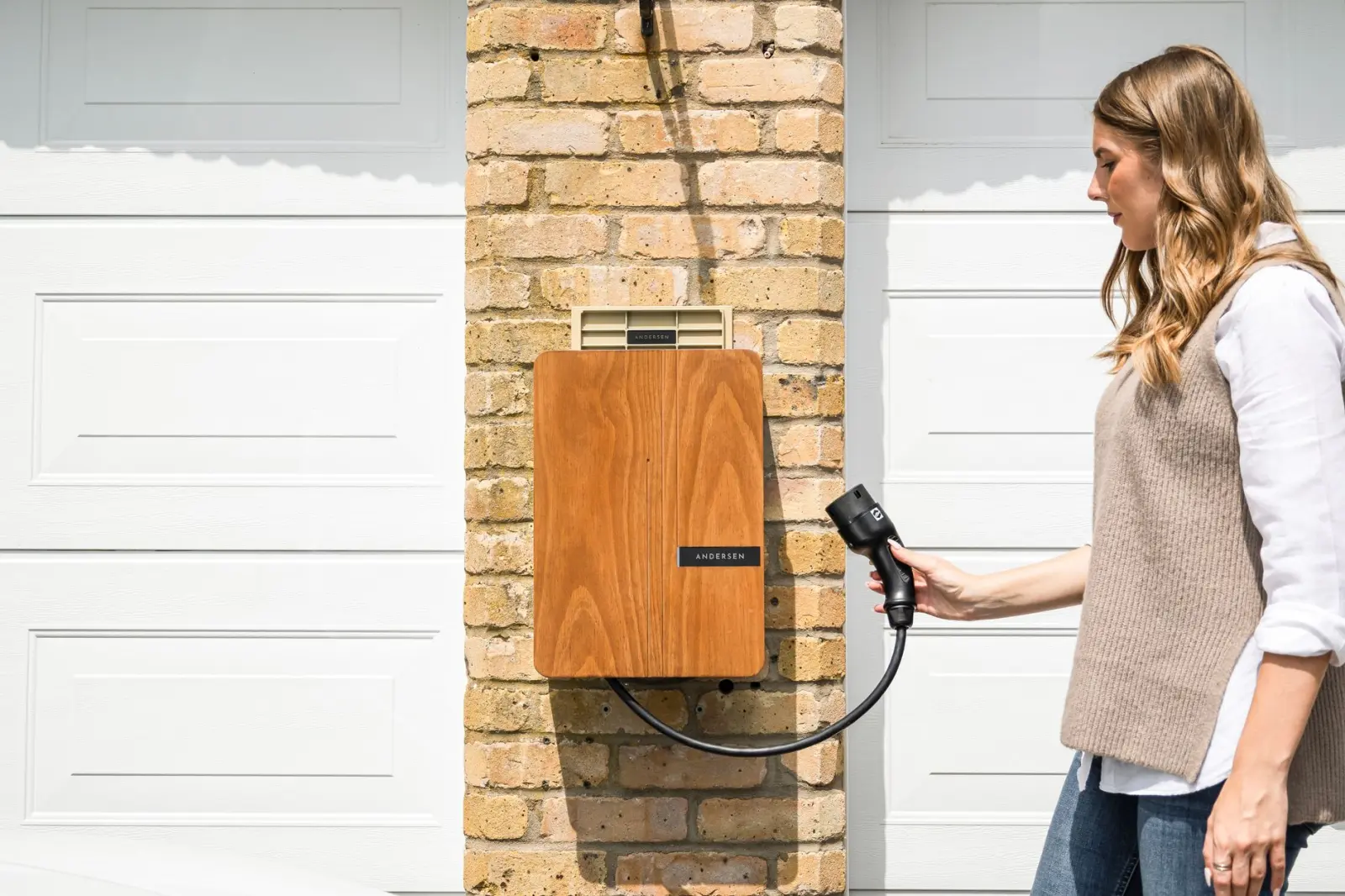
Most EV owners charge at home, and most charge when it’s convenient rather than when the grid prefers. A Level 2 home charger (the standard 7 to 10 kW setup) is perfectly safe and reliable, but it’s also a substantial load. In older suburbs with aging electrical infrastructure, adding multiple EVs to a single street can push transformers closer to their limits. I’ve seen cases where a distribution transformer rated for 100 kVA is now serving a street where five or six homes have EVs, plus the usual air conditioners and pool pumps. That transformer wasn’t designed for that simultaneous load.
The grid operators know this is coming. They’re not panicking, but they’re also not sitting idle. Distribution network companies across Australia are beginning to upgrade infrastructure in high-growth areas, particularly in affluent suburbs where EV adoption rates are highest. This costs money – billions of dollars, spread across the next decade – and those costs eventually flow through to electricity bills. It’s not dramatic, but it’s real.
What I’ve noticed is that the problem isn’t uniform. A new estate in a growth corridor with modern electrical infrastructure can absorb EV charging relatively easily. An established suburb with infrastructure from the 1970s or 1980s has much less headroom. This creates a kind of invisible geography of readiness that most homeowners don’t think about until they try to install a charger and the electrician says the local network can’t support it without a costly upgrade.
Peak Demand and Renewable Variability
Australia’s electricity mix is changing at the same time EV adoption is accelerating. Solar and wind now provide a significant portion of our generation, but they’re intermittent. On a cloudy afternoon with low wind, the grid relies on gas generators and battery storage to fill the gap. Then evening comes, people arrive home, and suddenly there are thousands of cars wanting to charge.
This collision between variable renewable supply and concentrated EV charging demand is the real operational challenge. It’s not a crisis yet, but it’s a constraint that grid planners have to design around. Battery storage helps – utility-scale batteries can now respond within milliseconds to demand spikes – but they’re expensive and still relatively limited in capacity. South Australia and Victoria have been building more storage, but it’s a race between storage deployment and EV charging growth.
The grid operators have tools to manage this. Smart charging can shift demand to times when renewable generation is high or when demand is naturally lower. Some utilities are experimenting with time-of-use pricing that incentivises off-peak charging. A few early adopters with home batteries can charge during the day when solar is abundant and use that stored energy at night. These strategies work, but they require coordination between vehicle owners, network operators, and energy retailers – coordination that doesn’t always happen smoothly.
What Actually Happens in Homes
I’ve installed or advised on dozens of home EV chargers, and the practical reality is messier than the theory. Most people want a fast charger because they’re impatient. A 22 kW charger will fully charge a typical EV in 2 to 3 hours, compared to 8 to 12 hours for a 7 kW charger. But a 22 kW charger requires three-phase power, which not all homes have. Upgrading to three-phase can cost $2,000 to $5,000 depending on location and existing infrastructure. Many people balk at this and settle for a slower charger, which means they’re still drawing power during peak evening hours.
The other reality is that most people charge whenever they get home, not when it’s optimal for the grid. They don’t think about it. The car is plugged in, and charging happens. This is actually fine for the grid most of the time, but on hot summer evenings when air conditioners are running and solar has just dropped to zero, those concentrated charging loads do matter. In South Australia during the 2022 – 23 summer, there were a few evenings when EV charging combined with air conditioning demand created genuine stress on the network. It was managed, but only just.
The Longer-Term Shift
As EV adoption continues – and it will, because the vehicles are becoming cheaper and more practical – the grid will adapt. New homes are increasingly being built with EV-ready infrastructure. Battery storage in homes will become more common, particularly as prices fall. Vehicle-to-grid technology, where cars can feed power back to the grid, is still emerging but will eventually be significant.
What I find most interesting is that this isn’t really a problem that needs solving with new generation capacity. Australia has enough generation. The issue is distribution and timing. The grid needs to be smarter about when and where power is used, not necessarily produce more of it. This is a fundamentally different challenge than the old model of “build more power stations.” It requires investment in networks, storage, and control systems rather than generation.
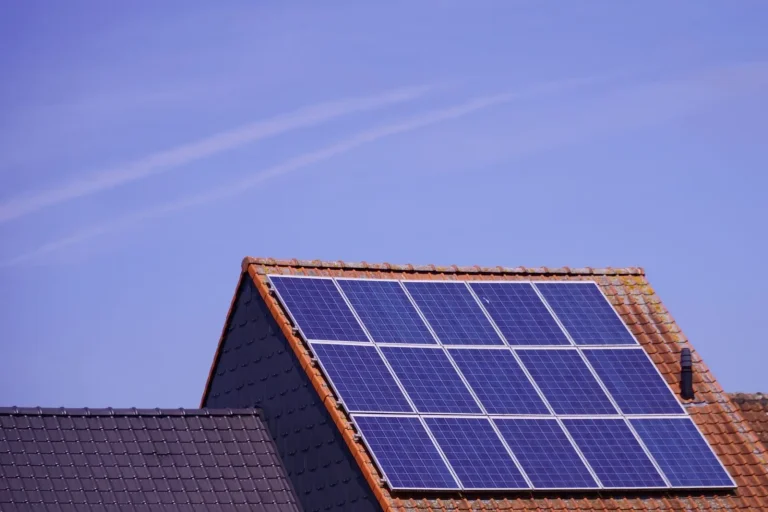
The households that will adapt most smoothly are those with solar panels, home batteries, or flexible charging habits. Someone with 5 kW of rooftop solar can charge their EV during the day and barely touch the grid. Someone with a battery can time-shift that solar energy to evening charging. Someone without either but willing to charge overnight when demand is low contributes to grid stability. The households that create the most stress are those charging a large battery quickly during peak evening hours with no flexibility – and there will be more of them as EV ownership becomes mainstream rather than affluent.
The grid will handle it. Australia’s electricity system is robust, and the operators managing it are experienced. But there’s no avoiding that this transition requires investment, coordination, and some changes to how people think about charging. The infrastructure is already being upgraded in the places where it matters most, and the costs are being distributed across the system. It’s not dramatic or urgent, but it’s real, ongoing, and worth understanding if you’re considering an EV or managing a property with one.