
After spending years working on homes across Australia’s hot zones, I’ve noticed that insulation gets treated as a one-size-fits-all problem. People assume the same batts and blankets that work in temperate climates will do the job in places where summer temperatures regularly exceed 35°C. They won’t. The physics changes when your goal shifts from keeping warmth in to keeping it out, and the materials that perform well under one set of conditions often underperform under another.
The fundamental issue is that most standard insulation in Australia was designed with winter heating in mind. That legacy persists even in homes built for climates where heating barely matters. What works in Melbourne’s winter doesn’t necessarily work in Darwin’s summer, yet builders and homeowners often treat insulation as a checkbox rather than a climate-specific decision. I’ve pulled out plenty of installations that looked correct on paper but failed to deliver measurable cooling benefits.
How Heat Actually Moves Through a Roof
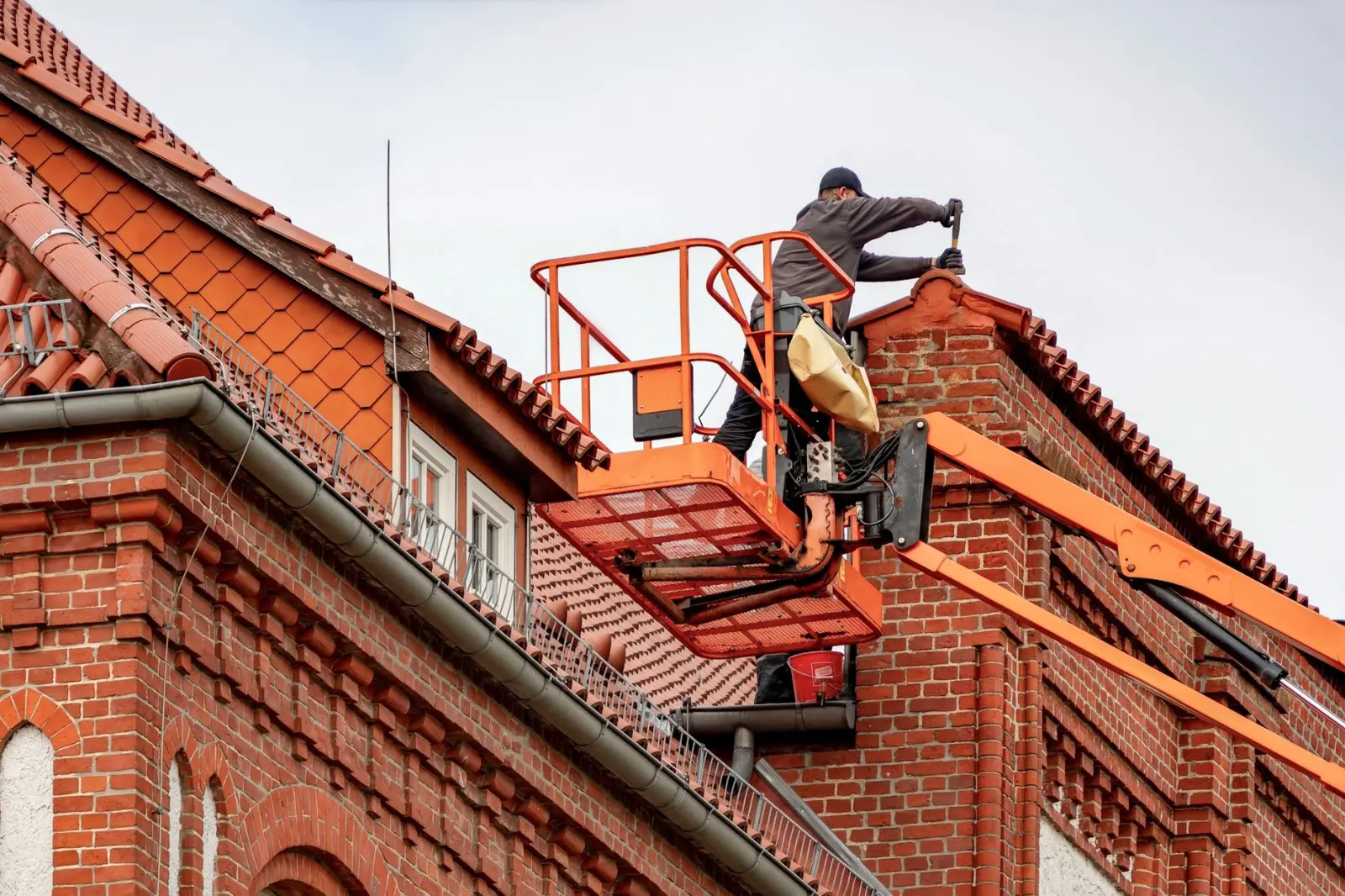
In hot climates, the roof is where most of the battle happens. Direct solar radiation hammers the exterior surface, and that energy doesn’t just sit there – it conducts through the material and radiates downward into the attic space. From there, it transfers into the living areas below. Standard insulation slows that transfer, but the real problem occurs when the attic space itself becomes an oven. I’ve measured attic temperatures in excess of 60°C on days when the outside air is only 38°C. The insulation is working, but it’s working against a massive temperature gradient.
The reflective properties of the roof surface matter enormously. A dark roof absorbs more solar energy than a light one – this is basic physics, but the practical impact is substantial. A white or light-coloured roof can reduce peak attic temperatures by 10 – 15°C compared to a dark roof with identical insulation underneath. I’ve seen homes where upgrading the roof colour alone delivered more cooling benefit than adding extra insulation would have. That’s not always a viable option if the roof is relatively new, but it’s worth knowing when planning a renovation.
R-Values and What They Actually Mean in Heat
R-values measure thermal resistance, but they’re bidirectional. The same R-value that slows heat loss in winter also slows heat gain in summer. However, the relationship between R-value and actual indoor temperature reduction isn’t linear, especially in extreme heat. Doubling the insulation doesn’t halve the heat gain. At a certain point, you’re spending money on diminishing returns.
In hot climates, the practical sweet spot for ceiling insulation typically sits around R3.5 to R5.0, depending on location and roof colour. Going higher than R6.0 provides marginal additional benefit unless you’re also addressing air sealing and ventilation. I’ve seen homes with R7.0 insulation that still feel hot because air leaks around the attic perimeter, or because the ventilation strategy is poor. The insulation can’t do its job if conditioned air is escaping elsewhere.
Bulk insulation – batts, blankets, and boards – works by trapping air in small pockets. This slows conductive heat transfer. But in Australian hot climates, reflective insulation becomes equally important. Foil-backed batts and radiant barriers reflect a portion of the infrared radiation before it even reaches the bulk insulation. I’ve seen noticeable differences in homes that combined bulk insulation with a proper radiant barrier in the roof cavity.
Material Selection in Practice
Fibreglass batts are common because they’re affordable and straightforward to install. They work adequately in hot climates, but they’re not optimal. Polyester batts perform slightly better in high-temperature environments because they’re more stable at elevated temperatures and resist moisture-related degradation more effectively. In a 60°C attic, polyester holds up better than some other materials.
Glasswool is another standard option, and it’s reliable, but again – it’s not specifically engineered for extreme heat. Sheep’s wool insulation has gained traction in Australia, and for good reason. It’s naturally fire-resistant, handles temperature swings well, and manages moisture without the same risks as synthetic materials. It costs more upfront, but it lasts longer and performs consistently across temperature ranges. I’ve seen wool insulation in homes that are now 15 years old, and it shows no signs of degradation.
Closed-cell spray foam is increasingly popular because it seals air gaps and provides both bulk and reflective benefits. The downside is cost and the need for professional installation. But in homes where air sealing is a major issue, spray foam delivers measurable results. I’ve used it in renovations where existing insulation was compromised by gaps and poor installation, and the temperature difference is tangible.
Ventilation and Airflow Dynamics
Insulation alone doesn’t cool a home. The attic space needs to breathe. Proper ventilation – soffit vents, ridge vents, or powered exhaust fans – allows hot air to escape rather than accumulate. Without adequate ventilation, you’re essentially trapping heat in a confined space, and the insulation has to work against that stagnant, superheated environment.
I’ve encountered homes where the roof was well-insulated but soffit vents were blocked by debris or poor design. The attic temperature barely dropped from peak afternoon heat until late evening. Adding ventilation made a bigger difference than adding more insulation would have. The two work together – insulation slows the heat transfer, and ventilation removes the heat that does accumulate.
Powered attic fans can help in some situations, but they’re not a universal solution. They work best in climates with significant diurnal temperature swings, where nighttime cooling can offset daytime heat gain. In tropical or consistently hot climates, they’re less effective because the night air is often still warm.
Walls and Underfloor Spaces
Most attention goes to the roof, but walls and underfloor areas matter too. External walls in hot climates benefit from insulation, though the payoff is smaller than roof insulation because walls receive less direct solar radiation and have more surface area exposed to shade and air movement. Cavity wall insulation is common in renovations, and it does reduce heat transfer, but expectations should be realistic.
Underfloor insulation is often overlooked in Australian homes, particularly in areas with elevated timber floors. In hot climates, an uninsulated underfloor space becomes a heat sink during the day and radiates warmth upward into the living areas at night. Insulating under floors – especially on the north and west sides where sun exposure is greatest – provides measurable comfort improvements and reduces cooling load.
Installation Quality and Common Pitfalls
I’ve seen plenty of insulation installed poorly, and poor installation negates much of the material’s benefit. Batts that aren’t fitted snugly into cavities leave air gaps. Insulation compressed too tightly loses its effectiveness. Foil barriers installed with the reflective side facing the wrong direction don’t work. These aren’t minor issues – they’re the difference between a functional installation and one that underperforms.
Moisture is another critical factor. In humid climates, insulation can absorb moisture if there’s no adequate vapour barrier. Damp insulation loses R-value and can develop mould. I’ve had to remove insulation that looked fine from above but was wet underneath due to condensation or roof leaks. Proper air sealing and vapour management are as important as the insulation material itself.
Heat and UV exposure also degrade insulation over time. Materials left exposed to direct sunlight in attics can break down faster than expected. Protecting insulation from direct exposure and ensuring adequate ventilation to prevent excessive temperature extremes extends the lifespan of whatever material you choose.
The reality of insulation in hot Australian climates is that it’s not a single solution. It’s a system involving material selection, installation quality, ventilation strategy, and often roof surface properties. Treating it as just another building code checkbox misses the opportunity to substantially improve comfort and reduce cooling costs. The homes that stay coolest aren’t always the ones with the thickest insulation – they’re the ones where every component works together.