
Australia’s solar farm expansion has become one of those infrastructure shifts that looks straightforward on paper but reveals considerable complexity once you’re working within it. Over the past decade, I’ve watched utility-scale solar projects move from being novelties in regional areas to becoming a standard part of how land gets allocated and used across the country. The benefits are real – grid stability, reduced emissions, lower energy costs in certain regions – but the friction points are equally genuine, and they don’t resolve themselves through good intentions alone.
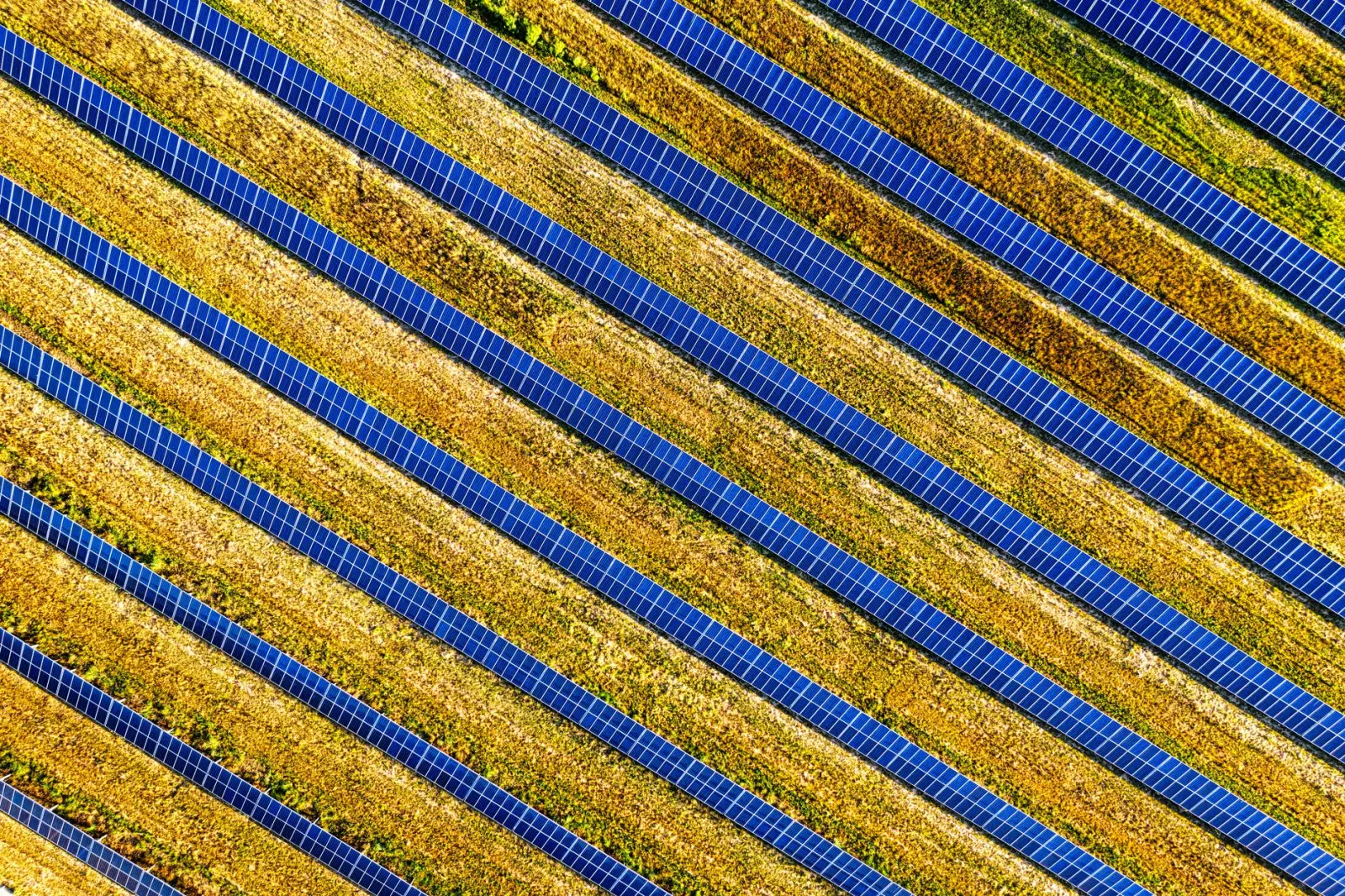
The scale of what’s happening is worth understanding first. We’re not talking about rooftop panels on suburban homes. Utility-scale solar farms in Australia now span tens of thousands of hectares, with individual projects regularly occupying 1,000 to 3,000 hectares or more. These aren’t small installations. A single large facility can generate 200 to 400 megawatts of capacity. When you multiply that across dozens of active projects and hundreds more in planning stages, you’re looking at a fundamental reshaping of how certain regions use their land.
Where the Energy Benefit Actually Sits
The primary advantage of solar farms in Australia is straightforward: they generate electricity when the sun is available, and Australia has abundant solar resources, particularly in inland regions. This matters because it displaces coal and gas generation, which still account for a significant portion of the national grid. In practical terms, a large solar farm operating at reasonable capacity factors – typically 25 to 30 percent across most of Australia – can offset the output of a small coal plant without the ongoing fuel costs or emissions.
What gets less attention is the regional grid stability benefit. Solar farms aren’t distributed across suburbs like rooftop installations. They’re concentrated assets that can be connected to the transmission network at strategic points. This means they can actually strengthen grid resilience in areas that previously relied on aging coal infrastructure. I’ve seen regions where a new solar farm has genuinely improved local voltage stability and reduced the strain on aging transmission lines. That’s not a marketing point; it’s a measurable engineering outcome.
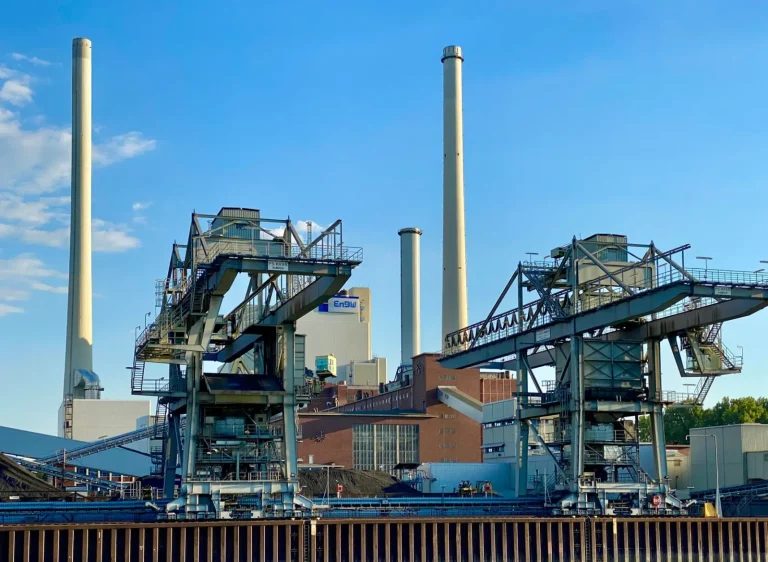
The cost trajectory matters too. Solar panel costs have fallen by roughly 90 percent over the past decade. That means the levelized cost of electricity from new solar farms is now competitive with or cheaper than operating existing coal plants. From a pure energy economics perspective, building new solar capacity instead of maintaining aging thermal generation makes financial sense for grid operators. That’s driving the pace of development.
The Land-Use Collision
Where things get contentious is land. Australia has vast open space, but that space isn’t empty or valueless. Most proposed solar farm sites sit on agricultural land – either grazing country, cropping land, or land with development potential. In regions like inland New South Wales, Victoria, and South Australia, the same areas being targeted for solar farms are also home to farming families, small towns, and established rural economies.
The tension isn’t abstract. A 2,000-hectare solar farm means 2,000 hectares that aren’t producing grain, grazing livestock, or available for future residential or industrial development. For a farmer or a regional council, that’s not just an energy policy question – it’s a question about the future of their local economy and community. I’ve attended community meetings where this friction was palpable. The energy benefits are national or state-level abstractions. The land-use cost is local and immediate.
Agricultural productivity loss is real but often overstated. Most solar farms use land that’s marginal for cropping – low rainfall zones, poor soil quality, or land already used for extensive grazing. Sheep can still graze under and between solar panels in many installations, so the land isn’t entirely lost to production. But it is constrained. The land can’t be used for intensive agriculture, and it can’t be easily converted to other uses for 25 to 30 years, which is the typical operational lifespan of a solar farm.
Environmental Trade-offs That Matter
Solar farms aren’t environmentally neutral, despite how they’re often presented. Clearing native vegetation to install panels removes habitat and disrupts ecosystems. In Australia, where land clearing has already fragmented many habitats, adding large-scale solar development to that pressure is significant. Some projects have been modified or relocated based on environmental impact assessments, but the bar for what constitutes an unacceptable impact varies by state and by the specific ecology involved.
Water use is minimal for solar generation itself, which is an advantage over thermal power plants. But the construction phase and ongoing maintenance do require access roads, drainage management, and sometimes vegetation control. In dry regions, that infrastructure has hydrological effects that aren’t always well-studied before development begins.
The other environmental consideration is what happens at end of life. Solar panels degrade over time and eventually need replacement. Australia doesn’t yet have mature recycling infrastructure for large volumes of used panels. That’s coming, but it’s not here yet. So large-scale solar development today is creating a future recycling problem that the industry and regulators are still working out.
Grid Integration Challenges
Solar generation is intermittent. The sun doesn’t shine at night, and cloud cover reduces output unpredictably. For a single farm, that’s manageable through grid-scale battery storage or by relying on other generation sources to fill gaps. But as solar penetration increases – and it is increasing rapidly – the grid needs more storage capacity and more flexible backup generation to maintain stability during low-solar periods.
This is where the real infrastructure cost sits. A solar farm itself is relatively cheap to build compared to a coal plant. But the supporting infrastructure – transmission lines to move power from remote solar sites to population centers, battery storage facilities, and upgraded grid control systems – adds substantial cost. These costs are real, and they’re often underestimated in early project assessments.
I’ve seen projects where the solar farm was built efficiently, but connecting it to the grid required years of additional work and millions in transmission upgrades. The solar capacity exists, but it can’t be fully utilized until the grid infrastructure catches up. That’s not a failure of solar technology; it’s a reality of integrating large amounts of variable generation into a grid designed for stable, dispatchable power sources.
The Land-Use Planning Problem
Australia’s land-use planning is fragmented across state and local governments, and solar farm development has exposed gaps in how these systems handle large-scale renewable infrastructure. A solar farm might generate state-level benefits (emissions reduction, energy security) while creating local costs (visual impact, land-use constraint, community disruption). The planning system doesn’t always weigh these trade-offs clearly.
Some regions have been more proactive. South Australia, for example, has developed clearer guidelines for solar farm siting and community engagement. Other areas have seen projects approved with minimal local consultation, leading to community backlash and legal challenges that delay implementation. The inconsistency creates inefficiency and erodes local confidence in the development process.
What I’ve observed is that solar farm projects succeed more smoothly when there’s genuine early engagement with local communities and when the economic benefits are distributed locally – through employment during construction and operation, through lease payments to landowners, and through community benefit agreements. That’s not idealism; it’s practical project management. Communities that feel heard and that see direct benefit are more likely to support development.
The Practical Reality Going Forward
Australia will continue building solar farms at scale because the energy economics and climate imperatives both support it. The question isn’t whether solar development continues, but how it’s managed and where it’s sited. The best outcomes I’ve seen come from projects that acknowledge the land-use trade-offs explicitly rather than trying to minimize them rhetorically.
Some of the most productive conversations have involved farmers, developers, and planners working out arrangements where solar farms are sited on the least productive or most marginal land, where grazing can continue under panels, and where community benefits are tangible. These aren’t perfect solutions, but they’re pragmatic ones that balance competing legitimate interests.
The energy benefits of solar farms are substantial and measurable. The land-use costs are also real and shouldn’t be dismissed. Australia has the space and the solar resource to build significant solar capacity without sacrificing productive agricultural land or critical habitat – but that requires intentional planning and a willingness to have honest conversations about trade-offs rather than pretending they don’t exist.