
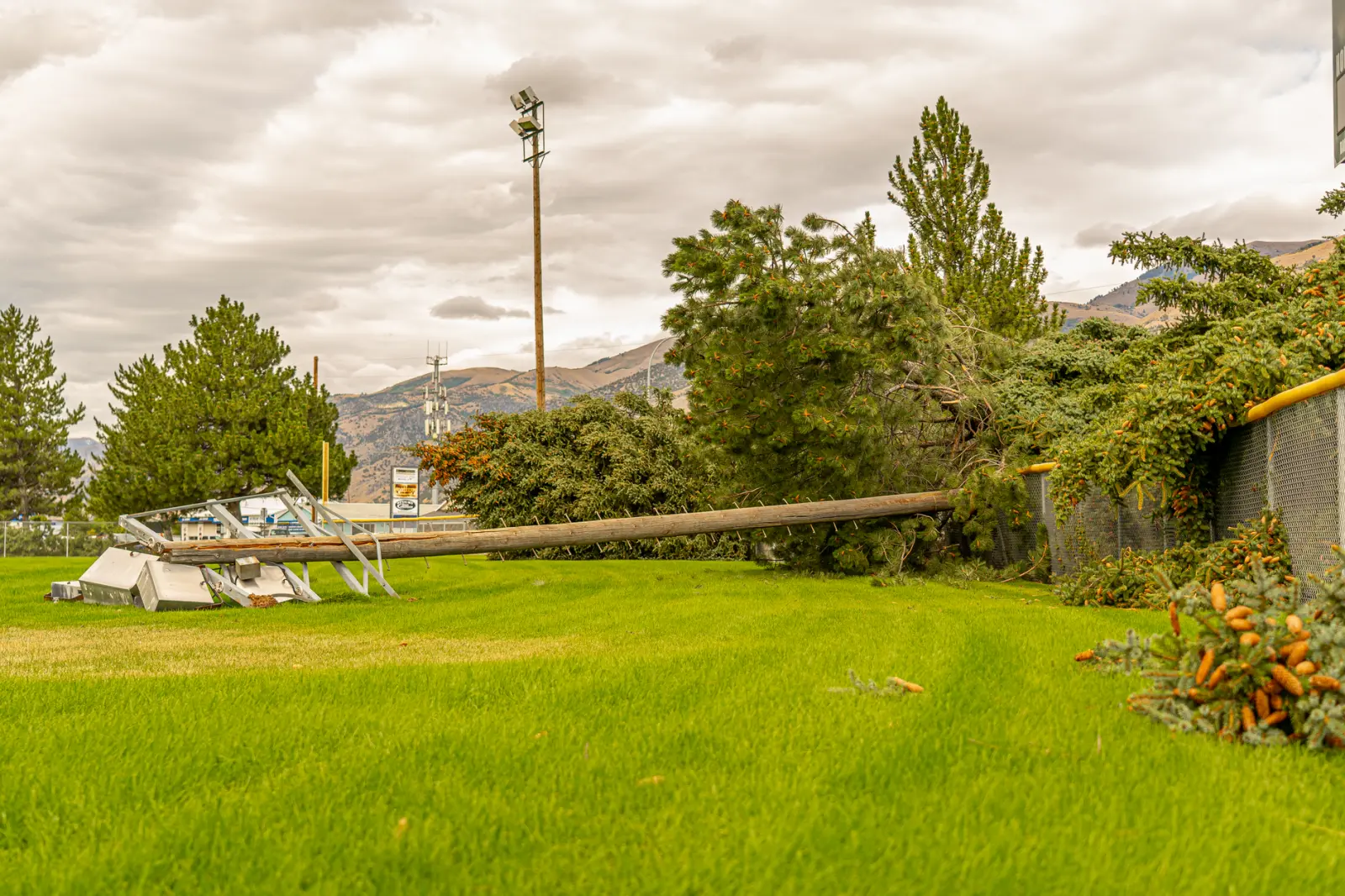
Over the past fifteen years, I’ve watched Australian homeowners deal with the aftermath of increasingly severe weather events. Floods, cyclones, hail, and prolonged droughts don’t just appear in news bulletins – they show up as structural damage, foundation problems, roof failures, and landscape erosion that can take months or years to fully repair. The economic impact extends far beyond the immediate disaster. It’s embedded in insurance premiums, repair backlogs, material shortages, and the quiet decisions homeowners make about whether to rebuild or abandon a property altogether.
What strikes me most is how much of the real cost remains invisible in national statistics. A severe hail event might generate headlines about insured losses, but the uninsured damage – gutters, solar panels, water tanks, fencing – often equals or exceeds the insured portion. Add in the cost of temporary accommodation, lost productivity, and the labor shortage that follows a major event, and the true economic footprint becomes substantially larger than official figures suggest.
The Pattern of Escalating Repair Demand
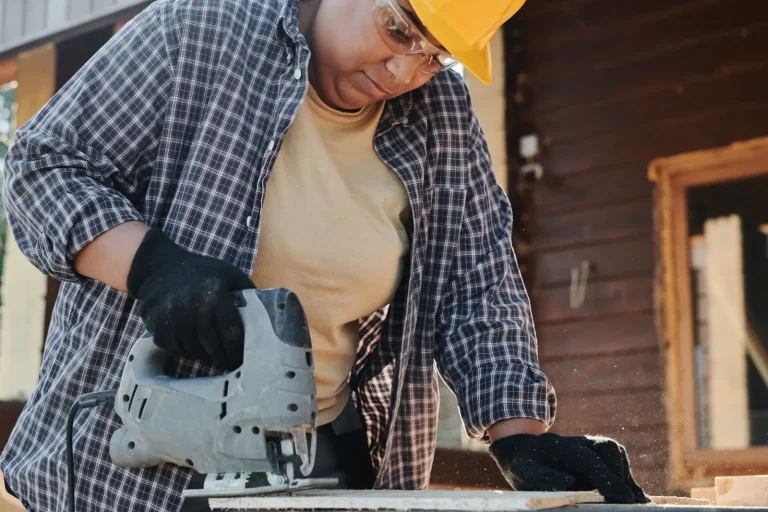
After a significant weather event, the construction and repair sector experiences a predictable but severe strain. Labor becomes scarce almost immediately. Tradies who normally work on renovations and maintenance pivot to emergency repairs. Material suppliers run short on everything from roof tiles to plasterboard to concrete. I’ve seen homeowners wait six to twelve months for roof repairs simply because every qualified roofer within a hundred kilometers is fully booked. This creates a secondary economic effect: routine maintenance and planned upgrades get delayed, which eventually leads to more expensive problems down the line.
Insurance claims processing also becomes a bottleneck. Assessors are overwhelmed. Some homeowners wait months before an adjuster even visits their property. During that time, temporary repairs – tarps, boards, sandbags – degrade further. Water ingress continues. Mold develops. What might have been a contained repair job becomes a much larger remediation project. The insurance payout often doesn’t cover the full cost of proper restoration, leaving homeowners to cover the gap themselves or accept a lower standard of repair.
Foundation and Structural Vulnerabilities
Flooding reveals problems that dry conditions mask. Concrete slabs crack and heave. Timber stumps rot. Brick veneer separates from frame walls. After a major flood, I’ve inspected homes where the structural damage didn’t become apparent until weeks later, once the water receded and the building settled. Underpinning work, when needed, is expensive and disruptive. Some homeowners discover that their property is now uninsurable or insurable only at prohibitive cost, which effectively reduces the property’s market value by tens of thousands of dollars.
Cyclones and severe storms create different but equally costly damage. Wind-driven rain penetrates walls and ceilings. Roof trusses crack. Gable ends collapse. The repair costs are substantial, but the real economic damage often lies in the subsequent water damage and the need for structural engineers to certify repairs before insurance will pay. In some cases, entire sections of a house need to be rebuilt to code.
Indirect Costs That Accumulate Quietly
The broader economic impact extends into areas that don’t show up as “disaster recovery” spending. Insurance premiums rise across entire regions, not just for affected properties. Lenders become more cautious about mortgages in high-risk areas. Property values in flood-prone or cyclone-prone zones stagnate or decline. Businesses that depend on reliable infrastructure – farms, small manufacturing, tourism – face supply chain disruptions and customer loss that can take years to recover from.
Agricultural damage is particularly significant in drought-affected areas. Pasture degradation, livestock losses, and the need to truck in feed or water create cascading costs through the food production system. Water restrictions affect not only farming but also residential maintenance – you can’t properly cure concrete, clean gutters, or maintain landscaping under severe restrictions. This forces homeowners to defer maintenance, which compounds damage in the next weather event.
Labor migration is another overlooked cost. After major disasters, skilled trades often relocate to areas with more stable work and less weather risk. This creates a long-term skills shortage in vulnerable regions, making repairs and new construction more expensive for years afterward. I’ve seen regions lose experienced electricians, plumbers, and builders to interstate migration, leaving remaining workers with more work than they can handle and the ability to charge premium rates.
Insurance and Risk Reallocation
The insurance industry’s response to extreme weather reshapes the entire economic landscape. Insurers withdraw from high-risk areas or impose exclusions for specific perils. Premiums for buildings in flood zones or cyclone-prone regions have increased dramatically. Some homeowners find themselves uninsurable in the private market and forced into government-backed schemes, which effectively socializes the cost across all policyholders. This is an economic transfer, not a cost reduction – the money still comes out of someone’s pocket.
Self-insurance – the decision by homeowners to go without coverage or carry high deductibles – creates hidden vulnerability. When an uninsured homeowner faces major damage, they either deplete savings, borrow heavily, or defer repairs indefinitely. This affects neighborhood property values and community resilience. A street where half the homes are in poor repair after a disaster becomes less desirable, which suppresses property values for everyone.
Infrastructure and Municipal Burden
Local councils bear enormous costs for road repairs, drainage system restoration, and public building repairs. These expenses often exceed local government budgets, requiring state or federal assistance. The delay in infrastructure repair cascades through the community – flooded roads isolate rural areas, damaged water systems create health risks, and damaged electrical infrastructure disrupts businesses and services. The economic cost includes lost business revenue, reduced tax collection, and increased reliance on government support.
In my experience, the most significant long-term economic impact comes from deferred maintenance and reduced investment in affected areas. Homeowners and businesses become more cautious about capital expenditure. Renovation projects are postponed. New construction slows. This dampens economic activity in the region for years after the initial disaster. Younger families sometimes choose to relocate rather than invest in properties in high-risk areas, which affects school enrollment, local business viability, and community cohesion.
The reality is that extreme weather in Australia creates a persistent economic drag that extends far beyond the immediate repair bills. It reshapes insurance markets, alters property values, disrupts labor supply, and forces difficult choices about where people choose to live and work. The homeowner facing a damaged roof or flooded basement is dealing with a personal crisis, but that crisis is part of a much larger economic pattern that affects employment, investment, and community stability across vulnerable regions.