
Over the past five years, I’ve watched the way Australians approach home renovation shift noticeably. It’s not always what the magazines suggest. The trends that stick around are the ones that solve genuine problems – climate, space, cost of living – rather than chase aesthetic fashions. What I’m seeing in driveways, kitchens, and backyards tells a clearer story than any design forecast.
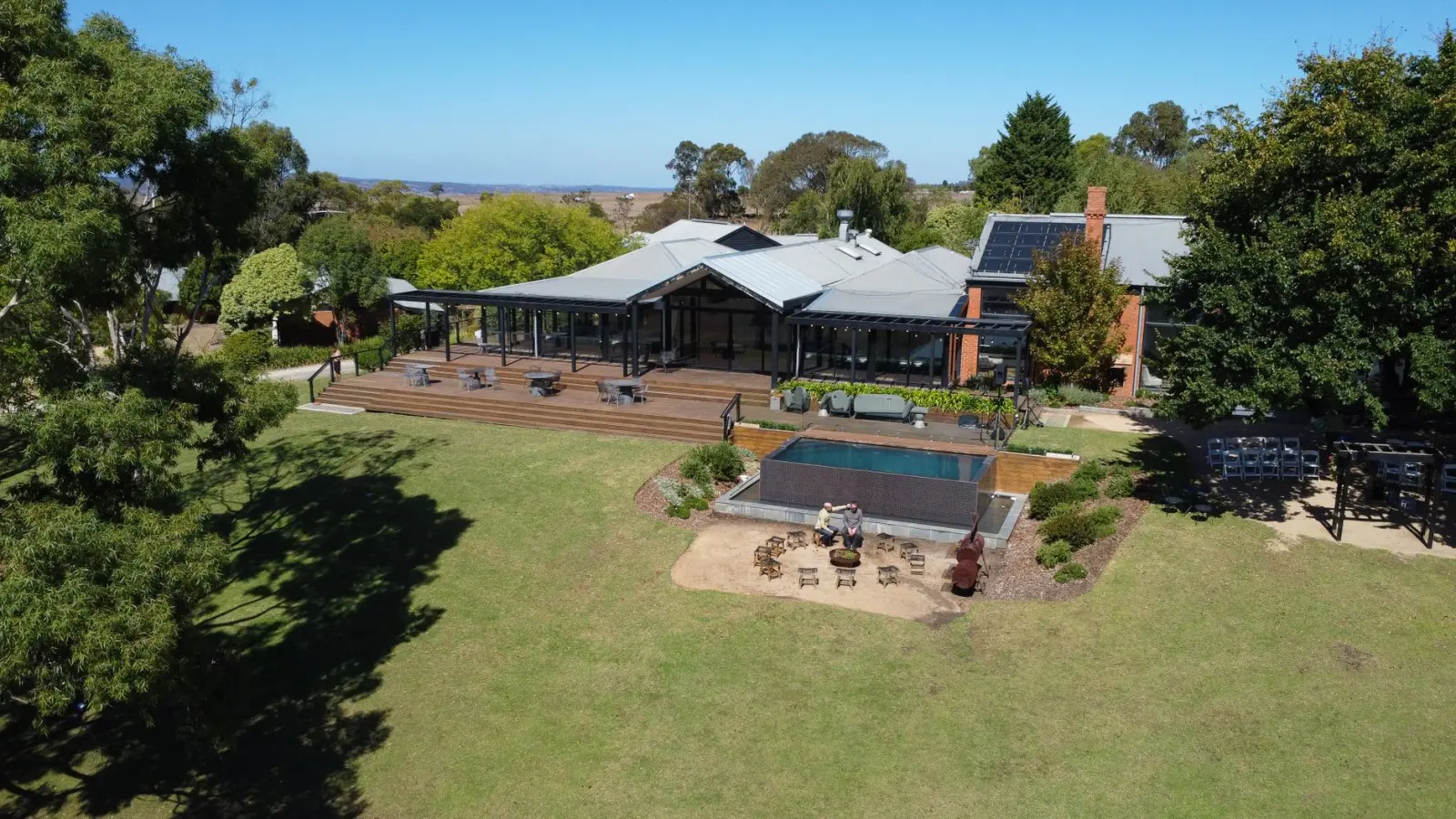
The most obvious change is the move toward outdoor living spaces that actually get used year-round. Not the aspirational alfresco dining areas that sit empty nine months of the year, but functional extensions of the home. Decks, pergolas, and covered patios have become less about entertaining and more about creating usable square footage. Families are treating the backyard as an extra room, especially in warmer climates where the outdoor season stretches longer. I’ve noticed the quality of these builds has improved too – people are investing in proper drainage, durable materials, and shade solutions rather than throwing up a quick structure.
Energy efficiency isn’t optional anymore
Ten years ago, energy upgrades felt like a luxury add-on. Now they’re becoming standard. Double glazing, better insulation, and heat pump systems are no longer niche choices. The cost of electricity has pushed this shift hard. I see homeowners making decisions based on long-term running costs rather than upfront price alone. Solar panels have moved past the novelty stage – they’re practical infrastructure. What’s changed is the sophistication. People aren’t just slapping panels on a roof; they’re thinking about battery storage, load management, and how it integrates with their heating and cooling systems.
The interesting part is how this intersects with renovation timing. Many people are bundling energy upgrades with other work – replacing windows during a renovation, upgrading insulation when the roof comes off, installing heat pumps alongside kitchen renovations. It makes financial sense and reduces disruption. But I’ve also seen cases where homeowners retrofit energy solutions into homes that weren’t ready for them, leading to condensation problems or systems that don’t perform as expected. The sequencing matters.
Kitchen and bathroom layouts are changing shape
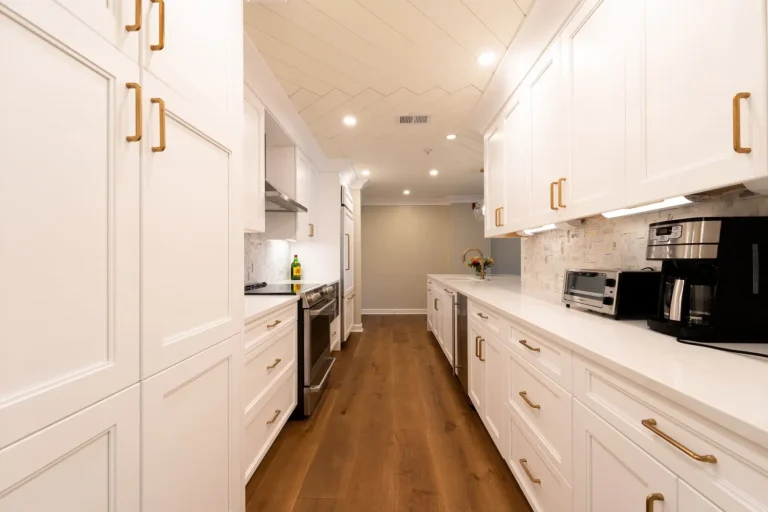
The open-plan kitchen trend hasn’t reversed, but it’s being refined. What I’m seeing now is more thought going into how kitchens connect to living spaces without completely erasing boundaries. Partial walls, sliding doors, and strategic placement of islands are creating flexibility. People want to cook while still being part of family life, but they also want to hide mess and cooking smells when needed.
Bathrooms are becoming more practical and less trendy. The spa-like bathroom fantasy still exists, but most renovations I encounter are focused on storage, ventilation, and durability. Walk-in showers with proper drainage are replacing baths in many homes. Heated towel rails and exhaust fans that actually work are priorities. Tile choices lean toward neutral, easy-to-clean options rather than statement pieces. This reflects a shift toward homes that work hard rather than look perfect.
Material choices are driven by climate and longevity
Australian conditions are harsh. Materials that look good in a showroom often fail in real homes. I’ve seen expensive finishes deteriorate within a few years because they weren’t suited to local climate. Composite decking, for instance, has become popular because it handles moisture and UV better than timber, even though the initial cost is higher. Engineered stone benchtops have mostly replaced natural stone in kitchens because they’re more practical for daily use.
There’s also a growing awareness of what happens after installation. Maintenance expectations are shifting. Homeowners are asking harder questions about longevity, repair costs, and whether something can be easily replaced if it fails. This is particularly true in wet areas. Waterproofing has become less of an afterthought and more of a central concern, especially after seeing problems in homes built during the construction boom.
Storage and flexible spaces matter more than size
The obsession with bigger homes has cooled. What I’m observing instead is a focus on making existing space work better. Built-in storage, multipurpose rooms, and clever use of vertical space are becoming standard renovation elements. Home offices that can close off from living areas, storage walls that hide clutter, and flexible furniture arrangements are priorities.
This is partly driven by cost – renovating existing space is cheaper than building new – but also by changing work patterns. The pandemic accelerated this, but it’s stuck around. People need a proper desk space that isn’t the kitchen table. They want to separate work from home life without moving house. Renovations are being designed with this flexibility in mind.
Flooring choices have also become more practical. Polished concrete, hybrid vinyl, and large-format tiles are replacing traditional timber and carpet in many homes. They’re easier to maintain, handle temperature swings, and work across different zones. The aesthetic has shifted from “warm timber home” to “clean, functional space.” It’s not necessarily colder – it’s just more honest about how homes are actually lived in.
What strikes me most is how much Australian renovations now reflect reality rather than aspiration. People are building homes that work in heat and humidity, that don’t require constant maintenance, that adapt to how families actually live. The trends that are sticking are the ones solving real problems. Everything else – the design fads, the Instagram-worthy finishes – tends to fade quickly. The homes that feel right in five years are the ones built on practicality first.