
Over the past decade, I’ve watched Australia’s electricity market transform in ways that caught most people off guard. The grid we inherited was built for a different era – centralised coal plants feeding power outward to consumers. That model is breaking down, not because of ideology, but because the economics have shifted and the physics of the system is changing in real time.
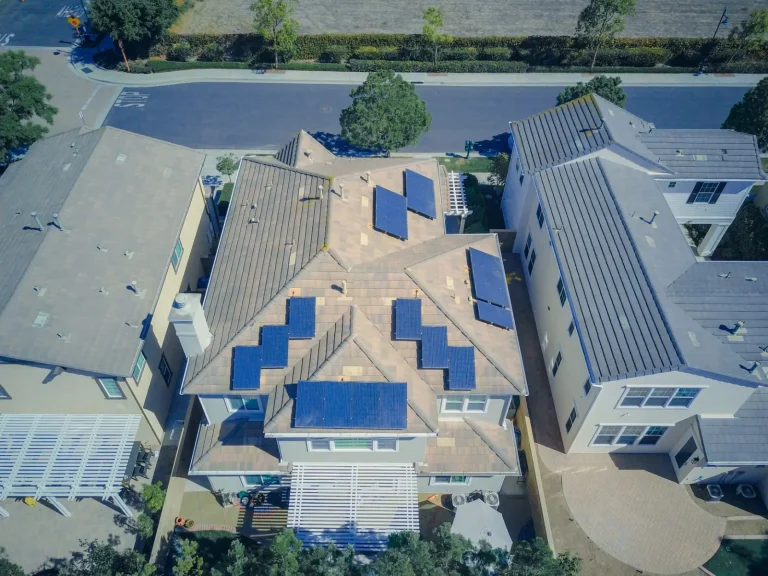
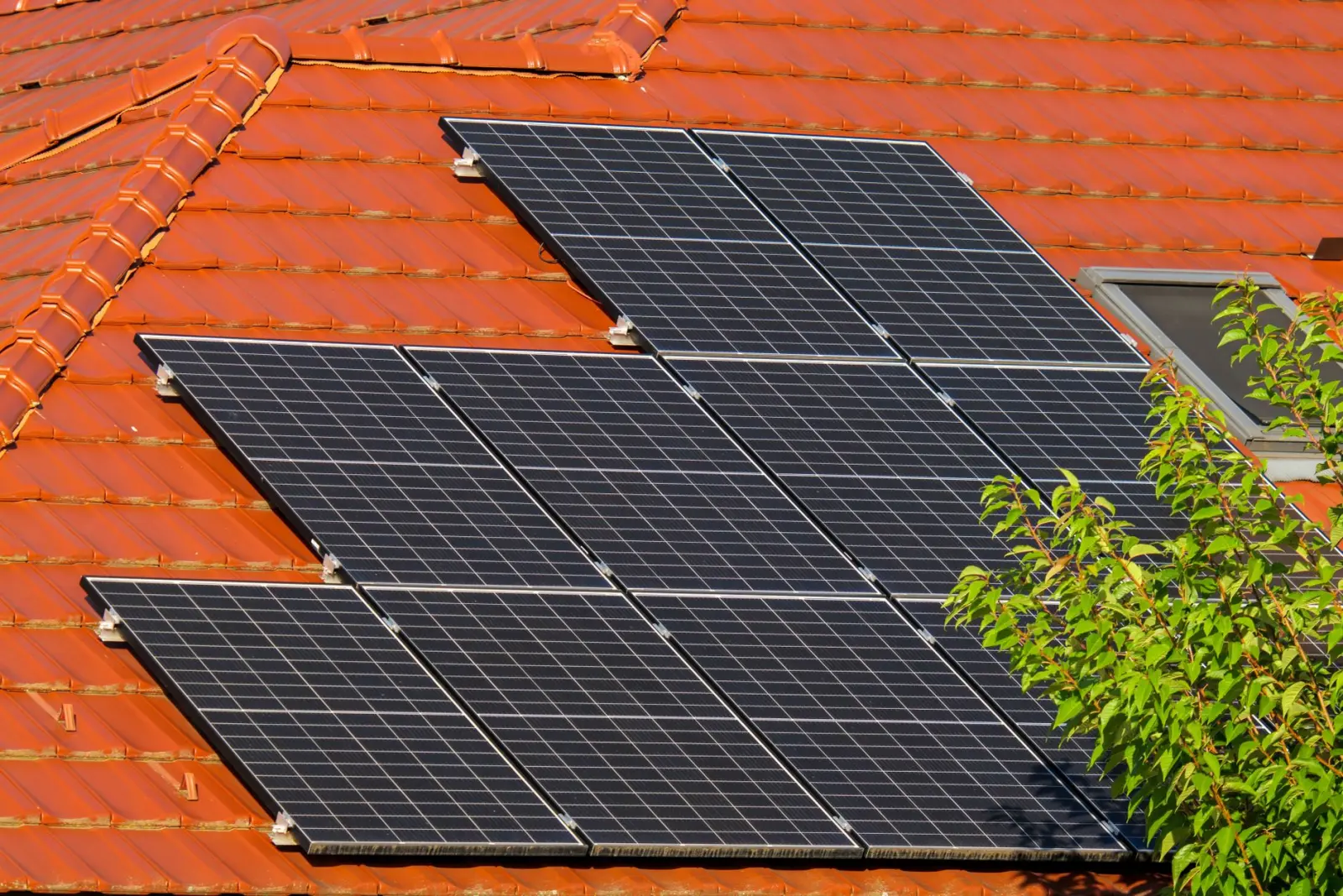
The shift isn’t hypothetical anymore. I’ve seen it play out in residential areas where rooftop solar now generates more power than the local network can handle during midday, forcing grid operators to actively manage what used to be a one-way flow of electricity. That’s a fundamental problem that no amount of incremental tinkering solves. It requires rethinking how the entire system operates.
What strikes me most is how quickly the conversation has moved from “should we invest in renewables” to “how do we keep the lights on when everyone’s solar panels are generating at once and nobody’s using power.” That’s not a rhetorical question anymore. It’s the central operational challenge.
The Grid Wasn’t Built for This
Australia’s transmission and distribution network was engineered around predictable, centralised generation. Power flowed from a handful of large plants through high-voltage lines to substations, then down to homes and businesses. Operators could forecast demand, adjust output, and maintain stability. The system had inertia – literally, from spinning generators – that kept frequency stable even when demand shifted suddenly.
Distributed solar and wind change that equation entirely. A cloud passing over a suburb can drop local generation by megawatts in seconds. Battery storage helps, but it’s not a complete solution because batteries have finite capacity and discharge rates. The grid now has to absorb rapid fluctuations it was never designed to handle, and it has to do this with less synchronous inertia from traditional generators.
I’ve observed this playing out in real time through network congestion. Areas with high solar penetration now experience reverse power flow – electricity flowing back into the distribution network – during peak generation hours. This wasn’t contemplated in the original design. Transformers, switchgear, and protection systems all have limits. When you exceed them, you don’t get a graceful degradation. You get constraints, curtailment, or in extreme cases, disconnection of renewable sources.
Battery Storage as Infrastructure, Not Just Backup
Battery systems have moved beyond being a nice-to-have backup for homes. They’re becoming essential grid infrastructure. The scale matters here. A 10 kWh home battery is useful for load shifting and resilience, but it’s a drop in an ocean when you’re talking about stabilising a state-wide grid. That’s why we’re seeing utility-scale battery projects proliferate – not because they’re trendy, but because they’re operationally necessary.
What I’ve learned from working with both residential and grid-scale systems is that batteries solve a specific problem: they can respond instantly to frequency deviations and provide voltage support. They can’t replace baseload generation entirely, but they can bridge the gap between variable renewable generation and demand. The cost curve has been steep enough that this is now economically viable in ways it wasn’t five years ago.
The challenge is that battery economics still depend on how often they cycle and what services they provide to the grid. A battery that sits idle most of the time is an expensive asset. The future market will need to value frequency control, voltage support, and congestion management alongside energy arbitrage. That’s a more complex market design than what currently exists.
Demand Response and Time-of-Use Pricing
One of the least discussed but most important shifts is how electricity pricing and consumption patterns will have to change. The grid can’t remain stable if everyone charges their electric vehicle at 6 PM or runs air conditioning at peak demand. That’s not a capacity problem that more generation solves – it’s a timing problem.
Smart meters and dynamic pricing are the infrastructure for managing this. I’ve seen early implementations in some networks, and the pattern is clear: when people can see real-time pricing and adjust consumption accordingly, demand flattens. It’s not dramatic, but it’s measurable. A 10-15% shift in peak demand is significant at grid scale.
The friction point is that people don’t want to think about when they use electricity. They want to plug in their car and have it charge. That’s a reasonable expectation, but it’s incompatible with a grid that’s 80% variable renewables. The solution involves automation – smart charging systems that respond to grid signals without user intervention – but that requires investment in both hardware and software that’s still rolling out unevenly across the country.
Transmission Constraints and Regional Bottlenecks
The grid’s backbone – the high-voltage transmission network – is becoming a limiting factor. Renewable resources aren’t always where demand is. Wind farms in South Australia need to send power to Melbourne. Solar in inland Queensland needs to reach the coast. The transmission lines that carry this power have finite capacity, and building new ones takes years and enormous capital investment.
I’ve watched projects stall because of transmission constraints that nobody anticipated. A solar farm can be built in 18 months, but the transmission infrastructure to connect it to the grid takes twice as long. This creates a mismatch between generation capacity and the ability to deliver it where it’s needed. It’s a real bottleneck, not a theoretical one.
Some of this is being addressed through network augmentation and undergrounding of existing lines, but the pace is slow. There’s also growing interest in distributed generation and local microgrids as a way to reduce transmission dependency, but that’s a longer-term shift and requires different regulatory frameworks than currently exist.
The Regulatory Framework Lag
One of the most frustrating observations is how slowly regulatory frameworks adapt to physical reality. The National Electricity Market was designed for a different grid. Rules around frequency control, voltage management, and network access were written for a system with synchronous generators. Distributed solar and batteries operate differently, and the rules haven’t caught up.
I’ve seen solar installations limited or delayed because the network couldn’t accommodate them under existing rules, even though technically the grid could handle them with minor adjustments. The regulatory process to make those adjustments is glacial. Meanwhile, technology continues to advance and the mismatch grows.
There’s movement on this – the Australian Energy Market Operator has been updating technical standards – but it’s happening incrementally. The system needs clearer rules about how distributed resources can participate in grid services, how they’re compensated, and what obligations they have. Until that’s settled, investment remains uncertain and deployment is slower than it could be.
The electricity market over the next decade will look fundamentally different from today’s system. It won’t be a simple transition from coal to renewables. It will be a more complex, distributed, and dynamic grid that requires constant balancing of generation, storage, and demand. The physics won’t change, but the operational reality will be transformed by technology and economics that are already in motion.