
After spending years working on homes in coastal communities, I’ve watched the relationship between water and structure shift in ways that go beyond seasonal flooding. Rising sea levels aren’t just a future concern – they’re already changing how homes age, how materials fail, and what kinds of damage show up in places homeowners never expected. The challenge isn’t dramatic all at once. It’s gradual, persistent, and often invisible until it becomes expensive.
What I see most often is that people think about sea level rise as a binary event: either the water comes or it doesn’t. The reality is messier. Groundwater tables are rising in many coastal areas, which means water pressure is building from below, not just threatening from the edges. Basements and crawl spaces that stayed dry for decades now weep moisture year-round. Salt spray reaches farther inland than it used to. The soil itself becomes more saturated, which changes how it settles and how foundations respond to that movement.
The Foundation Problem Nobody Plans For
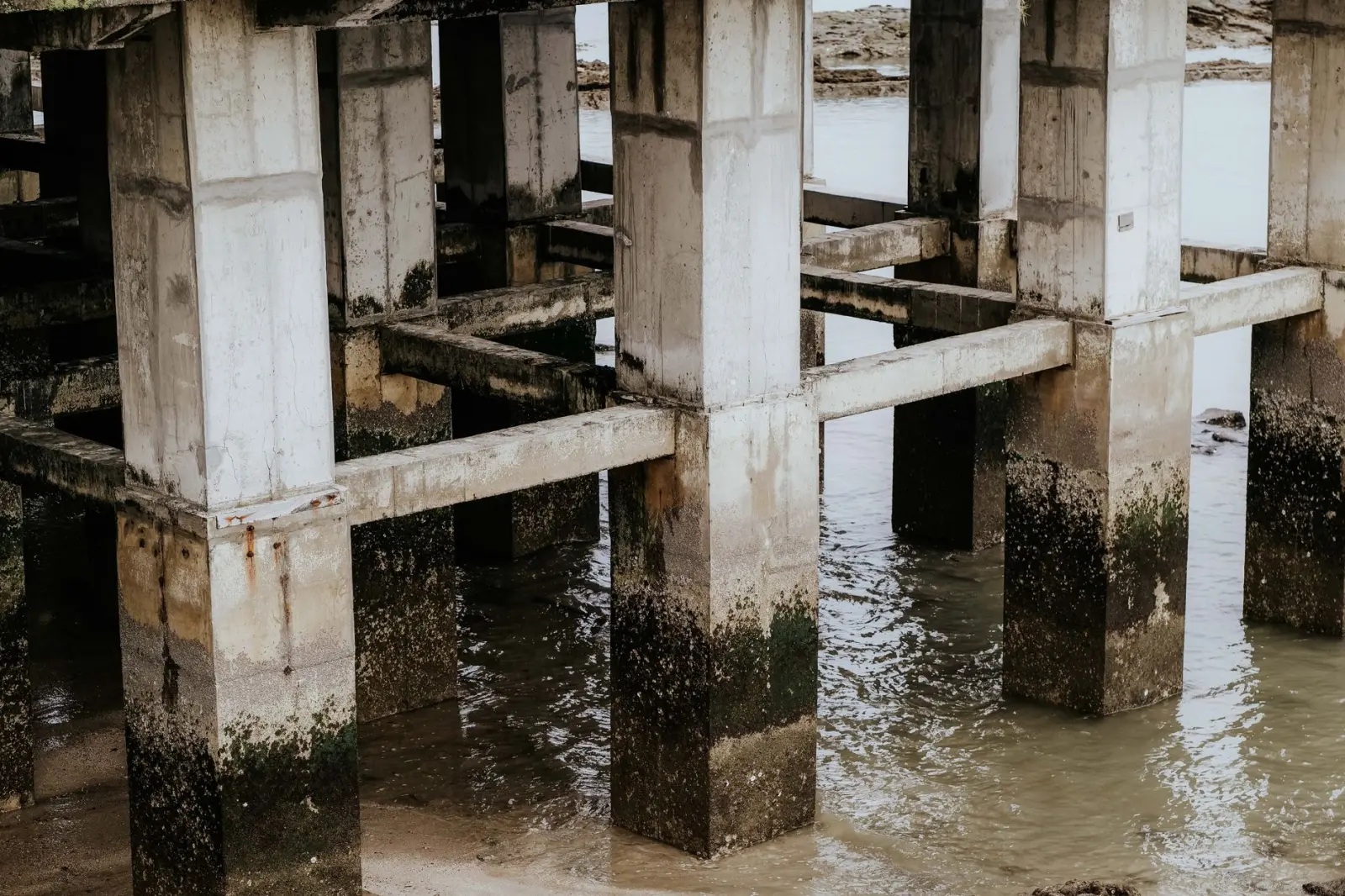
Foundations in coastal areas were designed with historical water tables in mind. When that baseline shifts upward – sometimes by just a few inches per year – the assumptions built into the original construction start to fail. I’ve seen concrete foundations that showed no cracks for forty years suddenly develop them in a pattern that tells me water pressure is pushing from below. Piers and pilings that were set at depths that made sense in 1980 are now sitting in permanently saturated soil, which accelerates corrosion of steel components and promotes rot in wooden support members.
The damage doesn’t announce itself loudly. A homeowner might notice doors that stick in ways they didn’t before, or floors that have developed a slight slope where they were level. These are signs that the foundation has shifted, and rising water tables are often the culprit. Once you start seeing that kind of movement, the repair costs climb quickly. You can’t just dry out the soil and expect it to stabilize again. The new water table is the new normal.
Materials Fail Differently in Saltwater Environments
Salt changes everything about how materials age. Steel reinforcement in concrete corrodes faster in saltwater-saturated soil. Mortar in masonry walls breaks down more quickly when salt crystals form and expand inside the material. Wood, even treated wood, loses integrity faster when it cycles between wet and dry conditions in a salty environment. I’ve replaced rim joists and band boards in coastal homes that looked sound from the outside but were soft and compromised where they met the foundation – the salt and moisture combination had essentially dissolved the wood from within.
What’s tricky is that you can’t always see this happening. A basement wall might look fine while the concrete is quietly being eaten away by salt penetration. Wooden framing members can look solid while the interior is becoming punky. By the time the damage is obvious, the repair scope has usually expanded beyond what a homeowner anticipated. This is why I recommend more frequent inspections in coastal areas, particularly in the basement, crawl space, and anywhere wood meets concrete or soil.
Water Management Becomes a Permanent System
In older coastal homes, gutters and downspouts were often an afterthought. Water management was something that happened naturally – rain fell, it drained away, and that was that. Now, with higher water tables and more intense precipitation events, passive drainage isn’t enough. I’m seeing more sump pumps installed, more French drains being added, and more grading work being done to direct water away from foundations. These aren’t one-time fixes. They’re ongoing systems that need maintenance, power, and attention.
A sump pump that works fine for ten years can fail at the exact moment you need it most. The discharge line can freeze in winter or get clogged with sediment. The backup battery system degrades. I’ve learned to treat these systems like any other critical home infrastructure – they need regular testing and replacement on a schedule, not just when they stop working. The cost of maintaining these systems is real, but it’s far less than the cost of water damage in a basement or crawl space.
Soil Composition Changes How Everything Sits
Rising water tables don’t just wet the soil – they change its bearing capacity. Soil that was firm and well-draining becomes soft and unstable. This affects not just the foundation, but also how fences, decks, and outbuildings settle over time. I’ve seen deck posts sink unevenly because the soil around them became saturated. Fence lines that were straight now have noticeable waves. These might seem like cosmetic issues, but they’re indicators that the ground itself is becoming less reliable as a stable base for structures.
In some coastal areas, the soil composition itself is changing. More clay content, more organic material, more salinity – all of these shift how the soil behaves under load and how it responds to water. A contractor who worked in a coastal area twenty years ago might not recognize the current soil conditions. This is why I always recommend a soil assessment if you’re planning significant work or repairs, particularly if you’re adding weight to the foundation or making changes to drainage patterns.
Adaptation Requires Rethinking the Whole System
What I’ve noticed is that the most resilient coastal homes aren’t the ones that fight the water – they’re the ones that accommodate it. Elevated utilities, waterproofed lower levels, permeable surfaces that allow water to drain rather than pool, and materials chosen specifically for salt and moisture resistance. These aren’t cheap modifications, but they’re less expensive than repeated repairs to structures that are slowly being undermined by water and salt.
The challenge for most homeowners is that these adaptations require accepting that the old approach to coastal living isn’t sustainable anymore. You can’t just maintain a coastal home the way your parents did. The environment has changed. The water table is higher. The salt spray reaches farther. The soil is wetter. Working with these realities rather than against them is what separates homes that hold up well from those that develop serious problems within a decade.
I’ve worked on enough coastal properties now to see patterns. The homes that stay sound are the ones where the owners understand that rising sea levels mean rising maintenance complexity. They budget for regular inspections, they maintain their water management systems, and they make material choices with the understanding that everything will be exposed to more moisture and salt than it would have been in the past. It’s not about panic or dramatic action. It’s about accepting the new baseline and building a maintenance strategy that accounts for it.