
Australia’s infrastructure landscape is undergoing a quiet but significant reshaping. Over the past decade, I’ve watched the conversation shift from theoretical climate targets to actual construction sites, grid upgrades, and housing retrofits. The reality on the ground is messier than policy documents suggest, and far more dependent on infrastructure investment decisions made today than most homeowners realize.
When we talk about a low-carbon economy, we’re not just discussing solar panels on roofs or electric vehicles in driveways. We’re talking about the backbone systems that make those choices viable: transmission lines that can handle distributed energy, water infrastructure built for climate variability, gas networks that may become stranded assets, and building stock that can operate efficiently without constant air conditioning or heating strain. These systems take decades to build, and they’re expensive. How Australia invests now determines whether the low-carbon transition is smooth or chaotic.
The Grid Problem Nobody Talks About
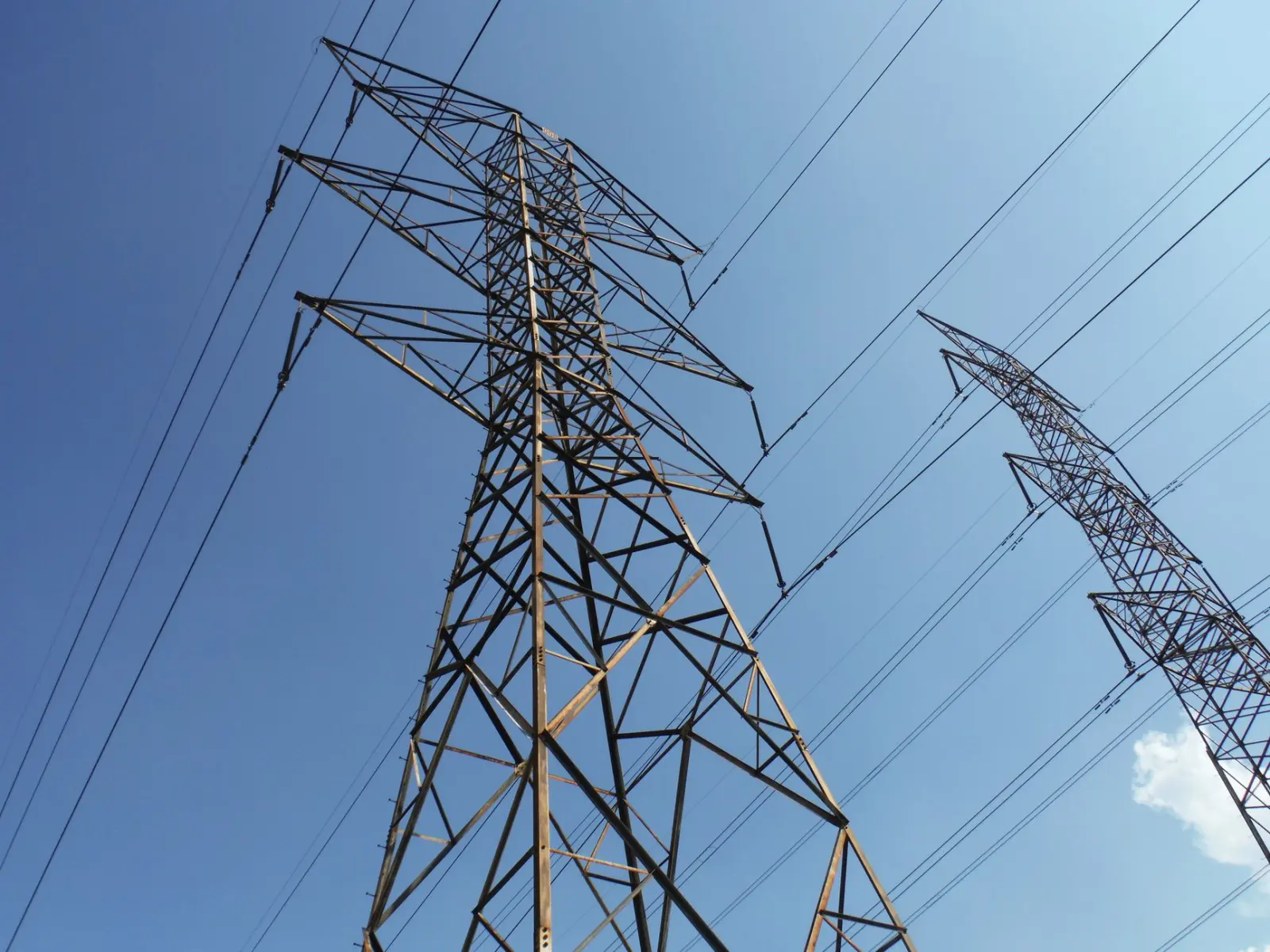
The most critical infrastructure gap I see isn’t in renewable generation – Australia has plenty of solar and wind capacity being added. The problem is transmission. Our electricity grid was built for centralized coal and gas power plants in specific locations. Renewable energy is distributed. A solar farm in western NSW needs different infrastructure than a coal plant in the Hunter Valley. The poles, wires, and substations that connect homes and businesses to that energy source are aging, and they weren’t designed for bidirectional power flow from rooftop solar systems.
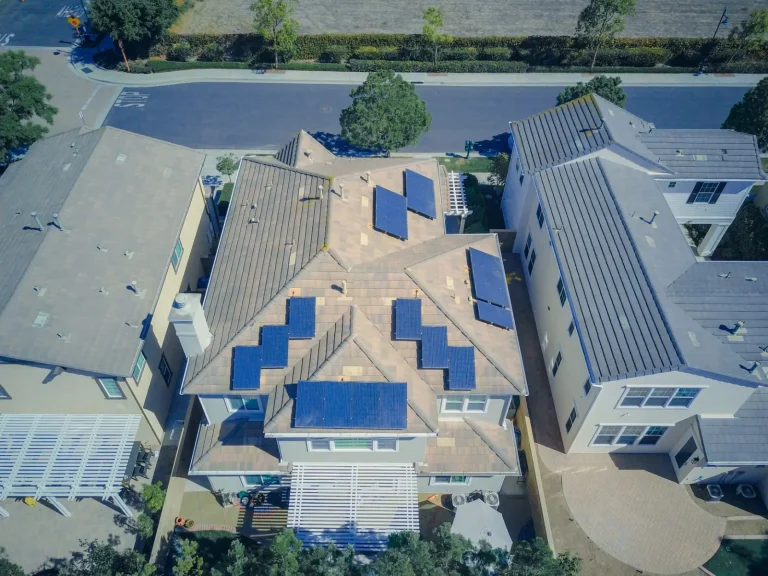
I’ve worked with homeowners who installed high-capacity solar systems only to find their local network couldn’t accept the excess power they generated during peak production hours. The grid connection rules change frequently because the infrastructure itself is struggling to adapt. This isn’t a minor inconvenience – it’s a fundamental constraint on how quickly household and business energy systems can transition. Upgrading transmission infrastructure requires years of planning, environmental assessment, and capital investment. It’s unglamorous work that doesn’t make headlines, but without it, the low-carbon transition stalls.
State governments and energy companies are investing in network upgrades, but the pace is uneven. Some regions have modern, flexible infrastructure. Others are years behind. This creates a postcode lottery where your ability to participate in the low-carbon economy depends partly on where you live and whether your local network has received recent investment.
Building Stock and Thermal Performance
Australia’s residential building stock is older and less thermally efficient than most people assume. The majority of homes were built without modern insulation standards, with single-glazed windows, and with minimal consideration for passive heating and cooling. These homes consume enormous amounts of energy just to maintain comfortable temperatures. A low-carbon economy can’t be built on top of inefficient buildings – the math doesn’t work.
Infrastructure investment in building performance means retrofitting existing homes and setting higher standards for new construction. This is slow, expensive, and requires sustained funding. Insulation, window replacement, heat pump installation, and solar integration all cost money upfront. Governments have introduced various schemes and incentives, but the scale of investment required far exceeds what’s currently being deployed. I’ve seen homeowners make incremental improvements – adding insulation, upgrading to reverse-cycle air conditioning – but comprehensive retrofits remain the exception rather than the norm.
New buildings are being constructed to better standards, but they represent a small fraction of the total housing stock. The infrastructure challenge here is less about technology and more about capital allocation and financing mechanisms. How do we fund the retrofit of millions of homes over the next two decades? Who bears the cost? These questions remain partially answered, and the infrastructure investment reflects that uncertainty.
Water and Waste Systems in a Changing Climate
Infrastructure for water and waste management is quietly becoming a low-carbon issue. Traditional centralized water and sewerage systems require significant energy for treatment and distribution. As climate patterns shift, water availability becomes less predictable in many regions. Infrastructure investment is increasingly focused on distributed systems: rainwater harvesting, greywater recycling, on-site treatment, and localized waste processing.
These aren’t new technologies, but deploying them at scale requires different infrastructure thinking. A home with a rainwater tank and greywater system needs different plumbing standards and maintenance protocols than a home entirely dependent on mains water. Waste management infrastructure is similarly evolving toward decentralization and resource recovery rather than centralized landfill disposal. These shifts require investment in new systems while maintaining or transitioning away from old ones – a costly, complex process.
I’ve observed that infrastructure investment in these areas tends to be reactive rather than proactive. Regions facing water stress invest in alternatives. Others continue with traditional systems. This fragmented approach means Australia’s low-carbon infrastructure development is uneven, with some areas building resilient, distributed systems while others remain dependent on aging centralized infrastructure.
Transport Infrastructure and the EV Transition
Electric vehicle adoption is often framed as a personal purchasing decision, but it’s fundamentally an infrastructure problem. Charging networks need to be built before mass EV adoption becomes viable. This requires investment in charging stations at homes, workplaces, and public locations. It requires upgrades to local electricity networks to handle simultaneous charging loads. It requires standards for interoperability and payment systems.
Australia’s EV charging infrastructure is developing, but it remains sparse outside major cities. Rural and regional areas have limited options. This creates a practical barrier to EV adoption that no amount of vehicle subsidies can overcome. The infrastructure investment required is substantial, and it’s not always clear who should fund it – vehicle manufacturers, energy companies, governments, or property owners.
I’ve also noticed that transport infrastructure investment often neglects active transport. Cycling and walking infrastructure requires less capital than EV charging networks, but it requires consistent, coordinated investment across local councils and state governments. The low-carbon economy benefits from reduced vehicle use overall, not just from switching to electric vehicles. Infrastructure investment that prioritizes active transport has been modest compared to road and EV infrastructure spending.
Industrial and Commercial Infrastructure
Beyond residential systems, industrial and commercial infrastructure is central to Australia’s low-carbon transition. Manufacturing facilities, data centers, and commercial buildings consume enormous amounts of energy. Infrastructure investment here includes renewable energy generation, energy storage, process electrification, and waste heat recovery systems. The scale is larger, the capital requirements are higher, and the timelines are longer than residential projects.
Some sectors are investing heavily – data centers are increasingly powered by renewable energy, and some manufacturing facilities are electrifying processes. But this remains patchy. Infrastructure investment decisions in these sectors are driven by economics and regulatory requirements, not by climate goals alone. When carbon pricing is weak or absent, the financial case for infrastructure investment in low-carbon systems is weaker.
The interconnection between industrial infrastructure and the broader energy system is significant. A large industrial facility switching from gas to electric heating or process power affects local network capacity. These interactions require coordinated infrastructure planning at regional and state levels. I’ve seen cases where industrial clients wanted to invest in low-carbon infrastructure but faced network constraints that delayed projects by years.
Australia’s infrastructure investment in low-carbon systems is real but uneven. Some regions and sectors are moving quickly; others lag. The grid is being upgraded, but transmission remains a bottleneck. Building stock is improving, but retrofits are slow. Water and waste systems are becoming more distributed, but the transition is incomplete. Transport infrastructure is shifting toward EVs and active transport, but coverage is patchy. The underlying challenge isn’t technology or policy – it’s capital allocation at scale. The infrastructure we build today determines the low-carbon economy we’ll have in 2035 and beyond. Right now, that investment is happening, but not fast enough or consistently enough to eliminate the friction points that slow the transition.