
After years of watching energy bills climb and hearing about grid strain during peak demand, I’ve seen firsthand how Australia’s net zero commitments are beginning to reshape what homeowners and businesses actually pay for power. It’s not a distant policy debate anymore. The transition is moving through the economy in ways that are both obvious and subtle, affecting everything from the materials we use in renovations to the systems we install in our homes.
The net zero target – reaching zero net greenhouse gas emissions by 2050 – sounds abstract until you’re standing in a suburban garage looking at the cost of a heat pump retrofit, or watching a regional manufacturing plant adjust its energy sourcing. The economic implications aren’t uniform. Some households will benefit from lower energy costs and new job opportunities. Others will face genuine disruption, particularly in regions built around coal mining or coal-fired power generation.
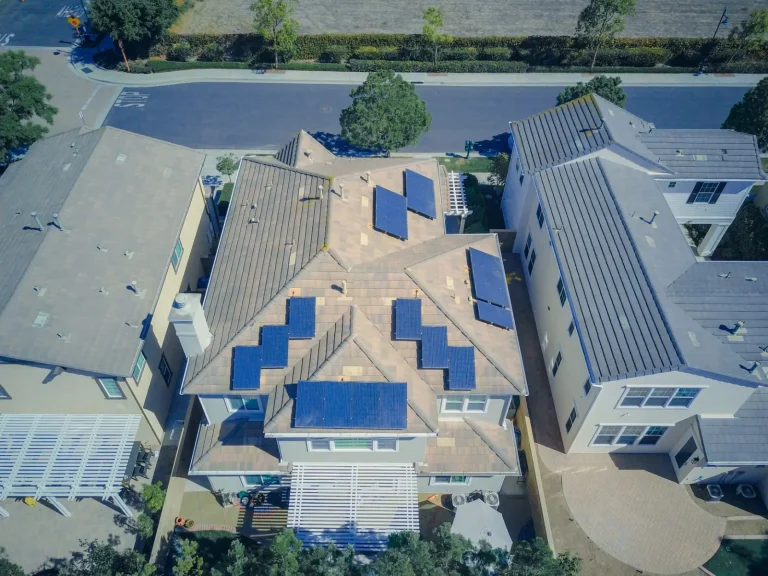
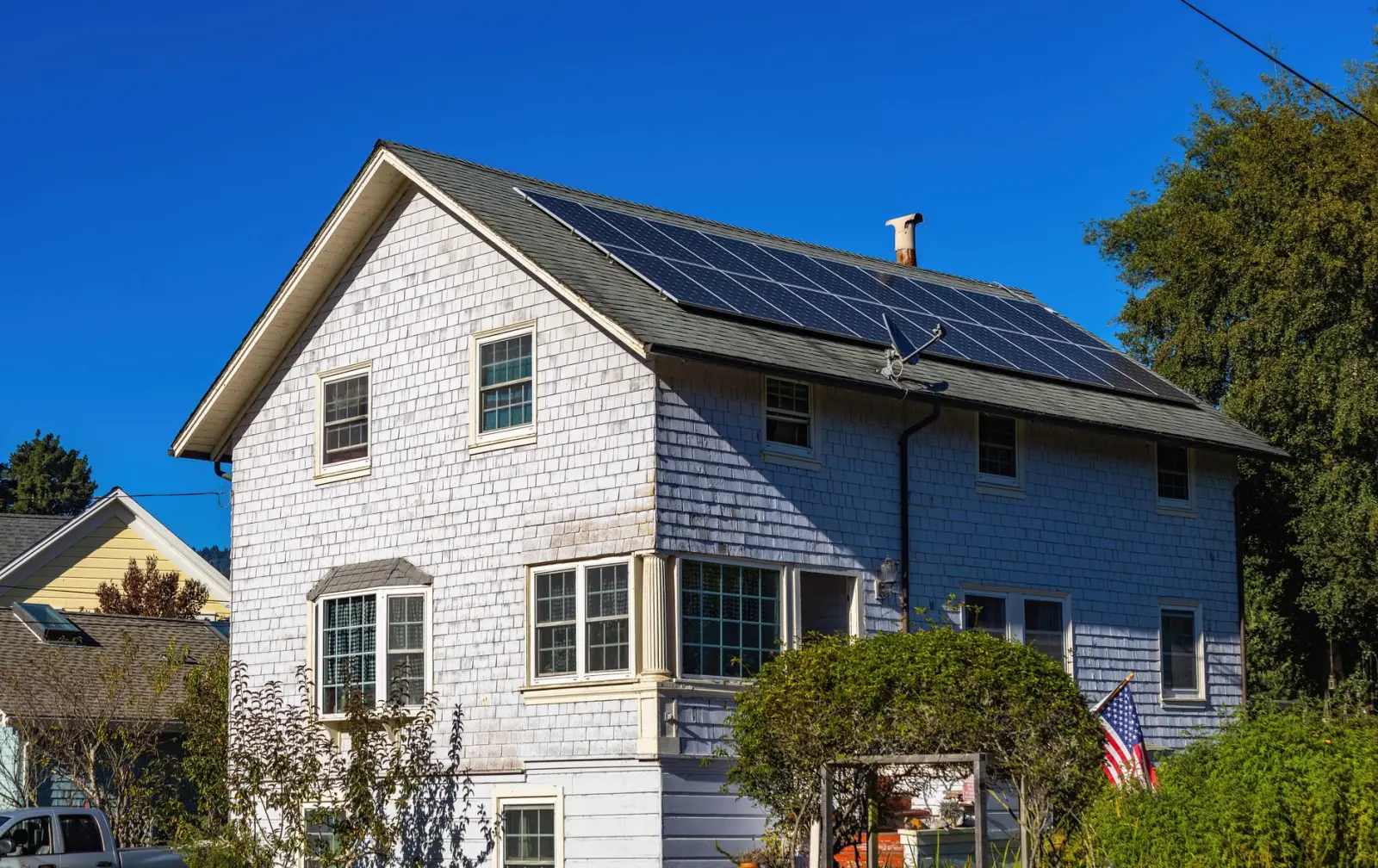
What strikes me most is how much of the transition hinges on decisions made at the household level. Solar installations, battery storage, heat pump adoption, insulation upgrades – these aren’t just environmental choices. They’re becoming financial decisions that reshape household budgets and, collectively, how the broader economy functions.
The Household Cost Equation
In my experience, most homeowners approach net zero thinking about electricity bills. That’s the visible part. What’s less obvious is how the transition redistributes costs across the energy system. When households install rooftop solar, they reduce their grid consumption during the day, which sounds straightforward. But it also means the fixed costs of maintaining the grid – the poles, wires, and infrastructure that keep power flowing – get spread across fewer kilowatt-hours sold. That can push up per-unit electricity prices for households that can’t or won’t install solar, creating a widening gap between energy-independent homes and those that remain grid-dependent.
Battery storage complicates this further. A household with solar and a 10 kWh battery can shift their consumption patterns, charging during low-price periods and using stored power during peak times. That’s economically rational for the household, but it changes the load profile the grid operator sees. As more households do this, the grid has to maintain capacity for peak demand even as the pattern of that demand becomes less predictable. The infrastructure cost doesn’t disappear – it gets redistributed.
Heat pumps represent another layer of cost shifting. They’re significantly more efficient than gas heating, which means lower energy consumption for the same comfort level. But they also mean higher upfront capital costs and, in some cases, electrical upgrades to the home’s service. A household that switches from gas heating to a heat pump might see their electricity consumption rise even as their total energy bill falls. That changes their exposure to electricity price movements and grid reliability.
Regional Employment and Industrial Adjustment
The hardest economic impacts I’ve observed aren’t in the cities. They’re in regions where energy generation or resource extraction has been the primary employment base. Coal mining regions in Queensland and New South Wales are the obvious case, but the ripple effects extend to manufacturing towns that have relied on cheap, abundant coal-fired power.
These regions face genuine economic dislocation. A coal mine doesn’t simply transition to renewable energy installation. The skills, capital, and supply chains are entirely different. Workers in their 40s and 50s can’t easily retrain into solar installation or battery manufacturing. That’s not a failure of policy – it’s a reality of how economies actually work. The transition creates new jobs, but not always in the same places or for the same people.
What I’ve noticed is that the economic benefit of net zero tends to concentrate in areas that already have capital, education, and infrastructure. A wealthy suburb can absorb the cost of solar and battery upgrades. A regional manufacturing town dependent on coal-fired power faces years of adjustment, retraining programs that may or may not work, and population outflow as younger people leave for opportunities elsewhere.
Energy Market Structure and Pricing
The wholesale electricity market is already showing signs of stress under the transition. As solar and wind capacity increases, wholesale prices during the middle of the day have dropped significantly. That sounds good for consumers, but it creates problems for grid operators and generators. Wind and solar are intermittent – they generate when weather permits, not when demand peaks. That means the grid needs either massive battery storage capacity or dispatchable backup power.
Gas generators are currently filling that role, but they’re expensive to operate and increasingly uneconomical to build. The economics of the transition assume battery storage will eventually replace gas, but battery manufacturing capacity globally is still ramping up, and costs, while falling, remain substantial. In the meantime, there’s a period – probably 10 to 15 years – where the grid is expensive to operate because it needs to maintain both renewable capacity and backup generation that sits idle much of the time.
That cost shows up in electricity prices. Households and businesses see higher bills not because renewable energy is inherently expensive, but because the grid infrastructure needed to integrate high levels of variable generation is capital-intensive. The transition is economically necessary, but the interim period is economically painful for energy consumers.
Manufacturing and Supply Chain Shifts
I’ve watched Australia’s manufacturing base shrink over decades, and net zero is accelerating some of that trend while creating new opportunities in others. Solar panel manufacturing, for instance, has largely moved offshore. Australia imports most of its panels from Asia, which means the economic benefit of solar adoption flows partly to other countries. Battery manufacturing is starting to establish in Australia, but it’s capital-intensive and requires stable, long-term policy support to justify the investment.
Building materials are shifting too. Heat pump installation requires different skills and equipment than gas heating. Insulation and weatherproofing materials are becoming more important as homes shift toward electric heating. These changes create demand for new products and services, but they also mean existing supply chains and skilled trades have to adapt or become obsolete.
The net zero transition is also pushing Australia toward energy-intensive industries that can operate on renewable power. Hydrogen production, green steel, and battery manufacturing are being positioned as future growth areas. Whether Australia can actually compete in these sectors depends on whether we can deliver cheap renewable electricity reliably. That’s still an open question.
Investment and Capital Allocation
The sheer scale of capital required for net zero is reshaping investment patterns. Billions are flowing into renewable energy projects, grid infrastructure, and battery storage. That capital has to come from somewhere – it’s being redirected from other investments. That’s economically efficient if the net zero investments generate adequate returns, but it also means other sectors of the economy get less capital.
Superannuation funds and institutional investors are increasingly divesting from fossil fuel companies and investing in renewable energy and green technology. That’s changing the cost of capital for different industries. A coal company now pays higher interest rates on debt because investors see it as a stranded asset. A renewable energy company can raise capital more cheaply because investors see it as aligned with long-term economic trends. Over time, this reshapes which industries grow and which contract.
What I’ve observed is that the economic transition to net zero is already happening, even where government policy is unclear or contested. Capital markets are pricing in the transition, which means businesses that don’t adapt are increasingly at a disadvantage regardless of political support for coal or gas.
The net zero transition will reshape the Australian economy in ways that are both predictable and uncertain. Some regions and industries will thrive. Others will struggle through a period of adjustment that could last decades. Households will see lower energy costs in the long term, but the path to get there involves years of higher bills and capital investment. The economic outcome depends not just on policy, but on how quickly technology costs fall, how well supply chains adapt, and whether investment flows to the right places. It’s a massive economic shift, and we’re still in the early stages of seeing how it actually plays out.