
Australia’s manufacturing sector faces a fundamental recalibration. Over the past decade, I’ve watched facilities across the country grapple with a reality that initially felt abstract in boardrooms but becomes concrete on the factory floor: carbon constraints are no longer a future consideration. They’re operational now. The transition to low-carbon manufacturing isn’t a marketing initiative or a compliance checkbox. It’s reshaping how plants source materials, power equipment, and structure their entire production logic.
What strikes me most is how differently this manifests across sectors. A steel mill faces entirely different pressures than a food processor or electronics manufacturer. Yet there’s a common thread: the cost of carbon-intensive operations is rising, and the technical pathways to decarbonize are becoming clearer, even if they’re not always cheaper in the short term. The facilities making genuine progress aren’t waiting for perfect solutions. They’re making incremental shifts that compound.
Energy Systems and the Grid Dependency Problem
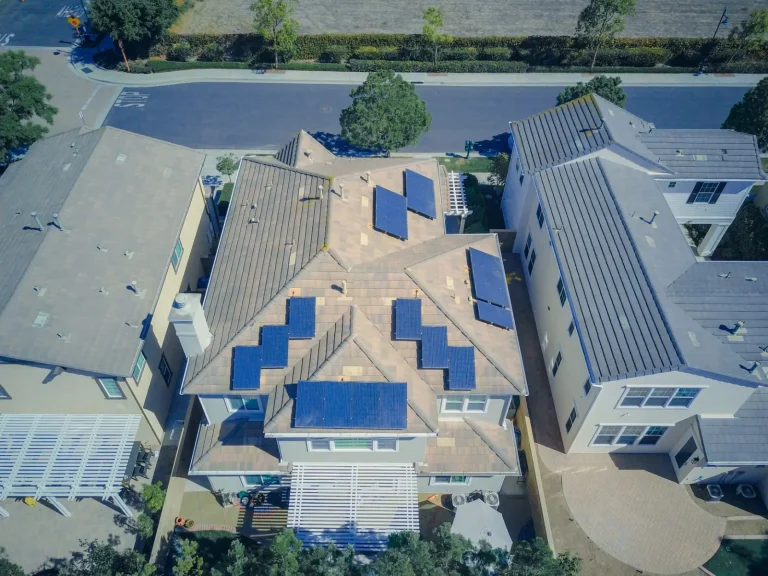
Most Australian manufacturers still rely on grid electricity, which has been steadily decarbonizing as coal plants retire and renewable capacity expands. But relying on grid improvement alone isn’t a strategy any serious operation can afford. I’ve seen plants invest in on-site solar installations, not because it’s trendy, but because it reduces exposure to volatile energy pricing and creates a measurable carbon reduction on their own balance sheet. A 500-kilowatt rooftop array on a manufacturing facility isn’t going to power the entire operation, but it handles baseline daytime load and improves the math significantly.
The challenge is that manufacturing processes don’t always align neatly with solar generation. A facility running three shifts needs consistent power. Battery storage is becoming more viable, but the economics are still tight for many operations. What I’ve observed is that manufacturers are increasingly bundling energy solutions: solar, battery backup for critical loads, demand management systems that shift non-essential processes to high-renewable periods, and grid contracts that incentivize off-peak consumption. It’s not elegant, but it works.
Industrial gas consumption presents a separate problem. Natural gas furnaces, kilns, and dryers are everywhere in Australian manufacturing, and they’re difficult to replace wholesale. Electrification is the obvious path, but retrofitting a facility to run on electric heating instead of gas requires capital investment that many mid-sized operations struggle to justify. Some are exploring hydrogen as a transition fuel, though the hydrogen supply chain in Australia is still developing. The reality is that most facilities will be running on gas for another decade, but they’re beginning to track it, measure it, and identify where switching makes economic sense.
Material Sourcing and Supply Chain Transparency
The carbon footprint of raw materials often exceeds the carbon cost of the manufacturing process itself. A manufacturer of metal components can’t ignore the emissions embedded in the steel they purchase. I’ve worked with several facilities that have shifted sourcing strategies not out of environmental zealotry, but because low-carbon steel, recycled aluminum, and sustainably sourced timber now carry competitive pricing or even cost advantages in certain markets.
What’s changed is visibility. Suppliers are being asked for emissions data with increasing frequency, and the ones who can provide it credibly have a market advantage. This creates a cascade effect. A large automotive supplier demanding low-carbon steel from its mills forces those mills to invest in cleaner production methods. The cost gets distributed through the supply chain, but it also drives innovation. I’ve seen mills implement electric arc furnaces and scrap-based production specifically because demand from major customers made the transition economically viable.
The complication is that transparency requires infrastructure. Not every supplier has the systems to measure and report their emissions accurately. Smaller manufacturers often lack the resources to audit their supply chains comprehensively. What’s emerging is a tiered approach: large operations conduct detailed audits and demand documentation, while smaller operations focus on high-impact materials and work with industry groups to develop standardized measurement approaches.
Process Efficiency and Hidden Opportunities
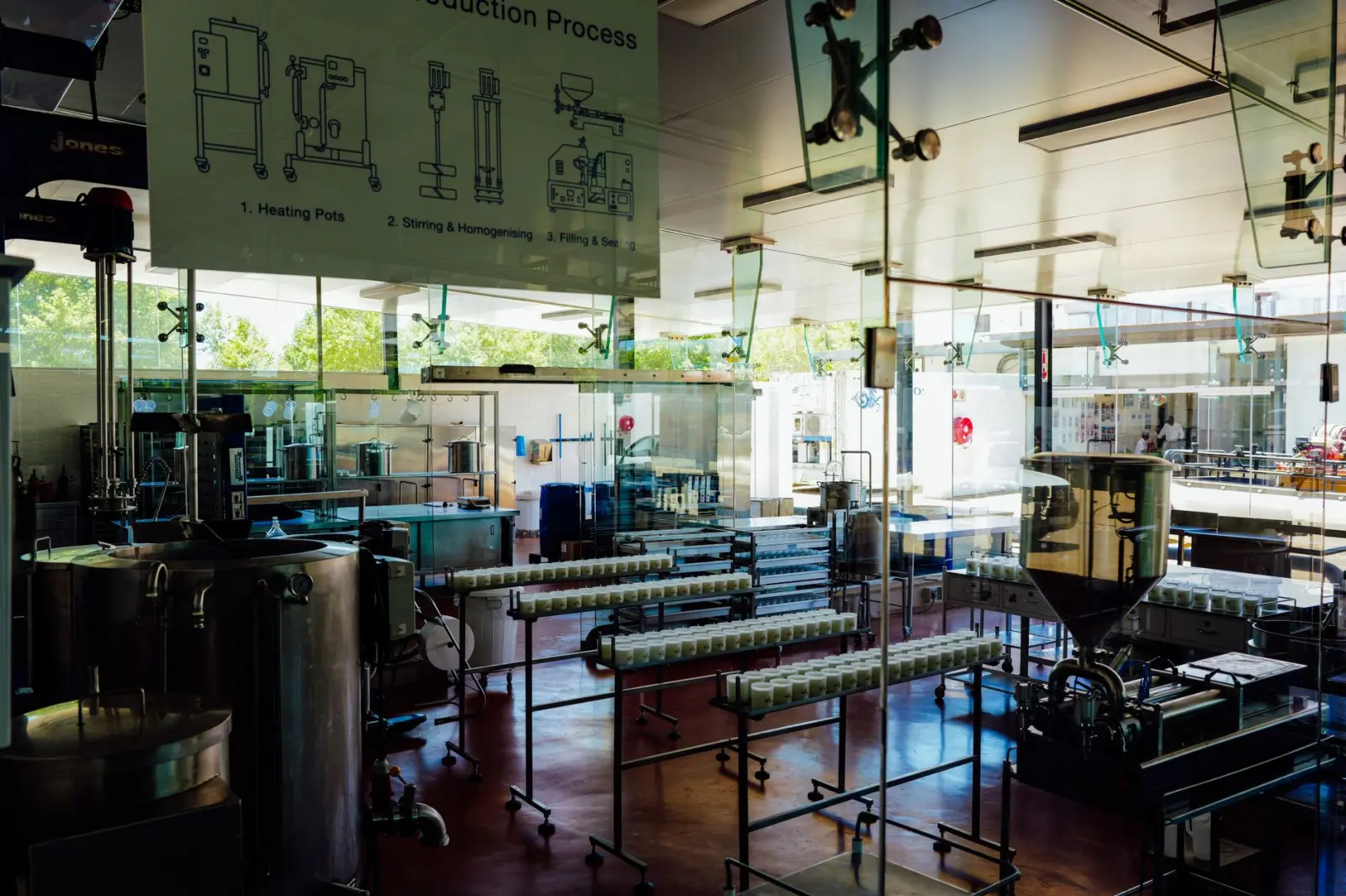
Before investing in new technology, most manufacturers should look at what they’re already wasting. Compressed air leaks, inefficient motors, poor insulation, and unnecessary process steps account for significant energy loss in many facilities. A thorough energy audit often reveals that 10 to 20 percent of energy consumption is essentially waste that could be eliminated with maintenance and minor operational changes.
I’ve seen facilities reduce energy intensity by 15 to 25 percent simply by upgrading to variable frequency drives on motors, fixing compressed air systems, and optimizing production scheduling to reduce idle time. These aren’t glamorous changes, but they’re economically straightforward: the payback period is typically three to five years, and the carbon reduction is immediate and measurable. The reason more facilities don’t prioritize this work is partly inertia and partly because it requires sustained attention rather than a single capital project.
Process redesign is where deeper changes happen. Some manufacturers are revisiting old production methods that were abandoned because energy was cheap. A facility making ceramics, for instance, might use batch kilns instead of continuous kilns because batch kilns can be optimized for smaller production runs with less wasted heat. The energy per unit might actually be lower with older technology if the process is designed around it. This requires rethinking production flow, which is disruptive, but it can yield significant improvements.
The Workforce and Skills Transition
Manufacturing’s low-carbon shift isn’t just about equipment and energy. It requires people who understand both the traditional process and the new systems. I’ve observed a skills gap emerging. Facilities need technicians who can work with renewable energy systems, battery management, advanced controls, and data analytics, while also maintaining expertise in core manufacturing processes. Some of this comes from retraining existing staff, which works well when the transition is gradual. Rapid changes create bottlenecks.
There’s also a cultural dimension. Operators and engineers who have spent decades optimizing for throughput and cost sometimes struggle with the logic of optimizing for carbon. It’s a different mental model. The facilities making the smoothest transitions are those that invest in education and involve their workforce in the change process, rather than imposing it from above.
Competitive Positioning and Market Signals
Australia’s manufacturing sector isn’t isolated. Global supply chains increasingly reward low-carbon producers. Some overseas customers now require carbon certifications or emissions data as a condition of contract. This creates real competitive pressure, particularly for export-oriented sectors like food processing, chemicals, and metals. Domestic manufacturers competing against imports also face pressure, because imported goods don’t always carry the same carbon accounting that domestic producers do, but that’s changing as carbon border adjustment mechanisms develop internationally.
What I’ve noticed is that manufacturers are beginning to see low-carbon operations as a differentiation strategy, not just a compliance burden. A facility that can demonstrate lower emissions often commands a premium or wins contracts that might otherwise go to cheaper competitors. This is particularly true in sectors where corporate sustainability commitments are driving procurement decisions.
The transition to low-carbon manufacturing in Australia is uneven and ongoing. It’s not a future scenario. Facilities are adapting now, making incremental improvements, investing in new systems, and learning what works in their specific context. The ones succeeding aren’t waiting for perfect policy or perfect technology. They’re moving forward with what’s available, measuring results, and adjusting. That pragmatic approach, grounded in real operational constraints and real economic incentives, is what’s actually driving change across the sector.