
Australia’s energy debate has shifted noticeably over the past decade. Where once the conversation centred almost entirely on coal phase-out and renewable expansion, nuclear energy has gradually moved from the margins into serious policy discussion. I’ve watched this unfold through countless conversations with engineers, utilities managers, and local government officials who deal with energy infrastructure daily. What strikes me most is how the tone has changed – from dismissal to genuine consideration, even if the practical path forward remains contested.
The reason nuclear has re-entered the conversation is straightforward: intermittency. Solar and wind are cheaper than ever, but they don’t run at night or on still days. Batteries help, but they’re expensive at grid scale and still developing rapidly. Nuclear generates consistent baseload power around the clock, and its carbon footprint is negligible. For a country committed to net-zero emissions by 2050, that’s a compelling advantage. The maths is simple enough that even people sceptical of nuclear acknowledge it.
What complicates matters is that Australia has no modern nuclear regulatory framework. The country banned nuclear power generation in 1998, and that ban remains in place. Lifting it would require federal legislation, which means political will, which means public acceptance, which means a conversation that goes far beyond engineering. I’ve seen how quickly technical discussions become political ones, and this is perhaps the clearest example.
The Practical Barriers
Setting aside the regulatory question, there are real operational constraints worth understanding. Australia’s electricity grid is distributed across vast distances, with population centres separated by hundreds of kilometres. A nuclear plant needs to be sited carefully – near cooling water, away from seismic risk, accessible for construction and maintenance. Finding such a location, securing land, and managing local objections takes years even before a single foundation is laid.
Cost and timeline are equally significant. Modern nuclear reactors in the Western world take 10 to 15 years to build, often longer. The UK’s Hinkley Point C project, for instance, has faced repeated delays and cost overruns that pushed the price tag toward £50 billion. Australia would face similar challenges: importing expertise, training a workforce, establishing supply chains for specialised components. The upfront capital is enormous, and utilities are understandably cautious about committing to such a long and uncertain project when renewable capacity can be deployed in 18 to 24 months.
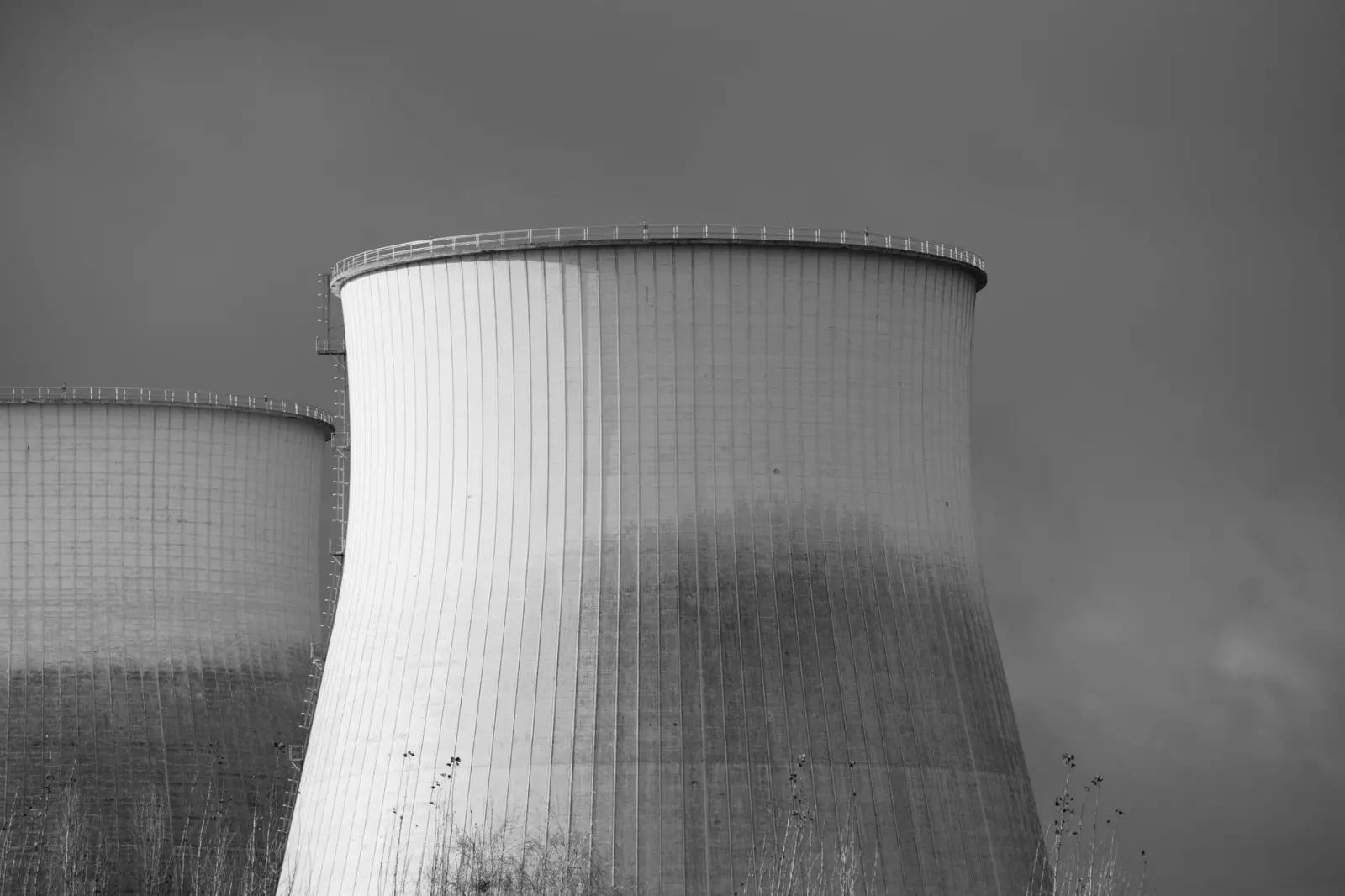
Water availability is another real constraint in a dry continent. Nuclear plants require substantial cooling water, and Australia’s reliable water sources are concentrated in the east and south. Inland sites would face competition with agriculture and municipal supplies. I’ve spoken with water managers who view this as a genuine bottleneck, not merely a theoretical concern.
Small Modular Reactors and the Smaller Picture
In recent years, the focus has shifted toward small modular reactors, or SMRs. These are smaller, factory-built units that can be deployed in multiple locations rather than one massive plant. The appeal is obvious: shorter construction times, lower individual capital costs, and the ability to match capacity to regional demand. Some proponents argue SMRs could be ideal for Australia’s distributed grid and remote industrial facilities.
The catch is that SMRs are still largely theoretical at commercial scale. A handful of designs exist, but few have been built and operated at the volumes needed to prove the economics. Cost per megawatt tends to be higher than large reactors because you lose economies of scale. Licensing and regulation for a new reactor type adds years to deployment. I’ve watched similar technology transitions in other infrastructure sectors, and the gap between prototype and widespread deployment is always wider than early advocates expect.
That said, there are genuine use cases where SMRs might make sense. Remote mining operations, industrial heat applications, and regional grids where large plants are impractical could benefit from modular nuclear. These niches are worth exploring seriously, and several Australian companies are working on designs or partnerships. But they’re not a near-term solution to Australia’s grid decarbonisation challenge.
The Renewable Alternative
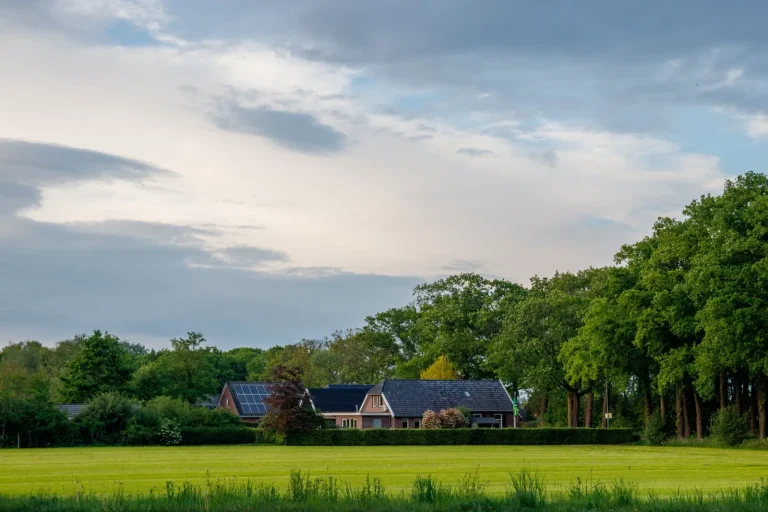
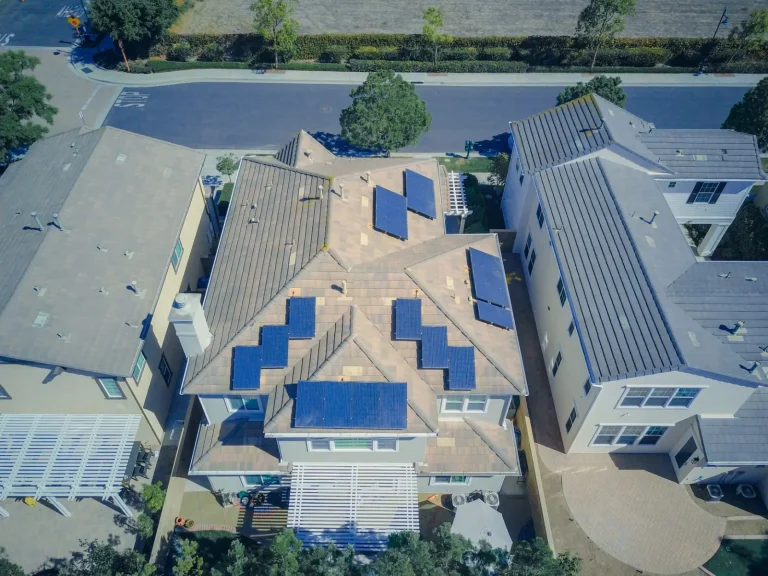
It’s worth stepping back and acknowledging what’s actually happening on the ground. Australia is already deploying renewable energy at remarkable speed. Solar capacity has grown exponentially, wind farms are expanding, and battery storage is becoming economically viable. State governments have set aggressive renewable targets, and the market is responding. I’ve seen the physical transformation in regions I visit regularly – rooftop solar is ubiquitous, and utility-scale projects are being built faster than most people realise.
The question isn’t whether renewables can contribute significantly to Australia’s energy mix. They already are. The question is whether renewables alone, combined with storage and grid management, can reliably meet 24/7 demand. Some analysts argue yes, pointing to modelling that shows high renewable penetration with sufficient battery and pumped hydro storage. Others say you need firm baseload power to make the maths work reliably, and that’s where nuclear enters the picture.
This is where the debate gets genuinely technical rather than ideological. The answer depends on assumptions about storage costs, grid technology, demand patterns, and how much renewable overbuild you’re willing to accept. Reasonable people disagree because the variables are genuinely uncertain.
Where the Conversation Actually Sits
In practical terms, Australia’s energy future over the next 15 to 20 years will almost certainly be dominated by renewables and storage, with some remaining gas-fired capacity for reliability. That’s not ideology – it’s what’s economically rational given current costs and timelines. A nuclear plant approved today wouldn’t generate electricity until the 2040s at the earliest.
What nuclear does offer is a longer-term option for deep decarbonisation in the 2050s and beyond. If Australia wants to eliminate fossil fuels entirely from electricity generation, and if battery technology plateaus, nuclear becomes more relevant. It’s a hedge against the possibility that renewables plus storage alone can’t quite get the job done.
The real work happening now is incremental. Researchers are exploring SMR designs, utilities are studying grid integration challenges, and policymakers are gradually loosening the regulatory constraints. None of this is dramatic, but it’s the groundwork that matters. I’ve seen how infrastructure changes happen – rarely through sudden shifts, more often through patient accumulation of knowledge and capability.
The political environment matters too. If public opinion shifts toward accepting nuclear, and if a government decides the regulatory framework needs updating, things could move faster. But that requires a conversation that extends beyond energy engineers to include communities, economists, and environmental advocates. That conversation is happening, unevenly, across the country.
Australia’s energy future isn’t settled. The renewable buildout is accelerating, but questions about reliability, cost, and feasibility at high penetration rates remain open. Nuclear isn’t the answer to today’s energy challenge, but it may be part of the answer to tomorrow’s. The practical work of understanding whether and how it fits into Australia’s grid is just beginning.