
Australia’s electricity grid is undergoing a fundamental change, and it’s not happening in the way most people imagine. Over the past decade, I’ve watched the energy landscape shift from a centralized model where power flowed one direction – from large coal and gas plants to homes and businesses – toward something far more complex and distributed. Smart grids sit at the center of this transition, though the term itself often obscures what’s actually occurring in substations, control rooms, and across the network infrastructure that keeps the lights on.
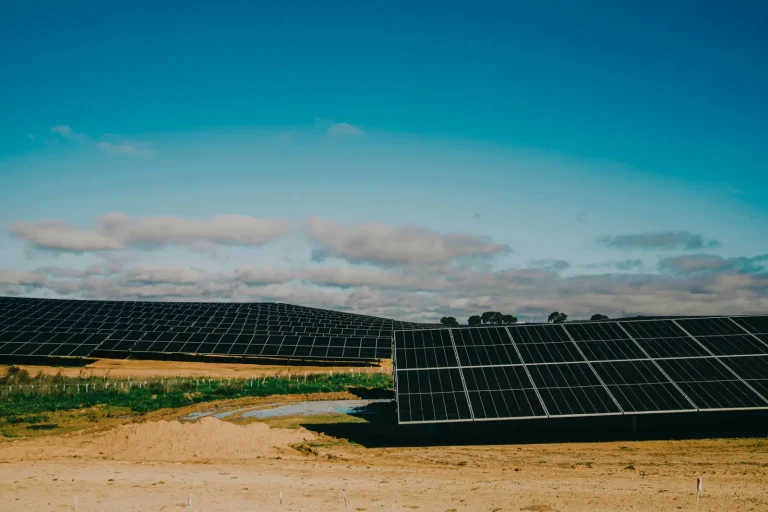
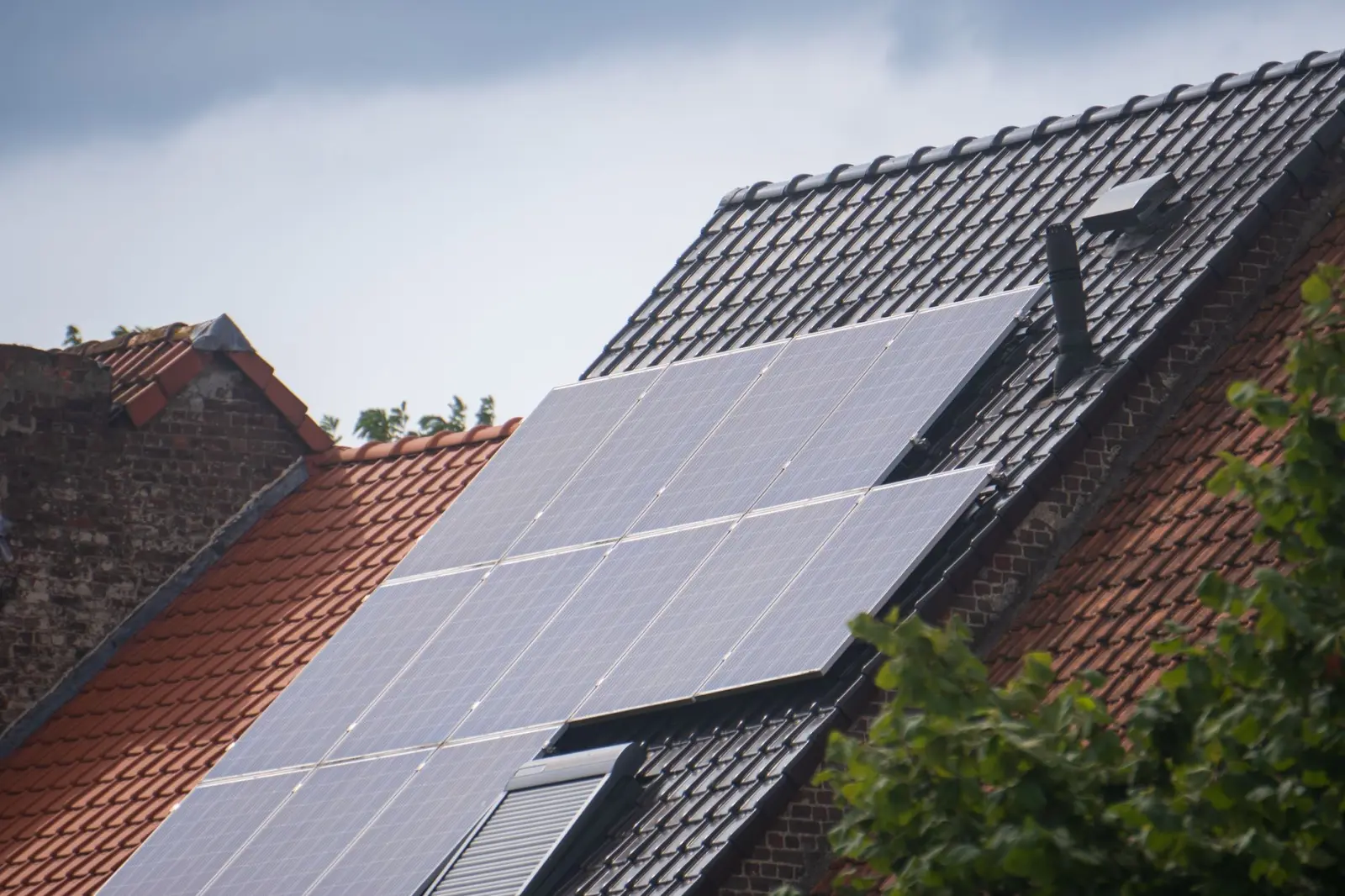
The physical reality is this: Australia has one of the highest rates of rooftop solar installation globally, and that alone has forced the grid to evolve. When millions of households generate their own power during the day, the traditional grid management approach breaks down. You can’t simply ramp up a coal plant to match demand if half your demand is being met by solar panels. The grid needs to see what’s happening in real time, predict what’s coming next, and balance supply and demand across thousands of distributed points simultaneously. That’s what smart grids are built to do.
What a Smart Grid Actually Does
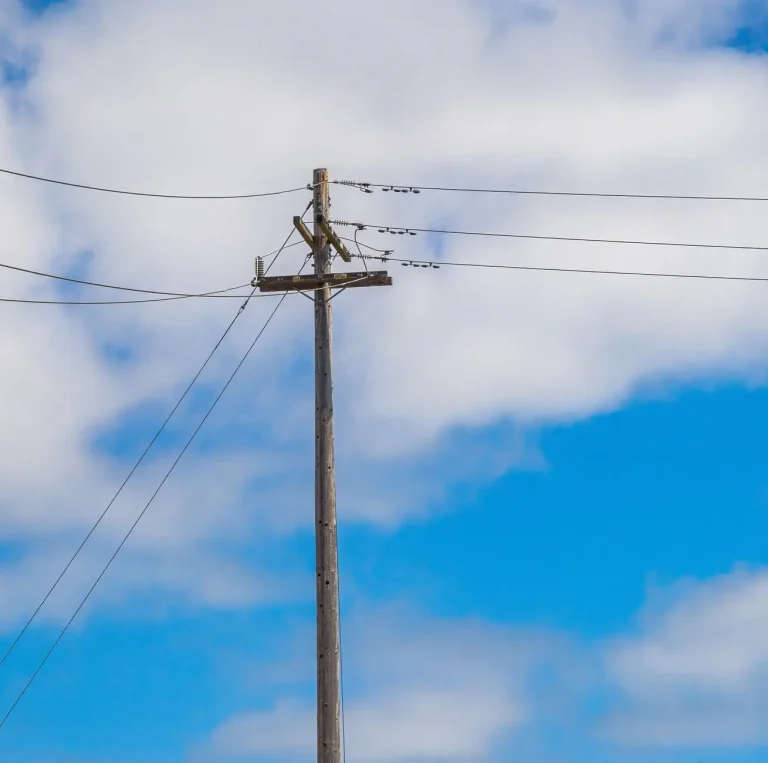
A smart grid isn’t a single technology. It’s a collection of monitoring, communication, and control systems layered onto the existing network. At the distribution level, sensors measure voltage, frequency, and power flow continuously. Communication networks – fiber optic cables, wireless links, sometimes power line carrier systems – transmit this data back to control centers where algorithms analyze patterns and make decisions about how to route power and manage demand.
The difference between a traditional grid and a smart grid becomes obvious when something goes wrong. In an older system, if a transformer fails or a line goes down, the problem ripples outward and affects everyone downstream until someone physically identifies and fixes it. A smart grid detects the fault instantly, isolates the affected section, and reroutes power around the problem. Customers downstream may not even notice an interruption. I’ve seen this happen in real time in areas where the infrastructure has been upgraded – a line fault that would have caused a half-hour outage twenty years ago now results in maybe a few seconds of disruption, if that.
Distributed Energy and the Grid Balancing Problem
The core challenge driving smart grid adoption in Australia isn’t really about efficiency in the traditional sense. It’s about managing variability. Solar generation peaks at midday, then drops to zero at night. Wind is unpredictable. Battery storage is growing but still represents a small fraction of total capacity. Meanwhile, demand follows a different pattern – lower during the day when people are at work, higher in the evening when they come home.
Without smart grid technology, this mismatch creates real operational stress. Grid operators have to keep spinning reserves – expensive generation capacity that’s running but not producing power – ready to fill gaps when solar drops off or demand spikes. Smart grids reduce this waste by enabling demand response. When the grid is under stress, the system can automatically adjust when certain loads consume power. A water heater or electric vehicle charger can be temporarily delayed by a few minutes without affecting the customer, but across thousands of devices, this creates meaningful relief. I’ve watched control room operators manage this in real time, and the difference is substantial.
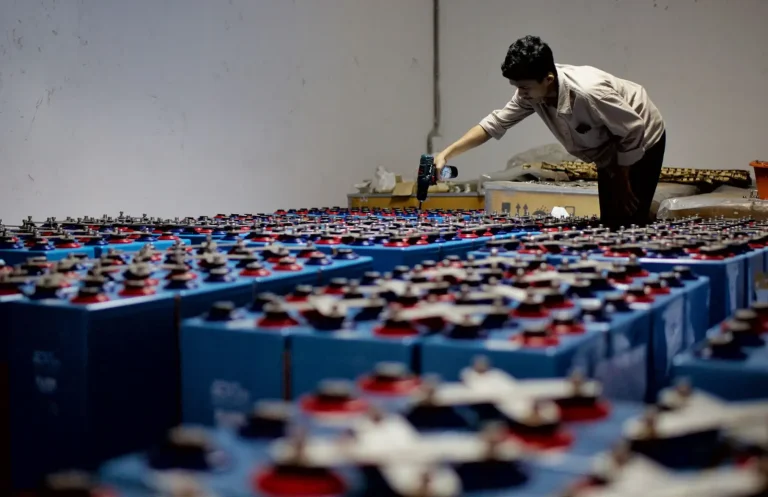
The battery storage angle is often overstated in public discussion. People assume that batteries will solve the variability problem, but the economics don’t work that way yet. A smart grid that manages demand and coordinates distributed resources can achieve much of the same effect at a fraction of the cost. Batteries are part of the picture, but they’re not the solution to everything.
The Infrastructure Reality
Upgrading a grid to be smart requires enormous capital investment, and it’s not evenly distributed across the country. Urban areas and regions with high solar penetration have moved faster. Rural areas often lag because the cost-benefit calculation is different when you have fewer customers per kilometer of line. This creates an uneven transition where some parts of the grid are genuinely intelligent and responsive, while others remain relatively traditional.
The communication infrastructure is critical and often overlooked. You need reliable, low-latency connections between sensors, controllers, and central systems. Fiber optic networks are being installed, but they’re expensive. In some regions, wireless networks are being used, but they have limitations. The cybersecurity implications are serious too. A grid that’s connected and automated is a grid that can be hacked. I’ve seen utilities invest heavily in security infrastructure, and it’s an ongoing arms race.
One thing I’ve observed repeatedly is that the transition is slower than the technology would suggest. The grid is designed to be incredibly reliable, and changing it means managing risk carefully. You can’t experiment with the entire network. Upgrades happen in stages, often in specific zones or regions. This means that the full benefits of smart grid technology are being realized gradually, not all at once.
What This Means for Renewable Energy Integration
Smart grids are essential for Australia’s renewable energy targets, but they’re not sufficient on their own. The grid can manage higher penetration of variable renewables, but there are physical limits. When solar and wind together are generating more than the grid can absorb and store, you have to curtail generation – essentially throw away power. This is already happening in some parts of Australia during peak solar periods.
The system needs multiple tools working together. Smart grids manage variability and optimize dispatch. Battery storage provides short-term buffering. Demand flexibility shifts when people use power. Interconnections between regions allow power to flow from areas with surplus to areas with shortage. And you still need some form of firm generation or very large storage to handle multi-day periods when solar and wind output is low. Smart grids enable all of this, but they don’t replace the need for diverse solutions.
I’ve noticed that the most successful implementations focus on specific problems rather than trying to transform everything at once. A utility might deploy smart grid technology in a region with high solar penetration to manage that specific challenge. Another might use it to reduce peak demand in an area where the distribution network is congested. These targeted approaches deliver real benefits and build experience that informs broader deployment.
The long-term trajectory is clear. Australia’s grid will continue to become more distributed, more variable, and more dependent on real-time management. Smart grids are the foundational technology that makes this possible. They’re not flashy or visible to most people, but they’re as important to the energy transition as solar panels and wind turbines. The work of upgrading and integrating these systems will continue for years, and the challenges will evolve as the grid itself changes.