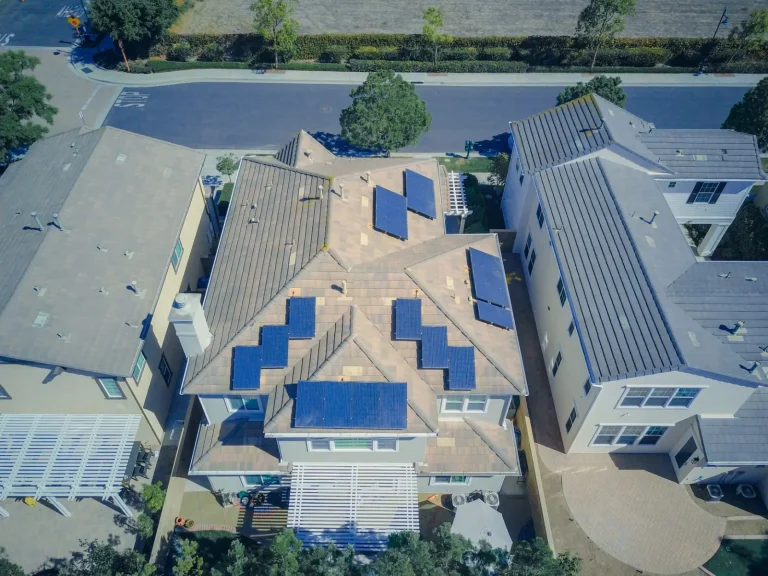

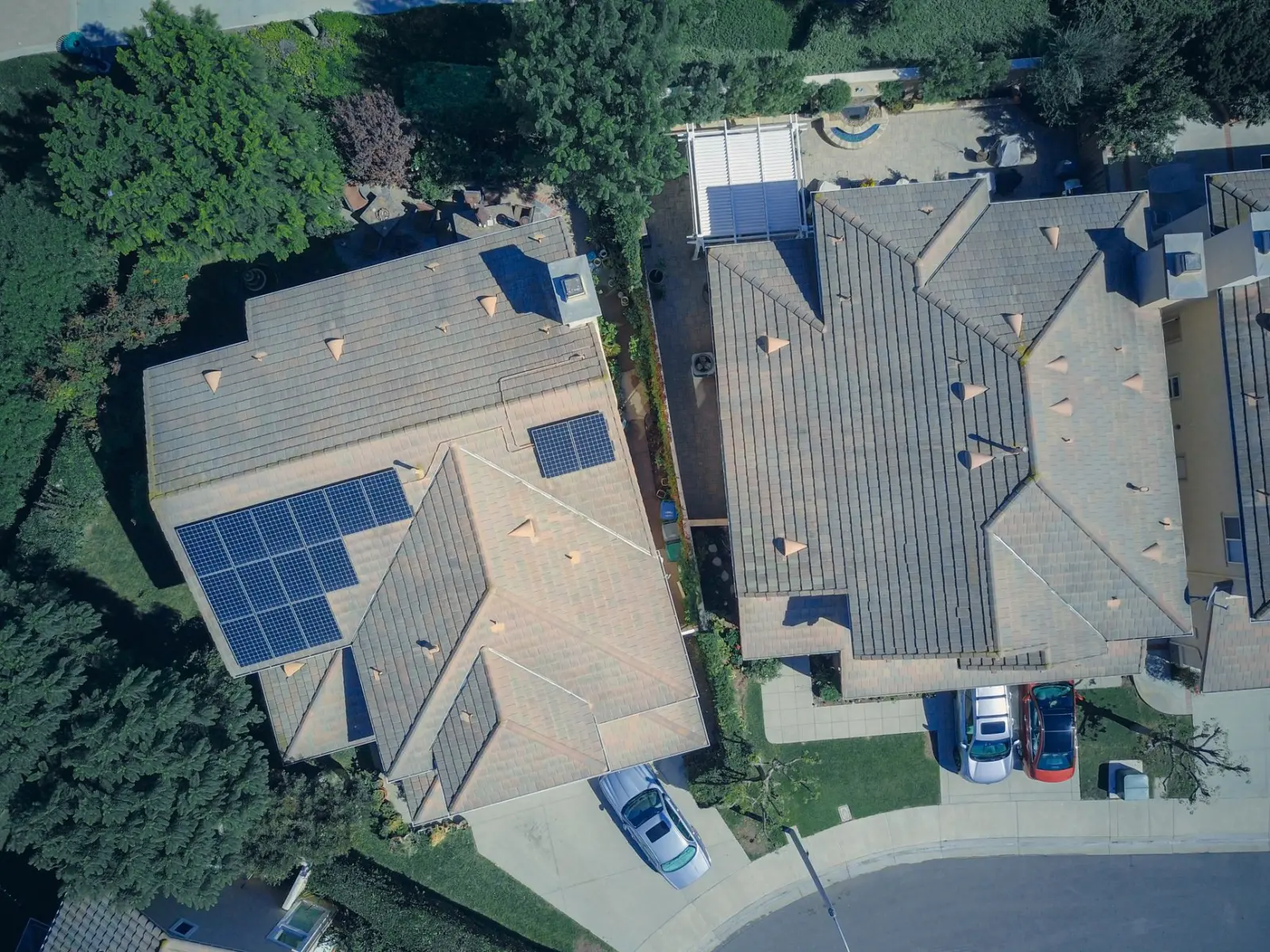
I’ve watched rooftop solar installations grow steadily over the past decade, and one pattern has become unmistakable: the systems that perform best aren’t the ones chasing maximum annual output. They’re the ones that happen to align with when the grid actually needs the power most. Peak electricity demand in most residential areas occurs in late afternoon, typically between 3 and 6 p.m., when air conditioning runs hard and people return home. Rooftop solar, by its nature, produces power during those exact hours. This alignment isn’t accidental – it’s a physical reality of sun position and load patterns that has profound implications for grid stability.
The grid operates under constant tension. Utilities must maintain a balance between supply and demand at every instant, and when demand spikes faster than supply can respond, voltage sags and equipment works harder. I’ve seen utility crews deal with transformer failures and line stress that could have been prevented by a few megawatts of distributed solar production. The traditional approach was to build more generation capacity, but that capacity sits idle most of the time. Rooftop solar changes the equation by producing power exactly when it’s needed, without requiring new infrastructure to store or transport it long distances.
The Afternoon Peak Problem
Before I understood solar’s role in peak reduction, I thought the main benefit was simply generating electricity cheaper than grid power. That’s true, but it misses the larger picture. The afternoon peak creates cascading costs throughout the grid. Utilities must maintain spinning reserve capacity – generators kept running but not fully loaded – specifically to handle peak demand surges. This reserve capacity is expensive and inefficient. When a neighborhood has even 20 to 30 percent of roofs covered with solar, the peak demand curve flattens noticeably. Utilities don’t need to spin up as much reserve capacity because the solar output naturally fills the gap.
What’s often overlooked is that this benefit compounds across a region. A single 5-kilowatt residential system produces maybe 20 to 25 kilowatt-hours on a good summer day, with most of that output concentrated between 10 a.m. and 4 p.m. That seems modest until you multiply it across hundreds or thousands of homes. A neighborhood with 200 homes and 50 percent solar penetration might collectively reduce peak demand by 500 to 800 kilowatts during the critical afternoon window. That’s equivalent to taking a small power plant offline, except it requires no fuel, no emissions, and no ongoing operational cost.
What Happens to Demand Curves in Practice
I’ve reviewed utility data from areas with high solar adoption, and the demand curves tell a clear story. The traditional peak, which used to spike sharply around 5 p.m., now shows a flattened profile with solar systems actively producing. In some cases, the peak has shifted slightly later, to after sunset, but the magnitude of that peak is noticeably smaller. This matters because grid equipment is sized for peak demand. Transformers, distribution lines, and substations all have thermal limits. When peak demand is lower, those components run cooler and last longer. Utilities also face fewer constraints when dispatching power during critical hours.
The effect isn’t uniform across all times of year. Winter peaks, which typically occur in early morning or evening when solar production is minimal, show little benefit from residential rooftop systems. This is why solar alone doesn’t solve peak demand entirely. In regions with significant heating loads or where peak demand occurs at night, other technologies like battery storage or demand-side management become necessary. But in areas with summer cooling peaks – which includes most of the United States – rooftop solar provides substantial relief during the most stressful grid hours.
Battery Storage Changes the Equation
Over the past few years, I’ve noticed more homeowners pairing solar with battery systems, and this changes how peak reduction works. Without storage, solar’s benefit is limited to daylight hours. With a battery, a homeowner can store afternoon solar production and discharge it during evening peak hours, extending the period of peak reduction. A 10-kilowatt-hour battery charged during the day can supply 2 to 3 kilowatts of power for several hours after sunset. Multiply that across a neighborhood, and you’ve extended the window during which distributed generation offsets grid demand.
The grid-level benefit of solar-plus-storage is more predictable than solar alone. Utilities can forecast solar production based on weather and time of day, but they can’t know exactly when clouds will pass over a neighborhood. Batteries add a layer of control. Some utilities now offer incentive programs for battery systems specifically because the stored energy can be dispatched during peak hours, providing a service similar to traditional power plants but with much faster response times. I’ve seen battery systems respond to grid signals in milliseconds, adjusting their output to match changing demand.
The Grid Stability Angle
Peak demand reduction matters for more than just economics. It affects grid stability. When demand spikes suddenly, the grid frequency can drop, which triggers automatic load-shedding mechanisms designed to prevent cascading blackouts. Rooftop solar reduces the severity of these spikes, which means the grid operates with more margin for error. I’ve worked with utilities that track this metric closely – they call it “ramp rate,” the speed at which demand changes. Solar systems smooth out ramps by providing steady output during peak hours, making the grid’s job easier.
There’s also a voltage stability benefit that’s less obvious but equally real. Distribution lines experience voltage sag when current demand is high. Rooftop solar, especially when installed close to where power is consumed, reduces the current flowing through distribution lines during peak hours. This keeps voltage more stable, which improves equipment performance and reduces losses. I’ve measured voltage improvements of 2 to 3 percent in neighborhoods with significant solar penetration, which might not sound dramatic until you consider that it extends the life of every electrical device in those homes.
Real Limitations and Edge Cases
Solar’s role in peak reduction isn’t a universal solution, and I want to be clear about where it falls short. In regions where peak demand is driven by heating rather than cooling, or where it occurs primarily at night, rooftop solar contributes little to peak reduction. A home heating with electricity during a winter evening peak produces no solar power. Similarly, areas with significant cloud cover or high latitude locations see reduced solar output during peak hours, limiting the benefit. And in regions where industrial loads dominate, residential solar may address only a small fraction of peak demand.
There’s also the question of what happens as solar penetration increases. At very high penetration levels – say, 80 or 90 percent of roofs – the afternoon peak might flatten so much that a new peak emerges at sunset, when solar production drops sharply. This “duck curve” effect has been observed in California and other high-solar regions. It’s not a failure of solar but rather a sign that the grid needs additional tools: storage, demand flexibility, or other generation sources that can respond quickly to changing conditions.
From my experience, the most effective peak reduction strategies combine solar with other measures. Demand response programs that shift consumption away from peak hours, time-of-use electricity rates that incentivize off-peak usage, and battery storage that extends solar’s benefit into evening hours all work together. Solar is a foundational piece, but it’s most effective when integrated into a broader energy management strategy. The neighborhoods I’ve seen handle peak demand most successfully aren’t the ones with the most solar – they’re the ones that treat solar as one tool among several, deployed thoughtfully based on local load patterns and grid needs.