
After years of working with residential solar installations and watching how utilities integrate renewable sources, I’ve learned that the popular image of a renewable grid – panels and turbines feeding power directly to homes – misses the actual complexity. The grid doesn’t work like a simple on-off switch. It’s a continuous negotiation between what’s being generated, what’s being consumed, and what’s being stored. Understanding how these three pieces fit together reveals why some renewable systems work smoothly while others create headaches for both homeowners and grid operators.
The fundamental problem is timing. Solar peaks in the middle of the day, often when demand is moderate. Wind tends to blow harder at night and during shoulder seasons, which doesn’t always align with when people use the most electricity. Demand itself follows patterns – morning coffee makers and evening cooking create predictable spikes, but there’s also weather-driven variation and the simple fact that people don’t use power on a schedule that suits generation. This mismatch between when energy is available and when it’s needed is where storage enters the picture, not as a luxury but as a necessity.
What Solar and Wind Actually Contribute
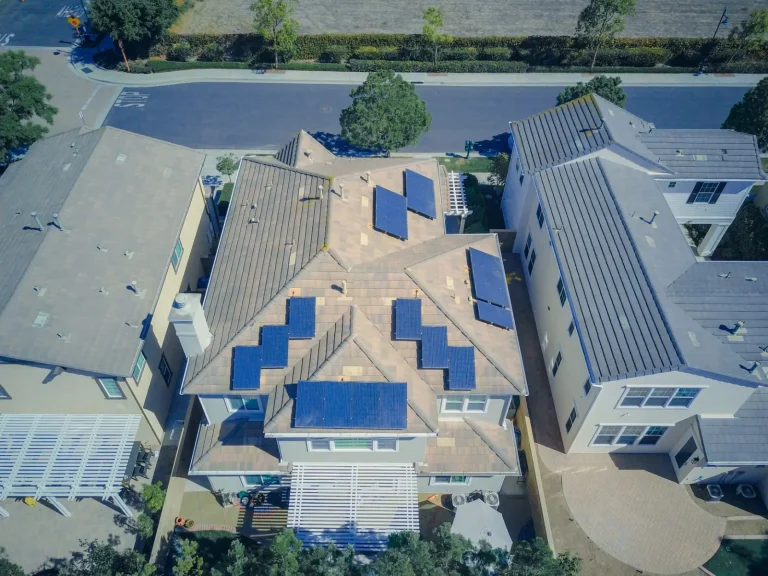
In residential settings, a rooftop solar array generates power proportional to sunlight intensity and panel orientation. On a clear day, a typical 6-kilowatt system produces most of its rated capacity between 9 AM and 3 PM, with output ramping up in the morning and down in the evening. The curve is smooth but predictable. What’s less obvious is that this output varies day to day based on cloud cover, seasonal angle changes, and even dust or pollen accumulation. I’ve seen systems lose 15 to 20 percent of expected output just from seasonal leaf debris or bird droppings in areas where cleaning isn’t routine.
Wind generation at the residential scale is less common but follows a different pattern entirely. Small wind turbines need consistent wind speeds – typically above 10 miles per hour to generate meaningful power – and they produce output that can swing dramatically within hours. A gusty afternoon might generate peak power, then drop to nearly nothing as conditions change. Utility-scale wind farms smooth some of this variability through geographic distribution, but the fundamental issue remains: wind is intermittent and doesn’t respond to demand.
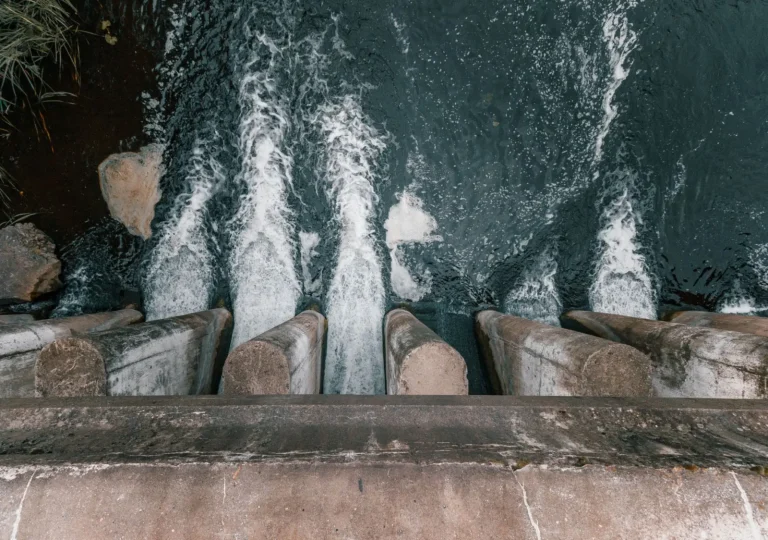
The grid’s traditional solution was to match generation to demand using dispatchable sources – natural gas plants that could ramp up when needed, hydroelectric facilities that could release water on command. With renewable sources, that luxury disappears. You can’t tell the sun to shine harder at dinner time or ask the wind to blow during peak evening load. This is where the old grid model breaks down, and where storage becomes the connecting piece.
Battery Storage as a Timing Tool
Battery systems – whether lithium-ion home batteries, larger community-scale installations, or utility-grade facilities – don’t generate power. They shift it in time. A battery charged during midday solar production can discharge that same energy during evening peak demand. This simple function solves the timing problem that makes renewable grids feasible at scale.
In residential applications, a 10-kilowatt-hour battery paired with a 6-kilowatt solar array changes the operational picture significantly. The solar system still generates the same total energy, but the battery allows the home to use that energy when it’s needed rather than when it’s generated. On a sunny day, excess solar charges the battery. In the evening, the battery supplies power instead of drawing from the grid. This reduces peak demand on the grid during evening hours, which is when utilities typically struggle most.
The efficiency loss in this process is real but manageable. Modern lithium-ion batteries charge and discharge at 85 to 95 percent efficiency, meaning some energy is lost as heat. Over a full cycle – charging during the day and discharging at night – you might lose 10 to 20 percent of the stored energy. That’s a cost, but it’s often worth it when it means reducing reliance on grid power during peak pricing periods or avoiding demand charges that some utilities impose.
Battery degradation is another practical consideration. Lithium-ion cells have a finite number of charge cycles – typically 3,000 to 5,000 full cycles before capacity drops noticeably. A home battery cycled daily will age faster than one cycled a few times per week. I’ve seen homeowners surprised by this reality when they expect their battery to perform the same way for 20 years as it does in year one. The warranty typically covers 70 to 80 percent capacity retention over 10 years, which is honest but not perfect.
How the Grid Balances Supply and Demand
At the utility scale, the problem multiplies. A grid serving thousands or millions of customers needs to maintain voltage stability and frequency within tight tolerances. Frequency in North America is supposed to stay at 60 hertz; deviation of even a fraction of a hertz can trigger automatic load-shedding or equipment damage. When large amounts of renewable generation are connected, the grid loses the inertial stability that traditional spinning generators provided. A coal or gas plant naturally resists frequency changes because of its rotational mass. Solar and wind don’t have that property.
This is why modern grids increasingly deploy what’s called “synthetic inertia” – battery systems or advanced power electronics that can inject or absorb power within milliseconds to stabilize frequency. It’s invisible to most people, but it’s essential infrastructure. Utilities are now building massive battery facilities – 50 megawatts, 100 megawatts, sometimes larger – specifically to handle this balancing function. These aren’t primarily about shifting energy from day to night. They’re about maintaining grid stability minute by minute.
Demand response programs add another layer. Some utilities now pay customers or businesses to reduce consumption during peak periods. A large commercial freezer might reduce its cooling load for 15 minutes during a peak event. Thousands of such small reductions add up, effectively creating a “virtual power plant” that responds to grid conditions. This is less visible than a battery but equally important in grids with high renewable penetration.
The Integration Reality
What I’ve observed over time is that the renewable grid works best when solar, wind, and storage are treated as an integrated system rather than separate components. A home with solar but no storage still depends on the grid for evening power. A battery without solar is just expensive load-shifting. Wind farms without storage or demand-response mechanisms create challenges for grid operators during high-wind, low-demand periods – they have to curtail generation (essentially throw away power) or pay other utilities to absorb it.
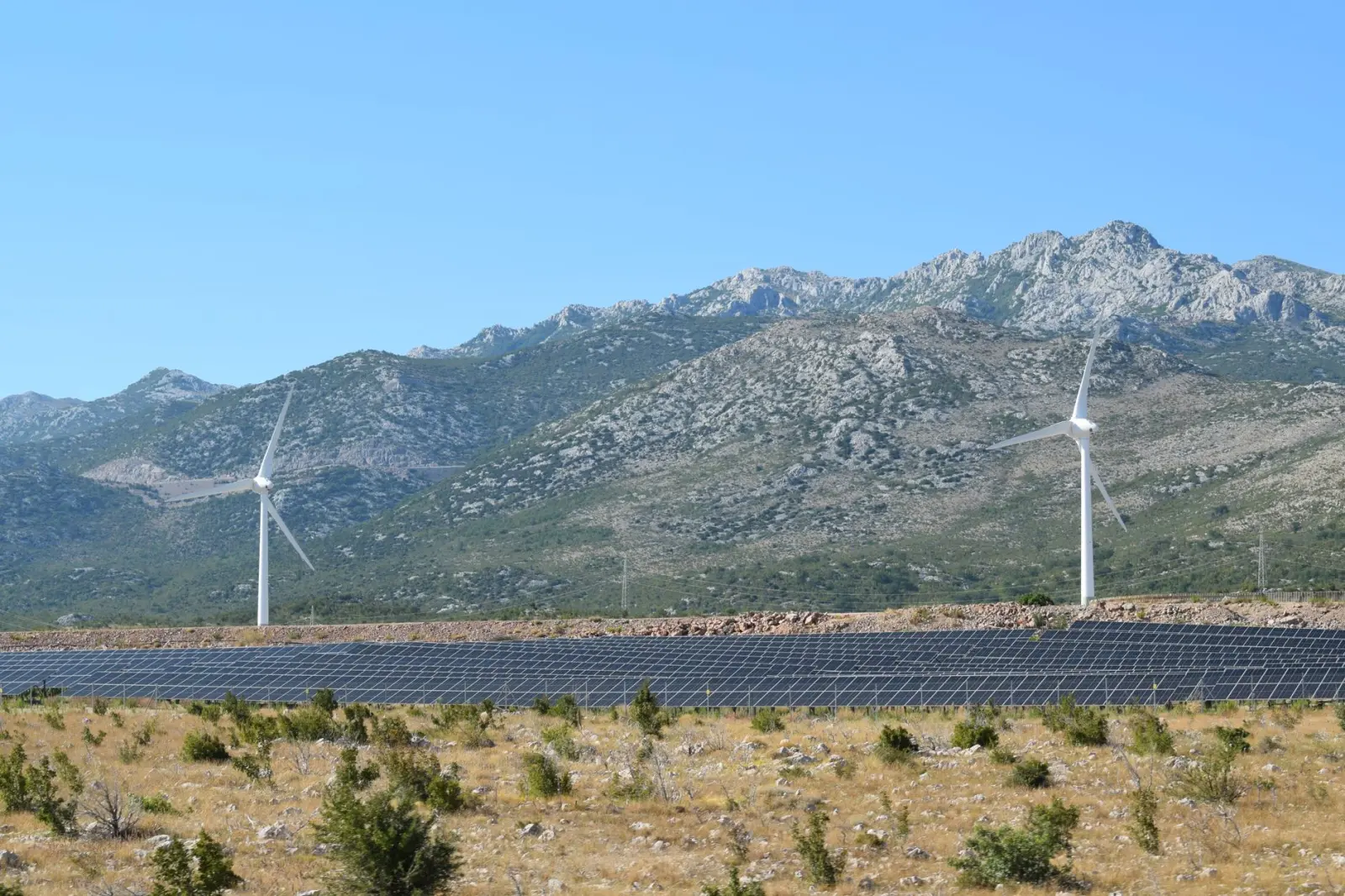
The most stable grids emerging now combine several approaches. Distributed residential solar and storage reduce peak demand. Utility-scale wind and solar farms provide bulk generation. Large battery facilities and pumped hydro storage handle hour-to-hour balancing. Demand response programs and smart controls adjust consumption. No single piece solves the problem alone.
Geographic diversity matters more than people realize. A grid spanning a large area experiences wind and sun conditions that vary by location and time. Morning sun in the east can offset evening wind in the west. This is why interconnected regional grids are more resilient than isolated systems. It’s also why some areas struggle more with renewable integration than others. A region with consistent wind resources and moderate solar potential can balance more easily than one with highly variable conditions.
The economics are shifting too. Battery costs have dropped 85 percent over the past decade. Solar and wind are now the cheapest sources of new generation capacity in most markets. This changes the calculus for grid operators. It’s increasingly cost-effective to build storage capacity than to maintain aging fossil fuel plants. But the transition is messy. Utilities built around the old model of dispatchable generation have to retrain operators, update control systems, and rethink how they plan capacity. That takes time and creates friction.
What I’ve come to understand is that renewable grids aren’t fundamentally different from traditional grids in their goal – reliably deliver power when it’s needed. They’re different in how they achieve it. Instead of matching generation to demand through fuel consumption, they match it through timing, distribution, and storage. It’s a more complex system in some ways, but it’s also more resilient because it doesn’t depend on fuel supply chains or the availability of dispatchable plants. The trade-off is that it requires more sophisticated control systems and a willingness to accept that power flows in ways that don’t always follow the old patterns.