
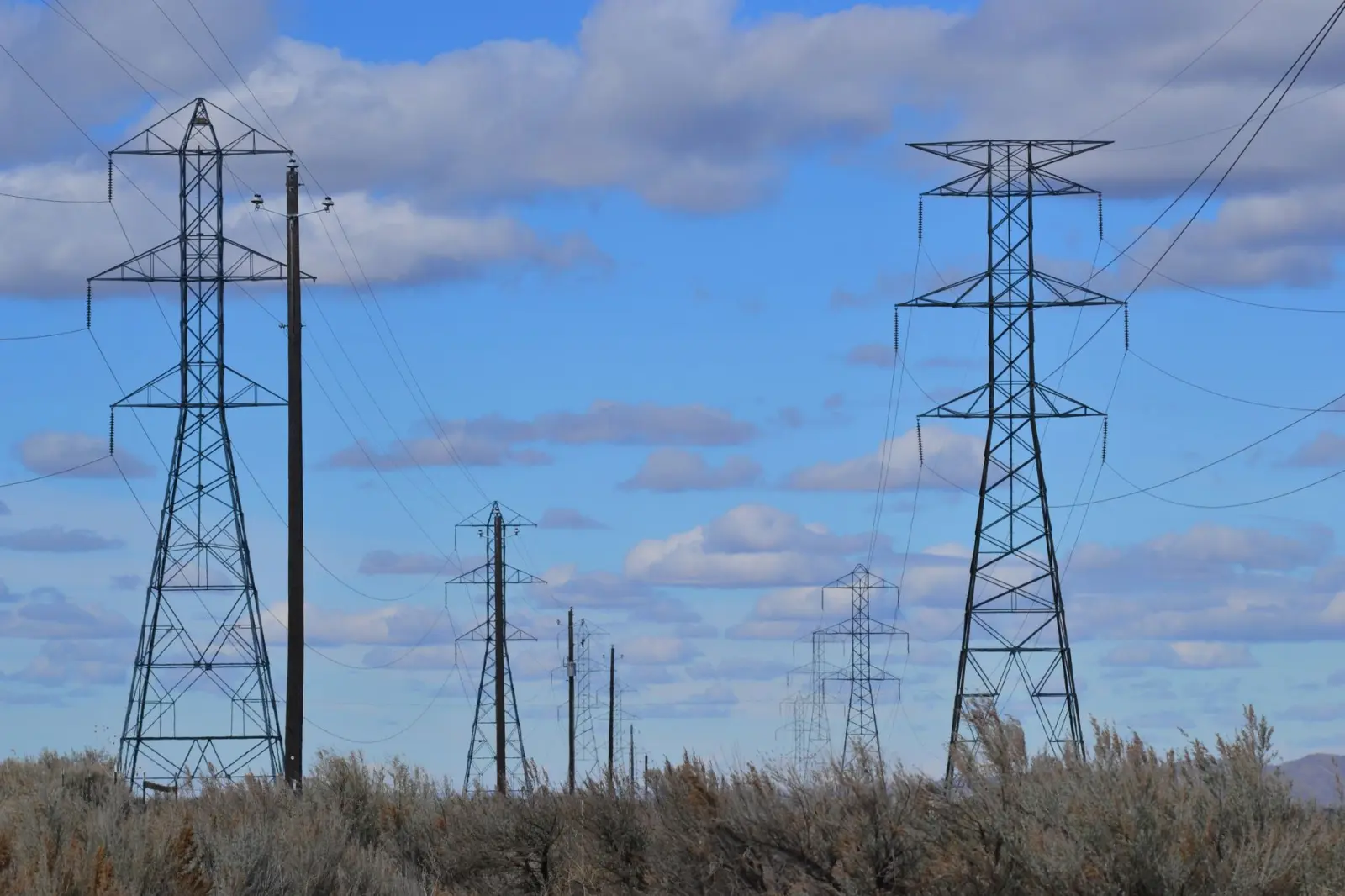
Australia’s transmission network has been running on infrastructure that, in many cases, was designed and built decades ago. I’ve watched the strain accumulate across states and regions as demand patterns shift and renewable energy sources proliferate. The network that once reliably moved coal-generated power from a handful of major stations to population centers no longer fits how electricity actually flows through the country now.
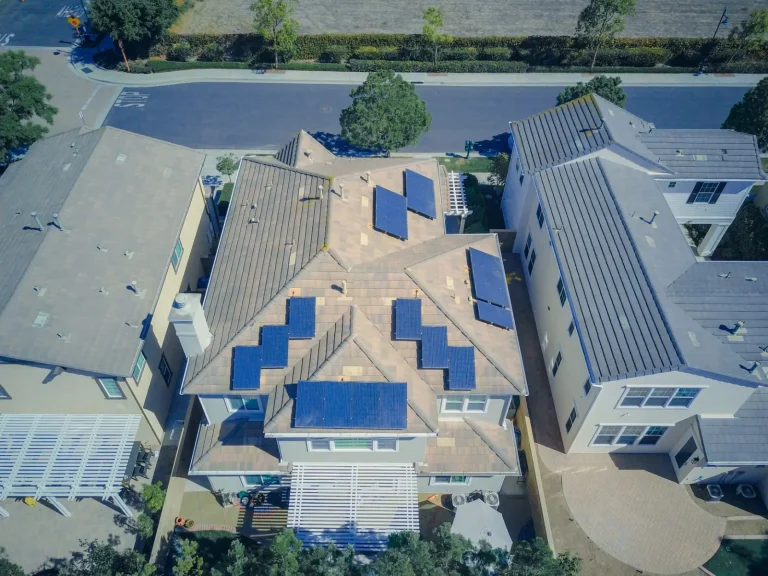
The core issue isn’t mysterious. Our existing transmission corridors were planned around centralized generation – large power stations in specific locations, feeding predictable loads in cities and industrial zones. That model worked when the system was relatively static. But over the past ten to fifteen years, the generation landscape has fragmented. Solar farms dot regional areas, wind farms cluster in coastal zones, and battery storage is emerging in unexpected locations. The grid’s physical pathways haven’t kept pace with where power is actually being produced and where it needs to go.
What strikes me most when I look at congestion points across the network is how localized the problems have become. In Queensland, for instance, renewable energy from the north struggles to reach demand centers in the south. The transmission lines between them operate at or near capacity during peak generation periods. In Victoria and South Australia, similar bottlenecks emerge when wind output peaks. These aren’t theoretical problems – they create real costs. When transmission lines hit their limit, generators in one region can’t economically export power to another, even when demand exists. That inefficiency gets passed through the system.
The Physical Limits of Aging Infrastructure
Transmission lines have thermal limits. A conductor carrying current generates heat, and that heat increases with the square of the current flowing through it. Older lines, particularly those built in the 1970s and 1980s, were sized for the loads they were expected to carry at that time. Pushing significantly more power through them isn’t just a matter of flipping a switch – it degrades the equipment faster and increases losses. I’ve seen situations where a line that could theoretically handle more capacity simply can’t, because the supporting infrastructure – transformers, switching equipment, protection systems – wasn’t designed for sustained higher loads.
The challenge compounds in summer. Heat affects conductor resistance and reduces the amount of current a line can safely carry. During peak demand periods on hot days, transmission constraints tighten further. New renewable generation in inland areas sometimes can’t be fully utilized because the lines connecting those areas to load centers are already saturated. The grid operator has to curtail wind or solar output – essentially wasting available generation – because there’s nowhere for the power to go.
Renewable Energy Reshapes Where Power Flows
Solar and wind generation are geographically dispersed compared to traditional coal or gas plants. A large coal station occupies a fixed location; the grid was built to move its output efficiently to demand. Renewable sources are often located where the resource exists – not necessarily where demand is highest. Western New South Wales has excellent solar potential but lower local demand. The Hunter Valley has wind resources. Tasmania has hydroelectric capacity. Getting that power to Sydney, Melbourne, and Brisbane requires transmission infrastructure that often doesn’t exist or is undersized for the volumes now being generated.
This geographic mismatch creates a structural need for new transmission corridors. It’s not a temporary problem that will resolve itself. As Australia continues to retire coal capacity and add renewable generation, the mismatch intensifies. The National Electricity Market operator has identified specific corridors where new or upgraded transmission would unlock significant renewable capacity. Without those lines, we’re essentially leaving resources stranded.
Stability and System Resilience
There’s another dimension that’s often overlooked in the public discussion: system stability. Synchronous generators – traditional power plants – provide inertia and voltage support to the grid. They help stabilize frequency when demand suddenly changes or when a generator unexpectedly trips offline. Renewable generators, connected through power electronics, don’t provide the same physical stabilizing effect. As we move away from synchronous generation, the grid becomes more sensitive to disturbances.
New transmission lines, particularly long-distance corridors, can help mitigate this by allowing faster power transfers between regions and improving the overall connectivity of the network. A more interconnected grid is generally more resilient. If one region experiences a sudden loss of generation, power can flow in from other areas more quickly. That’s not something you can easily replicate with just local batteries or demand management.
I’ve seen blackout events in other systems where transmission constraints played a key role. A region becomes isolated because the lines connecting it to the broader network can’t carry enough power fast enough. Australia’s network is reasonably robust, but it’s not immune to these risks – especially as the generation mix becomes less predictable.
The Cost of Delay
Every year that passes without new transmission capacity carries an opportunity cost. Renewable generators are being built, but their output can’t always be fully utilized. That means higher costs for consumers – either through curtailment payments to generators or through higher wholesale prices when renewable output is constrained. It also means slower decarbonization overall, because we’re not capturing the full potential of the renewable resources we’re installing.
Planning and constructing new transmission lines takes time. Environmental assessments, land acquisition, community consultation, and physical construction typically span five to ten years for a major project. That means decisions made now will affect grid performance in the early 2030s. Waiting to act creates a lag where the network is increasingly mismatched to the generation and demand profile.
From a practical standpoint, the case for new transmission is straightforward. The grid’s physical structure no longer aligns with how electricity is produced and consumed. Renewable energy is distributed geographically in ways that coal and gas generation never were. Peak demand continues to grow, particularly with electrification of transport and heating. The existing network, designed for a different era, can’t efficiently move power from where it’s generated to where it’s needed. New transmission lines aren’t optional infrastructure – they’re a necessary adaptation to how the energy system has fundamentally changed.