
Australia’s mining industry has spent the last decade operating in a state of managed tension. The sector that built the nation’s wealth – coal, iron ore, and other commodities – now finds itself at the centre of a global energy transition that fundamentally challenges its traditional business models. I’ve watched this unfold from multiple angles: through conversations with operators, engineers, and mine managers who are grappling with real operational constraints, not theoretical scenarios. The transition isn’t a simple pivot. It’s a complex renegotiation of how extraction, processing, and export work in a carbon-conscious world.
The immediate pressure comes from two directions at once. International climate commitments and domestic renewable energy targets have created policy momentum that affects investment decisions, financing terms, and customer expectations. Simultaneously, the global market for thermal coal has contracted sharply, while demand for minerals essential to battery technology and renewable infrastructure – lithium, cobalt, nickel – has surged. For many operations, this creates an awkward middle ground where the old revenue streams are shrinking but the new opportunities require significant capital investment and technological retooling.
The Coal Sector’s Narrowing Window
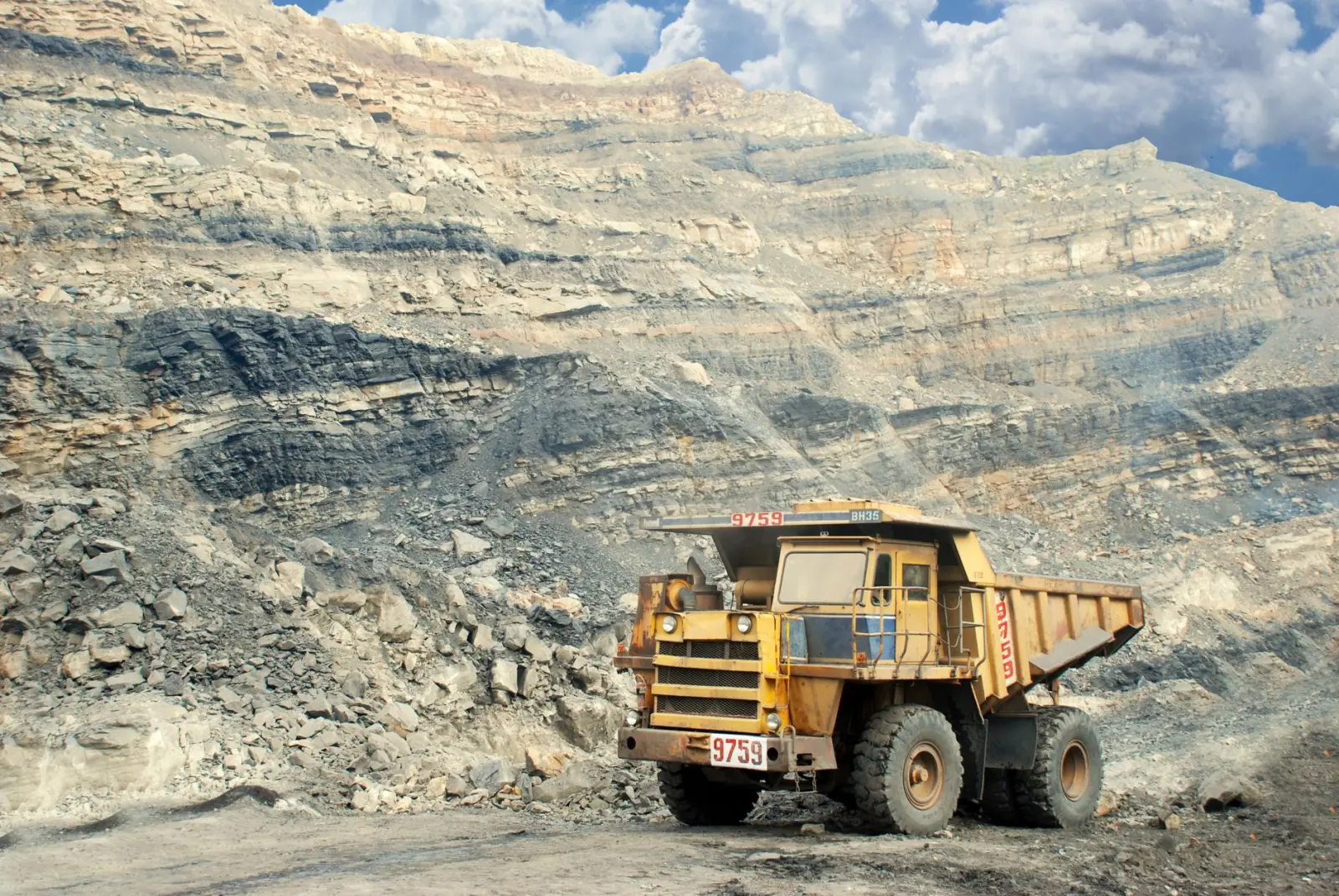
Thermal coal mining remains substantial in Australia, particularly in Queensland and New South Wales, but the trajectory is unmistakable. Domestic coal-fired power stations are retiring ahead of schedule. Export markets are tightening as major customers – Japan, South Korea, and increasingly India – commit to phase-out timelines or shift purchasing patterns toward lower-emission sources. I’ve seen mine operations that were profitable at $80 per tonne become marginal at $60, and the cost structure doesn’t improve from there. The problem isn’t just price volatility; it’s the structural decline in demand that makes long-term investment decisions nearly impossible.
What often gets overlooked is the stranded infrastructure problem. A coal mine isn’t just an extraction site. It’s a network of rail corridors, port facilities, processing plants, and workforce arrangements built over decades. When demand falls, these assets don’t simply disappear – they become liabilities. Communities that developed around single-commodity extraction face genuine economic disruption. The mining companies themselves carry the cost of remediation and closure, which eats into whatever final years of profitability remain. Some operators are exploring coal-to-hydrogen transitions or carbon capture applications, but these remain marginal and capital-intensive.
Critical Minerals and the New Extraction Boom
The other side of this equation is more dynamic but equally complicated. Lithium, nickel, and rare earth elements are now central to global energy infrastructure. Battery manufacturing, electric vehicle production, and renewable energy systems all depend on these materials. Australia has significant reserves, and several operations have expanded or are in development. The Western Australian lithium sector, in particular, has seen rapid growth.
However, critical mineral extraction carries its own set of pressures. Environmental scrutiny is intense because these operations often occur in sensitive ecosystems or water-stressed regions. The processing of lithium and nickel is energy-intensive and generates chemical waste that requires careful management. Permitting timelines have lengthened as communities and regulators demand stronger environmental safeguards. I’ve observed projects delayed by 18 months or more due to water impact assessments or indigenous consultation processes. These aren’t bureaucratic obstacles – they reflect legitimate concerns about land use and environmental legacy.
There’s also a market risk that many operators acknowledge but cannot fully control. If battery technology shifts toward different chemistries, or if recycling becomes more efficient, demand for newly mined materials could plateau. The industry is investing heavily based on demand projections that assume continued electrification at current trajectories. That’s a reasonable bet, but it’s still a bet.
Energy and Emissions at Mine Sites
Operating a modern mine requires enormous amounts of energy. Ore extraction, crushing, processing, and transport consume diesel fuel and electricity at scales that make a mine site one of the largest energy users in its region. For operations located far from grid infrastructure, this has traditionally meant on-site diesel generation or coal-fired power plants. The transition to renewable energy at mine sites is technically feasible but operationally complex.
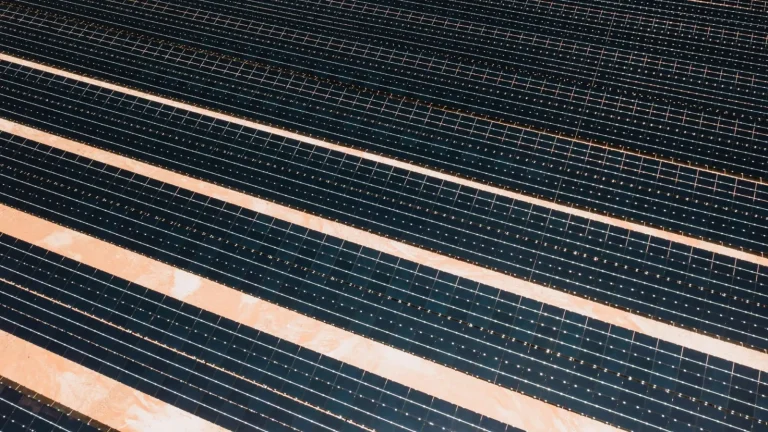
Solar and wind installations are increasingly common on mine sites, but they introduce variability that extraction operations aren’t designed to handle. Mining processes often require consistent, predictable power delivery. Battery storage systems can bridge gaps, but the capital costs are substantial, and the technology is still maturing for the scale required at large operations. Some mines are exploring hybrid systems – renewable generation plus grid connection plus battery storage – but integrating these requires careful engineering and ongoing management. I’ve seen operations struggle with the transition because the technical expertise for managing renewable-heavy energy systems differs significantly from traditional power management.
Scope 3 emissions – those embedded in transport and downstream processing – are harder to address directly. A mine operator can reduce on-site emissions, but the energy used to ship ore overseas or process it into finished products remains largely outside their control. This creates a gap between what companies can achieve through operational changes and what climate targets actually require.
Workforce and Regional Implications
The human dimension of this transition is substantial. Mining regions have built their economies around extraction. Skilled workers, supply chains, and local services all depend on mining activity. A shift away from coal or a consolidation of operations means job losses that regional economies struggle to absorb. Retraining programs exist, but they’re often inadequate in scale or relevance to the actual opportunities available in regional areas.
Some regions are attempting to position themselves as renewable energy hubs, leveraging the existing infrastructure and workforce. Solar and wind farms require ongoing maintenance and operation, though typically with smaller workforces than mining. Others are exploring value-add processing – turning raw materials into refined products locally rather than exporting ore. These transitions take time and require investment in new skills and infrastructure.
The mining companies themselves face pressure to support these transitions, both from community expectations and from their own long-term interests. An operation that closes abruptly without community support creates reputational damage and often faces regulatory complications. Companies that invest in regional diversification and workforce development tend to experience smoother operational transitions, though the financial burden is real.
Australia’s mining industry is not disappearing, but it is being reconfigured. Coal extraction will decline, likely substantially, over the next 10 to 15 years. Critical mineral production will expand but face its own environmental and market constraints. The transition is neither a catastrophe nor a simple transformation – it’s a prolonged adjustment with winners, losers, and significant uncertainty about the final shape of the sector. The operators I speak with understand this. They’re managing for a future that looks materially different from the past, with all the operational and financial complexity that entails.