
Australia has spent the better part of a century exporting what comes out of the ground – coal, iron ore, natural gas, agricultural products. That model still works, but the ground beneath it is shifting. Over the past five years, I’ve watched the conversation move from whether clean energy could reshape exports to how quickly it will happen and which sectors will lead. The transition isn’t theoretical anymore. It’s infrastructure being built, supply chains being rewired, and investment flowing into regions that were previously defined by a single commodity.
What strikes me most is how many people still think of clean energy exports as panels and turbines shipped overseas. That’s a small part of it. The real transformation is about what becomes possible when you have abundant, cheap renewable electricity. Suddenly you can manufacture things competitively that required expensive power before. Hydrogen production, aluminum smelting, battery components, rare earth processing – these industries cluster around cheap energy like nothing else. Australia has the solar and wind resources to generate that energy at scale. The question has always been whether the infrastructure and policy would follow the physics.
The Renewable Energy Foundation
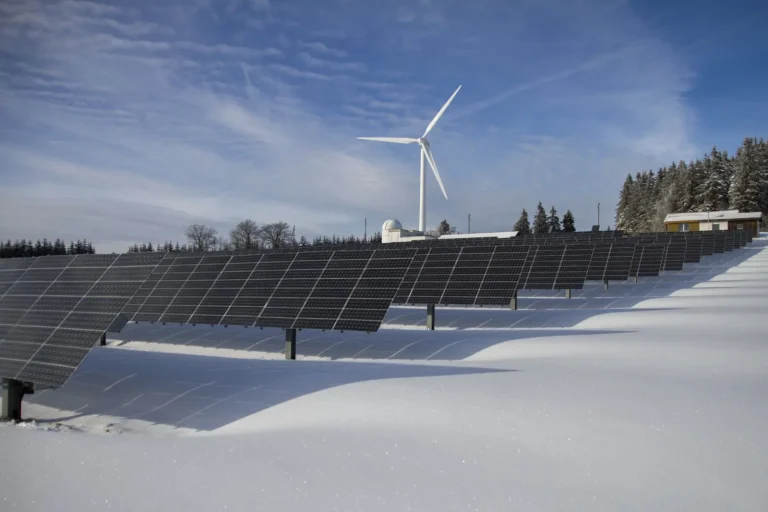
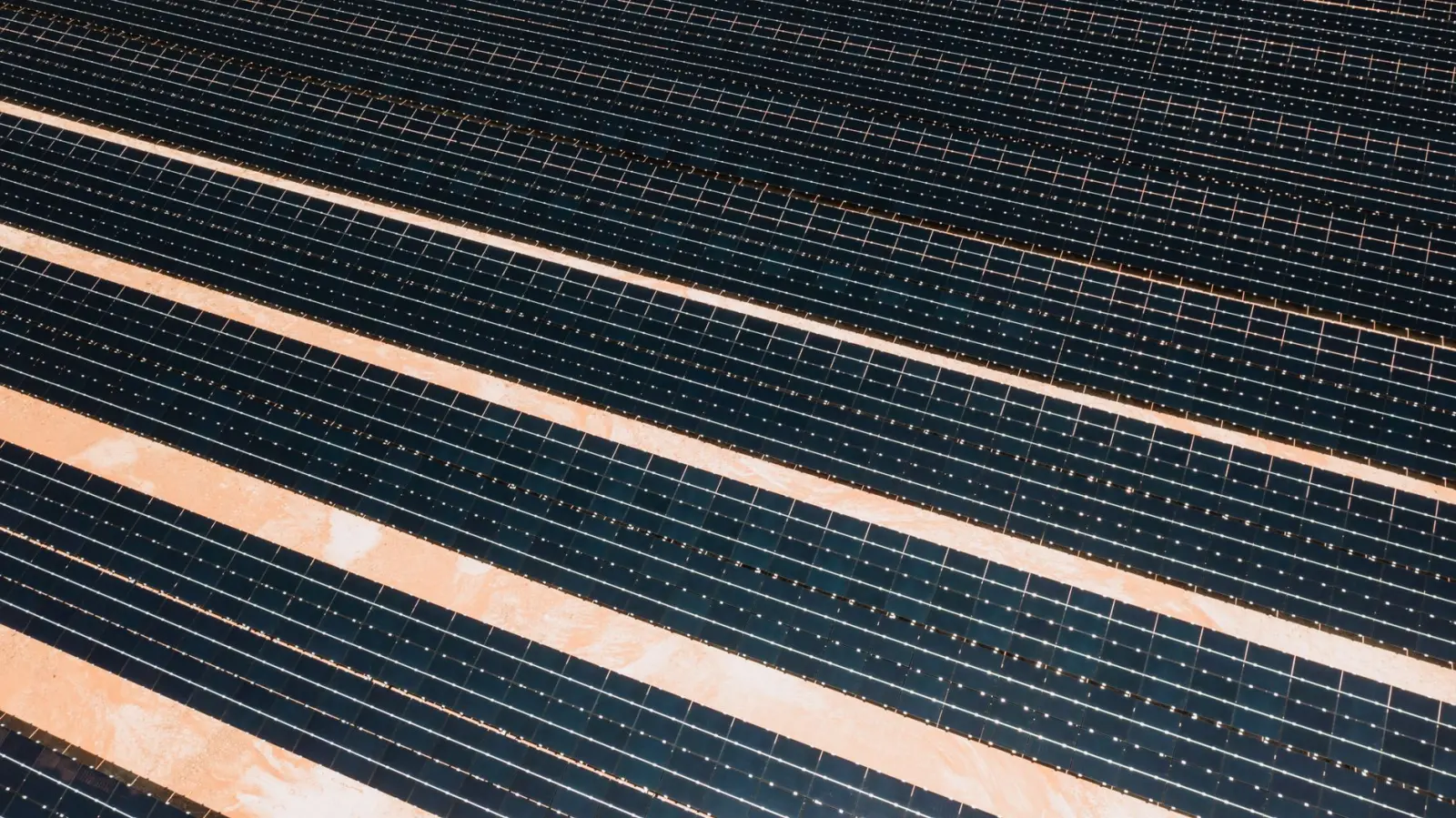
Australia’s renewable resource base is genuinely exceptional. The solar irradiance in inland regions rivals anywhere on Earth. Wind resources in Tasmania, South Australia, and parts of Western Australia are consistent and strong. This isn’t marketing material – it’s observable fact that anyone working in energy infrastructure sees reflected in capacity factors and generation data year after year. What changed in the last decade is that the cost of capturing that energy dropped far enough that it became economically rational to build massive amounts of it, not just for domestic consumption but with export economics in mind.
The grid infrastructure, though, is where reality gets complicated. Renewable energy is intermittent. You need storage, transmission, and backup capacity to make it reliable at scale. Australia’s existing transmission network was built around centralized coal plants and doesn’t naturally distribute power from where the best wind and solar resources are located to where it’s needed. Building new transmission corridors takes years, involves land negotiations, and requires coordination across state boundaries. I’ve seen projects delayed not because the technology failed but because getting agreement on who pays for the poles and wires took longer than the engineering.
What’s different now is that the economics have tipped hard enough that these infrastructure problems are being treated as solvable rather than insurmountable. Large-scale battery storage is becoming routine. Hydrogen electrolyzers are moving from pilot projects to commercial deployment. The National Hydrogen Strategy exists. State governments are actively promoting renewable energy zones. This is the foundation that makes export-focused manufacturing possible.
Green Manufacturing and Processing
The export opportunity sits at the intersection of cheap renewable electricity and Australia’s existing resource wealth. Consider aluminum. Australia has bauxite deposits and a long history of aluminum refining, but the process is energy-intensive. When electricity costs were high, that made Australian aluminum less competitive globally. Cheap renewable power changes the equation entirely. A smelter powered by dedicated solar and wind farms becomes an asset, not a liability. The same logic applies to rare earth element processing, fertilizer production, and advanced materials manufacturing.
Hydrogen is the most frequently discussed case, and for good reason. Green hydrogen – produced by splitting water using renewable electricity – has applications in industrial heat, long-haul transport, and as a chemical feedstock. Japan, South Korea, and parts of Europe have signaled serious demand for imported hydrogen. Australia can produce it at costs that are globally competitive, particularly if you’re exporting it as ammonia or other hydrogen-derived compounds that are easier to transport and store. I’ve seen feasibility studies for hydrogen production facilities that assume 10-15 year payback periods based on current and near-future hydrogen prices. That’s the kind of timeline that attracts real capital.
Battery manufacturing is another vector. Australia doesn’t have the lithium processing capacity that China dominates, but that’s partly because the economics haven’t favored building it here yet. Cheap renewable electricity and proximity to lithium mining operations in Western Australia and South Australia create a logical case for moving further up the value chain. Several projects are in development. They’re not yet at the scale of Asian battery factories, but the direction is clear.
The Export Multiplier Effect
What I find most interesting is the secondary impact. When you build a hydrogen production facility or a battery component factory, you don’t just export the product. You create demand for specialized equipment, maintenance services, technical expertise, and supply chain integration. Engineers, electricians, and technicians need training. Local suppliers emerge to serve the facility. Over time, the region develops capabilities that can support multiple industries.
This is different from coal or iron ore extraction, where the value chain is relatively linear. A coal mine needs miners, transport, and port facilities. A renewable energy-powered manufacturing hub needs all of that plus electrical engineers, process technicians, quality control specialists, and ongoing innovation capacity. The jobs tend to be more stable and higher-skilled. The regional economic resilience is stronger because you’re not dependent on a single commodity price.
Australia’s agricultural sector could also benefit in ways that aren’t always obvious. Renewable electricity enables large-scale desalination and water treatment, which matters in dry regions. It makes fertilizer production more cost-competitive. It enables cold-chain infrastructure for processed food exports. The synergies between clean energy infrastructure and agricultural productivity are real, even if they’re less dramatic than a new manufacturing facility.
The Constraints That Matter
None of this happens automatically. I’ve watched enough projects stall to know that policy uncertainty, grid connection delays, and financing complexity are genuine obstacles. A manufacturing facility needs certainty about electricity supply and pricing for 15-20 years. That requires long-term power purchase agreements, which require confidence in the grid and regulatory stability. Australia has improved on this front, but it’s still not as straightforward as in some other countries.
Capital availability is another factor. Building a hydrogen production facility or a battery component factory requires hundreds of millions of dollars upfront. Australian investment capital exists, but it competes globally. A project in Australia needs to offer returns that are competitive with similar projects in the United States, Europe, or Southeast Asia. That means the underlying economics have to be genuinely strong, not just theoretically possible.
Workforce skills are real too. You can’t quickly train the technicians and engineers needed to operate advanced manufacturing facilities. Australia has education capacity, but ramping it up takes time and requires visibility into what skills will actually be needed. Several industries are already reporting difficulty finding people with the right background. That’s a solvable problem, but it requires planning and investment in education and training.
The export market itself needs to develop. Demand for green hydrogen exists and is growing, but it’s not yet at the scale that would justify massive production facilities. Buyers need confidence that supply will be reliable and pricing competitive. That’s a chicken-and-egg problem that gets resolved through early projects demonstrating feasibility and building relationships. Several Australian projects are positioned to be among the first commercial-scale green hydrogen exporters, which is valuable positioning.
What I observe is that Australia is genuinely positioned to capture a significant share of clean energy-driven export growth over the next 10-15 years. The resource base is there. The technology is mature and cost-competitive. The policy environment is moving in the right direction, even if it’s not perfect. The constraint isn’t physics or resources. It’s execution – building the infrastructure, securing the capital, developing the supply chains, and maintaining the policy consistency needed to attract major investment. That’s a much more tractable problem than it was five years ago.