
Over the past five years, I’ve watched Australia’s electricity demand patterns shift in ways that most people don’t notice until they see their bill or experience a blackout risk notice. The changes aren’t uniform across the country, and they’re not simple. What’s happening now is fundamentally different from the steady, predictable demand curves we managed for decades.
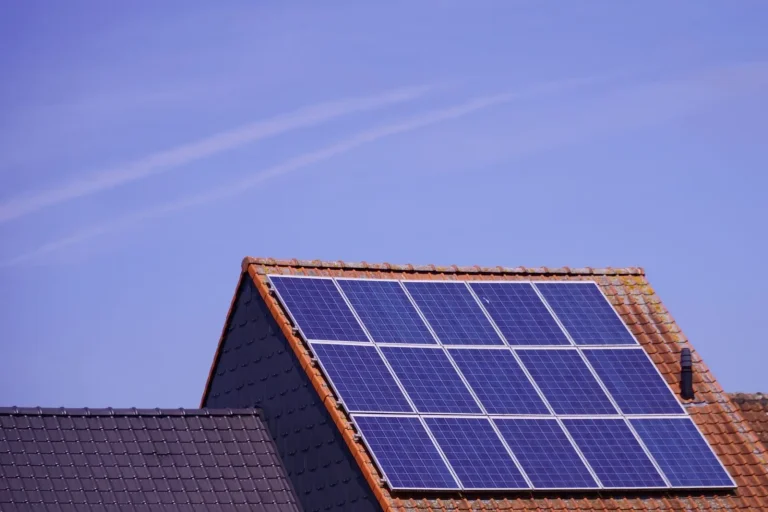
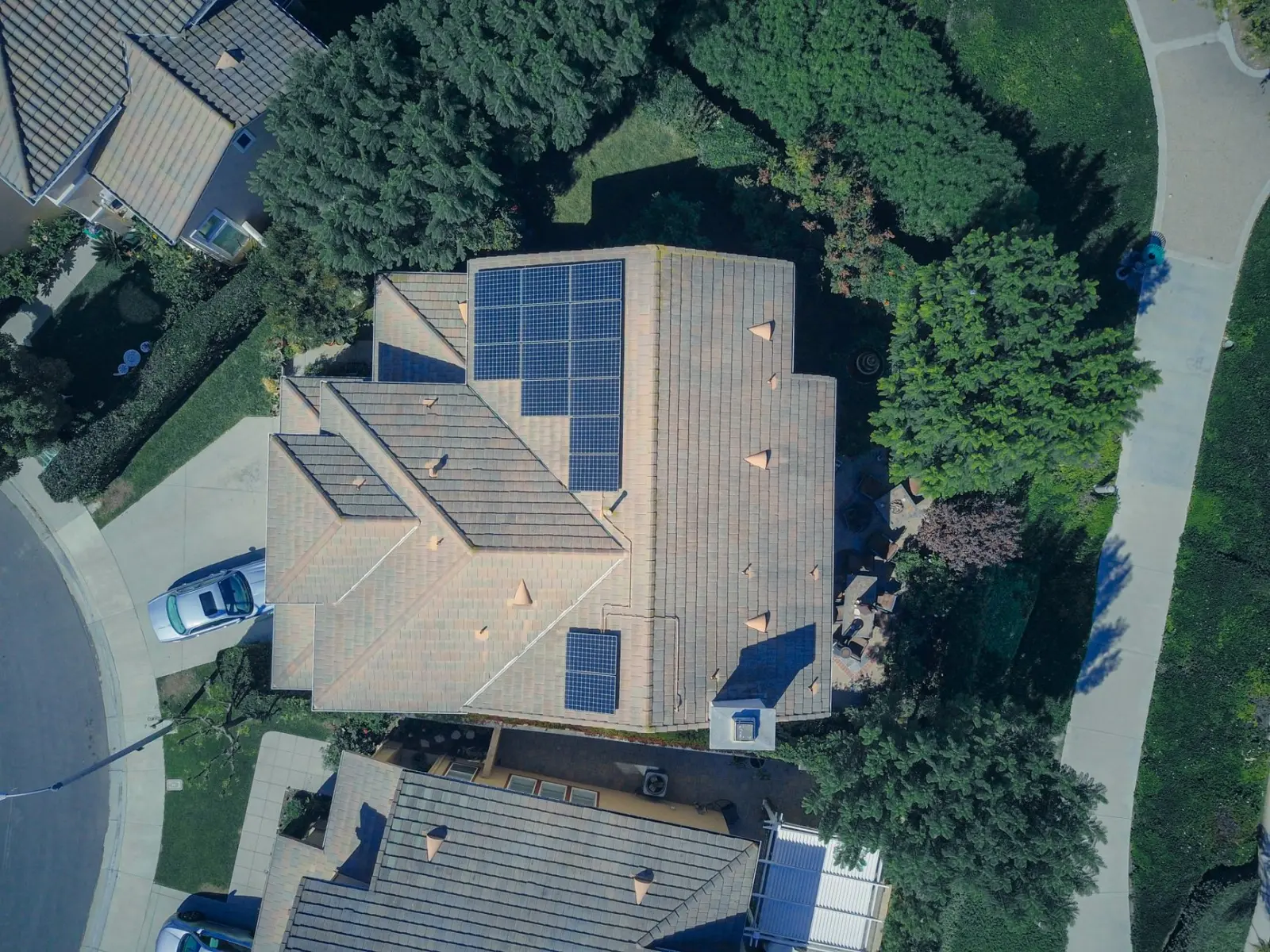
The most visible shift is the rise of distributed solar. Millions of homes now have rooftop panels, and that’s genuinely changed when and how much power flows through the grid. During midday, when the sun is strong, household demand drops sharply because people are generating their own power. But that creates a problem: the grid still needs to supply everyone else, and when the sun sets, demand spikes hard. The old pattern of a gentle morning rise, a plateau, and an evening peak has become more jagged and unpredictable. I’ve seen this play out in real time on network data – the afternoon dip is now steeper than it was ten years ago, and the evening ramp is more aggressive.
Heat and Cooling Demand
Climate stress is reshaping demand in ways that go beyond seasonal variation. Heatwaves now trigger synchronized demand spikes across entire regions because air conditioning loads concentrate within a few hours. In summer, when temperatures push past 35 degrees Celsius for several days, I’ve observed peak demand shifting earlier in the evening and lasting longer into the night. This is different from historical patterns where peak demand was more predictable and occurred at a consistent time.
The problem is compounded by the fact that cooling demand is largely inflexible. Unlike heating, which people can tolerate at slightly lower temperatures, air conditioning is often non-negotiable during extreme heat. Households and businesses run their systems hard, and there’s little room to shift that load. Older homes without good insulation or modern air conditioning systems draw even more power because they’re working inefficiently. I’ve seen network operators struggle during these events because the demand is simultaneous and sustained.
Winter demand patterns have also changed, though less dramatically. Electric heating is becoming more common in homes that previously relied on gas, particularly in regions where gas infrastructure is aging or absent. Heat pumps are being installed at a faster rate, and while they’re more efficient than resistive heating, they still represent a significant load during cold periods. The winter peak is flattening slightly compared to summer, but the trend is toward more year-round volatility rather than the old seasonal rhythm.
Work, Home, and Daytime Consumption
The shift to remote and hybrid work has had a measurable impact on daytime demand. When offices were the primary workplace, daytime demand in residential areas was relatively low. Now, with more people working from home several days a week, household consumption during business hours is noticeably higher. Heating, cooling, lighting, and appliance use spread across the day rather than concentrating in the evening. This might sound like a minor shift, but it changes how the grid operates and when peak capacity constraints appear.
Appliance usage patterns have also evolved. Dishwashers, washing machines, and electric vehicle charging are no longer confined to evening off-peak periods. People charge devices and run appliances throughout the day, and some households are deliberately shifting loads to midday to maximize their solar generation. This behavior is rational from a household perspective but creates new challenges for grid operators who need to balance distributed generation with distributed demand.
Electric Vehicle Adoption and Future Load
Electric vehicle charging represents a growing but still manageable portion of total demand. What matters more than current consumption is the trajectory. As EV adoption accelerates, the timing of charging will become critical. If most people charge overnight, the evening peak will intensify further. If charging spreads throughout the day or is managed intelligently, it could actually help flatten the demand curve. I’ve seen early adopters charge during the day to use their solar, while others charge overnight to take advantage of lower rates. The grid hasn’t yet felt the full impact because EV penetration is still relatively low, but the infrastructure planning happening now will determine whether this becomes a manageable load or a constraint.
Regional Variation and Grid Stress
Demand isn’t changing uniformly across Australia. Some regions are experiencing faster solar adoption and earlier evening peaks, while others are still following more traditional patterns. Queensland and New South Wales have seen the most dramatic shifts, partly because of high solar penetration and large populations in hot climates. South Australia has already experienced grid stress during periods of high demand and low wind generation, showing what happens when renewable variability meets concentrated demand.
The interconnection between state grids means that demand spikes in one region can affect supply reliability in neighboring areas. I’ve observed situations where a heatwave in one state triggers demand that pulls power from interstate, creating cascading pressure on multiple networks. This is more complex than managing isolated regional peaks because the system is now tightly coupled.
What’s becoming clear from years of watching these patterns is that Australia’s electricity system is transitioning from a predictable, centralized model to something more distributed, variable, and weather-dependent. The demand isn’t simply growing or shrinking – it’s changing shape, timing, and geography. Grid operators, network planners, and households are all adapting, but the adaptation is ongoing and imperfect. The next few years will likely see more investment in storage, smarter load management, and grid flexibility technology, because the old ways of matching supply to demand are no longer sufficient.