
Australia has spent the better part of a century building its economy on extractive industries – coal, iron ore, natural gas. That model still generates substantial revenue, but the structural shifts happening now are impossible to ignore. Over the past decade, I’ve watched the conversation change from “whether” green industries matter to “how quickly” they can scale. The transition isn’t hypothetical anymore. It’s happening in real time, and the businesses that are moving deliberately into these spaces are already capturing meaningful market share and attracting capital that used to flow exclusively toward traditional resource extraction.
What makes this moment different from previous economic pivots is the convergence of three factors: global demand for clean technology is accelerating, investment capital is flowing toward sustainable solutions at unprecedented levels, and Australia possesses genuine competitive advantages that are difficult for other countries to replicate. This isn’t about ideology. It’s about where the money is moving and where the structural opportunities actually exist.
Renewable Energy and Grid-Scale Manufacturing
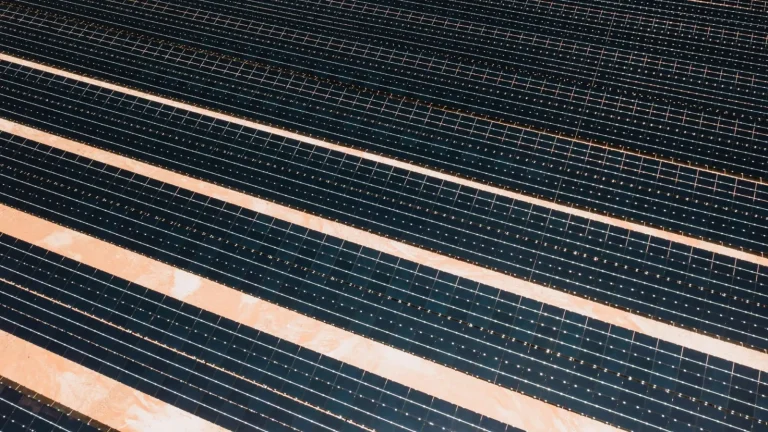
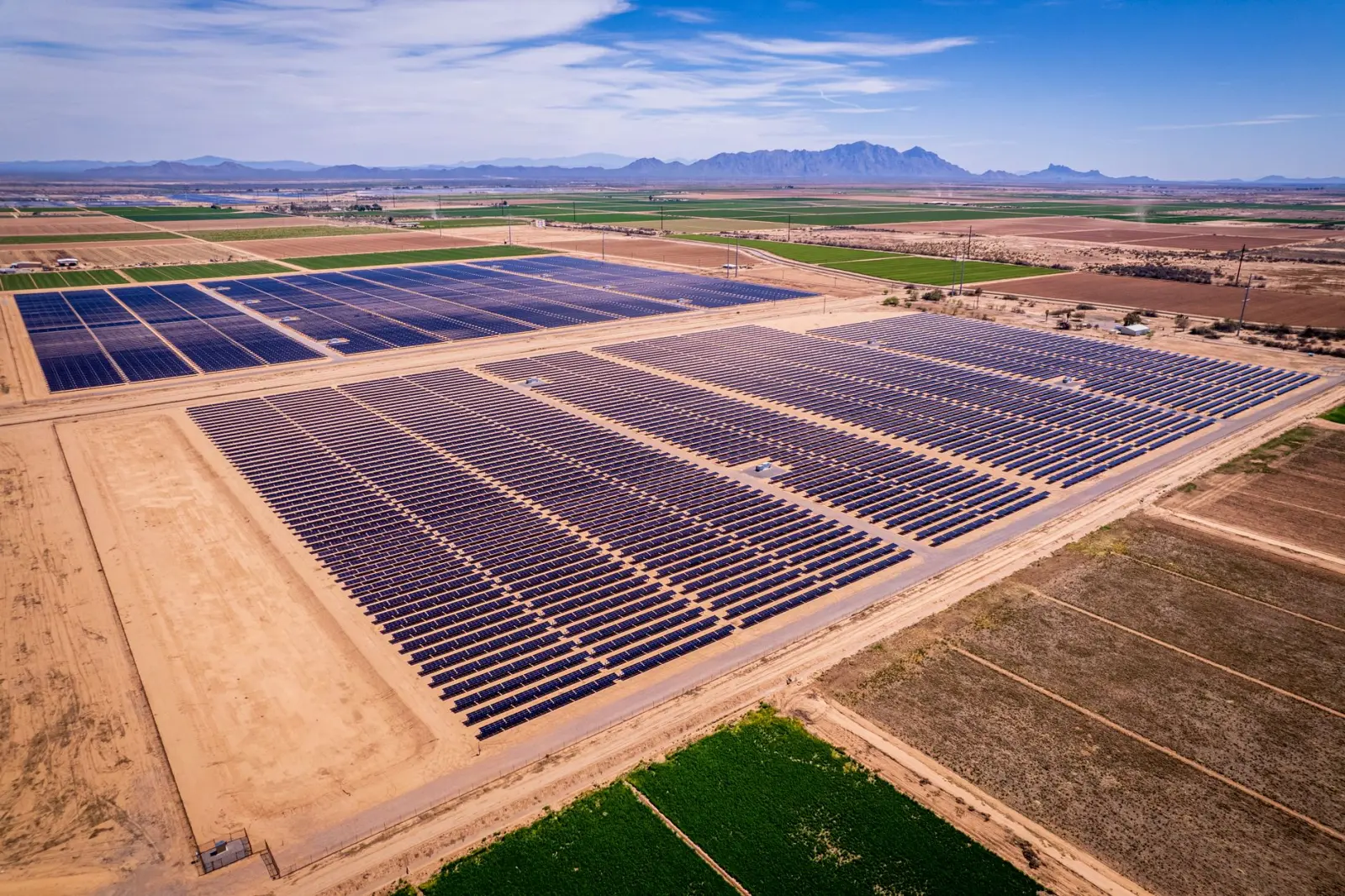
The renewable energy sector in Australia has matured beyond the pilot phase. Solar and wind installations are now routine infrastructure projects, and the economics have flipped entirely. A decade ago, renewable projects needed subsidies to compete. Now they’re often the cheapest option available, even without policy support. The real growth opportunity, though, isn’t just in generating renewable power – it’s in manufacturing the equipment that makes that possible.
Battery manufacturing and energy storage represent the next frontier. Australia has the raw materials – lithium, cobalt, rare earths – and the technical expertise to process them. Several manufacturers have already established operations here, and more are in planning stages. The advantage isn’t just cost. It’s proximity to Asian markets, established supply chains for critical minerals, and a workforce that can handle precision manufacturing. I’ve seen projects where the decision to locate in Australia came down to reliability and quality control as much as raw material access. That matters more than people realize when you’re building equipment that needs to perform consistently for 20 years.
Grid modernization creates another layer of opportunity. Transitioning from centralized fossil fuel generation to distributed renewable sources requires intelligent infrastructure – smart meters, advanced controls, energy management systems. The companies building these systems are growing faster than traditional utilities. They’re hiring engineers, software developers, and systems integrators. This is where the employment multiplier effect becomes significant. One manufacturing plant creates jobs in logistics, maintenance, and specialized services that ripple through regional economies.
Sustainable Agriculture and Food Production
Australia’s agricultural sector is enormous, but it’s also under pressure from climate variability and changing export markets. What I’ve observed is a bifurcation: producers who adapt to precision agriculture and sustainable practices are becoming more profitable, while those clinging to conventional methods are facing margin compression. Precision irrigation, soil health monitoring, regenerative grazing practices – these aren’t just environmental choices. They’re economic ones.
The export opportunity is substantial. Markets in Europe, Japan, and increasingly in Southeast Asia are paying premiums for food with verified sustainability credentials. Carbon-neutral beef, regeneratively grown grains, and sustainably farmed seafood command higher prices and attract long-term contracts. I’ve worked with producers who’ve shifted to these models and seen their margins improve within three to five years, even accounting for the transition costs. The investment in monitoring technology and practice changes pays for itself through price premiums and reduced input costs.
Agritech companies are emerging as significant players. Software platforms that help farmers optimize water use, predict disease, and manage soil health are attracting venture capital and strategic investment. These aren’t just startups anymore – some are reaching scale and expanding internationally. The talent pipeline is growing too. Agricultural science graduates now have career paths that didn’t exist ten years ago, in data analysis, remote sensing, and systems optimization.
Circular Economy and Advanced Recycling
Waste management and recycling have traditionally been low-margin, low-tech sectors. That’s changing. Advanced recycling facilities that can process complex materials – mixed plastics, electronics, construction waste – are becoming genuinely profitable operations. The economics work because raw material prices are rising, and manufacturers are increasingly willing to pay for recycled inputs that meet their specifications.
What makes this different from traditional recycling is the technology involved and the quality of the output. Modern facilities use sorting automation, chemical processing, and material science to recover materials that were previously considered waste. The capital requirements are substantial, but so are the returns. Several large-scale projects are in development across Australia, and they’re attracting institutional investment because the business model is sound and the environmental benefit is real.
Construction and demolition waste represents a particularly large opportunity. Australia generates millions of tonnes of this material annually, and most of it still ends up in landfills. Companies that can process this waste into usable materials – recycled aggregates, recovered timber, reclaimed metals – are finding strong demand from builders and infrastructure projects. The circular economy isn’t just a concept here; it’s becoming operational infrastructure.
Water Technology and Management
Water scarcity is a defining challenge for Australia, and it’s driving innovation in water treatment, recycling, and management technology. Desalination plants, wastewater recycling systems, and agricultural water optimization are all active sectors with growing investment. The companies developing these technologies are exporting them globally, which creates export revenue and establishes Australia as a center of expertise.
I’ve observed that water technology tends to attract different capital than energy or agriculture. It’s often more specialized, with longer sales cycles and higher barriers to entry. That means less competition and more sustainable margins for companies that establish themselves early. Several Australian firms have become global leaders in specific niches – membrane technology, advanced treatment processes, integrated water management systems. These are high-value exports with recurring revenue streams.
The Capital and Talent Dynamics
What’s accelerating the transition is capital availability. Superannuation funds, institutional investors, and international capital are increasingly allocating to green technology and sustainable business models. This wasn’t true five years ago. The shift in capital allocation is fundamental because it removes the financing constraint that used to limit growth in these sectors.
Talent is following capital. Engineers, scientists, and business professionals are increasingly choosing roles in green industries over traditional sectors. The perception has shifted from “environmental work” to “where the growth is.” Universities are expanding programs in renewable energy, sustainable agriculture, and circular economy management. This talent pipeline is essential for scaling these industries.
Australia’s position is distinctive. We have natural resources, technical expertise, established manufacturing capacity, and geographic advantages. We also have a stable regulatory environment and access to capital. The convergence of these factors creates genuine economic opportunity. The industries that are emerging now – renewable energy manufacturing, sustainable agriculture, advanced recycling, water technology – are not niche sectors. They’re becoming the backbone of the economy. The question isn’t whether they’ll matter. It’s how quickly the transition happens and which regions and companies capture the most value.