
Over the past decade, I’ve watched the assumptions that underpinned Australian resource extraction shift more dramatically than at any other point in my career. The global energy transition isn’t a distant policy conversation anymore. It’s reshaping which minerals command premium prices, which extraction methods remain viable, and which regions of Australia will see investment boom or decline. The changes are material and immediate, not theoretical.
The transition creates a peculiar paradox for Australia. The world needs more of certain resources than ever before – lithium, cobalt, nickel, copper, rare earths – because renewable energy systems and electric vehicles demand them in volumes that dwarf traditional energy infrastructure. At the same time, the industries that have historically driven Australian mining revenue and export earnings face structural headwinds. Coal and oil, which have anchored the economy for generations, are being systematically displaced. The speed and scale of this shift is what catches most people off guard.
What I’ve observed is that the transition isn’t happening uniformly across resource types or geographies. Some Australian operations are positioned to benefit enormously. Others are caught in a long, slow decline that investors are only now beginning to price in seriously. The distinction often comes down to whether a resource is essential to the new energy system or whether it’s simply becoming obsolete.
The New Mineral Hierarchy
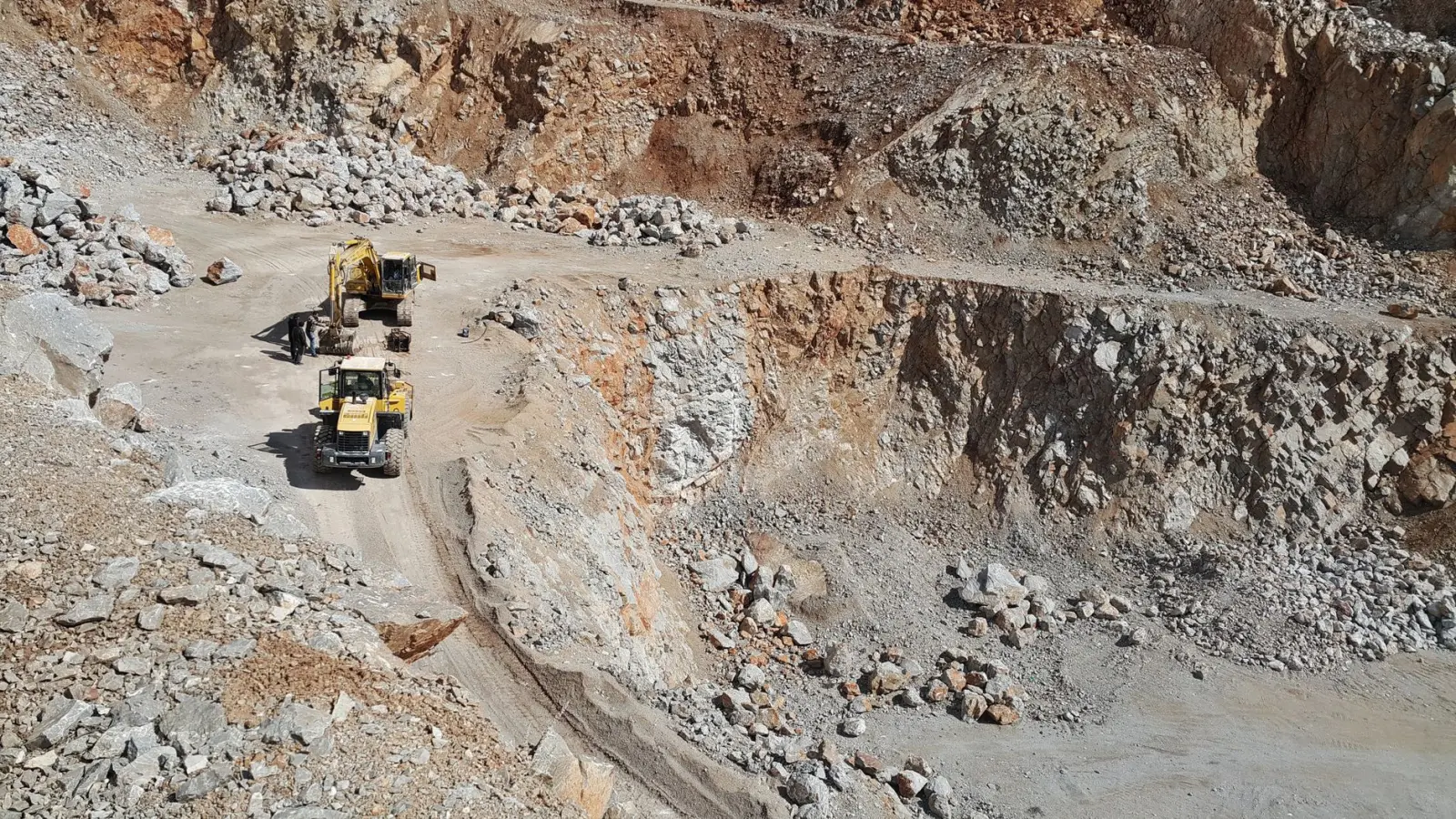
Lithium extraction in Western Australia and Queensland has become the clearest example of how quickly fortunes can reverse. Ten years ago, lithium was a niche material. Today it’s fundamental to battery manufacturing, and Australia’s lithium resources are among the world’s most accessible and cost-competitive. Prices have been volatile, but the long-term demand curve is unmistakable. I’ve seen exploration budgets in lithium regions expand by orders of magnitude, and processing capacity is being built at a pace that would have seemed reckless five years ago.
Copper tells a different story, though the conclusion is similar. Copper demand is rising because renewable energy systems and electric vehicle charging infrastructure require substantial copper wiring and components. Australia’s copper reserves are significant but not exceptional globally. What matters is that copper mining here remains economically viable even as the resource base requires deeper, more complex extraction. The transition doesn’t eliminate copper demand; it sustains it at levels that keep Australian operations competitive.
Nickel is instructive because it shows how the same resource can be both opportunity and trap. Battery-grade nickel is in high demand. But much of Australia’s nickel comes from laterite deposits that require different processing than the sulfide ores that traditional nickel producers have worked with. Some operations have adapted successfully. Others are struggling to justify the capital investment required to shift to battery-grade production. The resource exists, but the market is increasingly indifferent to nickel that doesn’t meet new specifications.
Coal and Gas Face Structural Decline
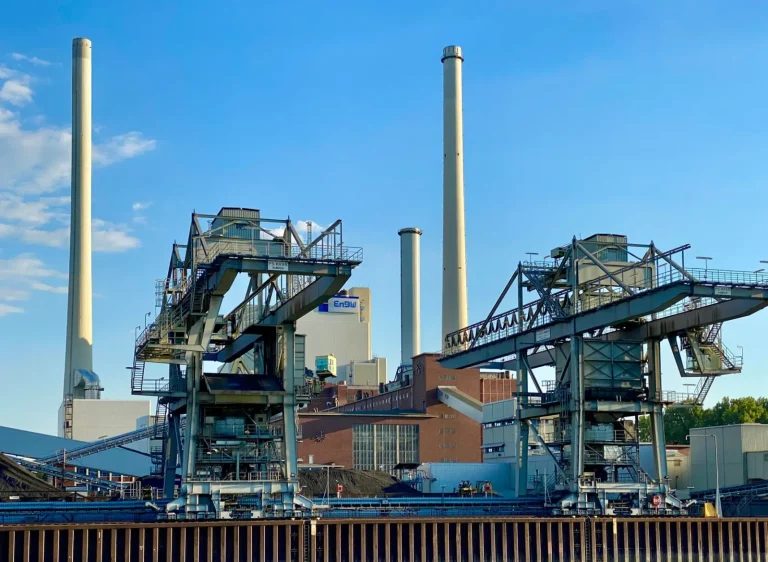
Coal is the most obvious casualty. Australia’s coal exports have been substantial for decades, and coal mining communities across Queensland and New South Wales have built their entire economic identity around the industry. What I’ve observed is that the decline isn’t temporary or cyclical. It’s structural. Every major economy is setting binding targets to reduce coal consumption. Some are moving faster than others, but the direction is consistent. Coal demand will not return to previous levels, regardless of short-term price movements or political shifts.
The timeline matters. Coal mining operations typically have 20- to 40-year planning horizons. New mines are rarely opened without expecting to operate for decades. That calculus has fundamentally changed. Investors are now asking not whether a coal mine is profitable today, but whether it will be viable in 2035 or 2045. The answer, increasingly, is no. This is creating a wave of mine closures and stranded assets that Australian communities are only beginning to reckon with.
Natural gas occupies an awkward middle position. It’s cleaner than coal, and it’s useful for balancing renewable energy systems that generate intermittently. Some jurisdictions are using gas as a transition fuel. But the transition is supposed to be temporary. Long-term, renewable energy plus storage is meant to displace gas entirely. Australia has substantial gas reserves and a developed export industry, but the long-term demand outlook is uncertain. New gas projects are increasingly difficult to finance because investors worry about stranded assets. Existing operations can still generate returns, but expansion is becoming harder to justify.
Processing and Value-Add Remain Underdeveloped
One pattern I’ve noticed repeatedly is that Australia extracts raw materials exceptionally well but struggles to capture value through processing and manufacturing. Lithium ore is mined here and shipped overseas for refining. Rare earths are extracted but processed elsewhere. This made sense historically when energy was cheap and labor was expensive in developed nations. The energy transition changes those economics.
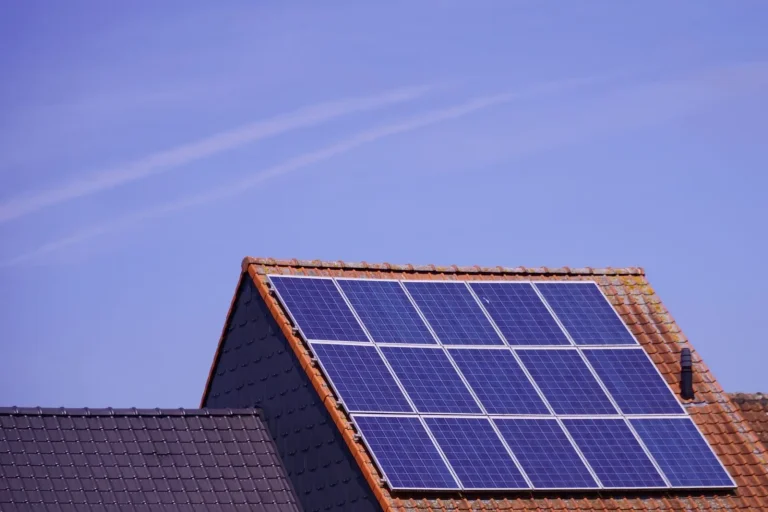
Processing lithium, refining cobalt, and manufacturing battery components are energy-intensive. As renewable energy becomes cheaper and more abundant, the advantage of processing in locations with cheap electricity grows. Australia has excellent renewable energy resources, particularly solar and wind. Building processing capacity here would capture more value from extracted resources and create more durable employment than mining alone provides. But the capital requirements are substantial, and the supply chains are still being established. I’ve seen some investment in this direction, but it remains limited relative to the opportunity.
Regional Concentration and Community Impacts
The transition is not distributed evenly across Australia. Western Australia benefits disproportionately from lithium and other battery minerals. Queensland’s coal regions face the steepest decline. New South Wales is caught between coal decline and potential opportunities in minerals and renewable energy infrastructure. This geographic unevenness is creating winners and losers within the country, and the adjustment is painful in regions that lack economic alternatives.
Mining communities that have depended on coal for 50 years cannot simply transition to lithium extraction. The skill sets overlap partially, but the scale of employment is different. Lithium mining is capital-intensive and employs fewer workers per unit of output than coal mining did. Renewable energy infrastructure requires different skills entirely. I’ve observed that regions managing this transition successfully are those investing in education, diversification, and new industries before the old ones fully collapse. Regions that wait tend to face steeper economic decline.
Investment and Risk Recalibration
What’s shifted most dramatically in my observation is how investors evaluate resource projects. Ten years ago, a coal mine or gas field could attract capital based on historical demand trends and near-term profitability. Today, investors increasingly demand evidence that a project will remain viable through the 2040s. This is creating a bifurcation in capital flows. Projects aligned with energy transition demand attract capital readily. Projects dependent on declining commodities face higher financing costs or no access to capital at all.
This shift is happening faster in some investor communities than others. European and increasingly Asian investors are integrating energy transition risks into their resource evaluations. Some Australian and American investors have been slower to adjust. But the gap is narrowing. As more capital reallocates, the cost of financing coal and gas projects rises, which accelerates the transition regardless of political preferences.
The global energy transition is reshaping Australian resources in ways that are already visible if you know where to look. Some resources are becoming more valuable and more essential. Others are entering a managed decline that will take decades but is now inevitable. Australia’s economic future depends on how effectively the country transitions from being a supplier of energy commodities to being a supplier of the materials and energy systems that the world actually needs going forward. The resources are here. What remains uncertain is whether the investment, processing capacity, and workforce development will follow.