

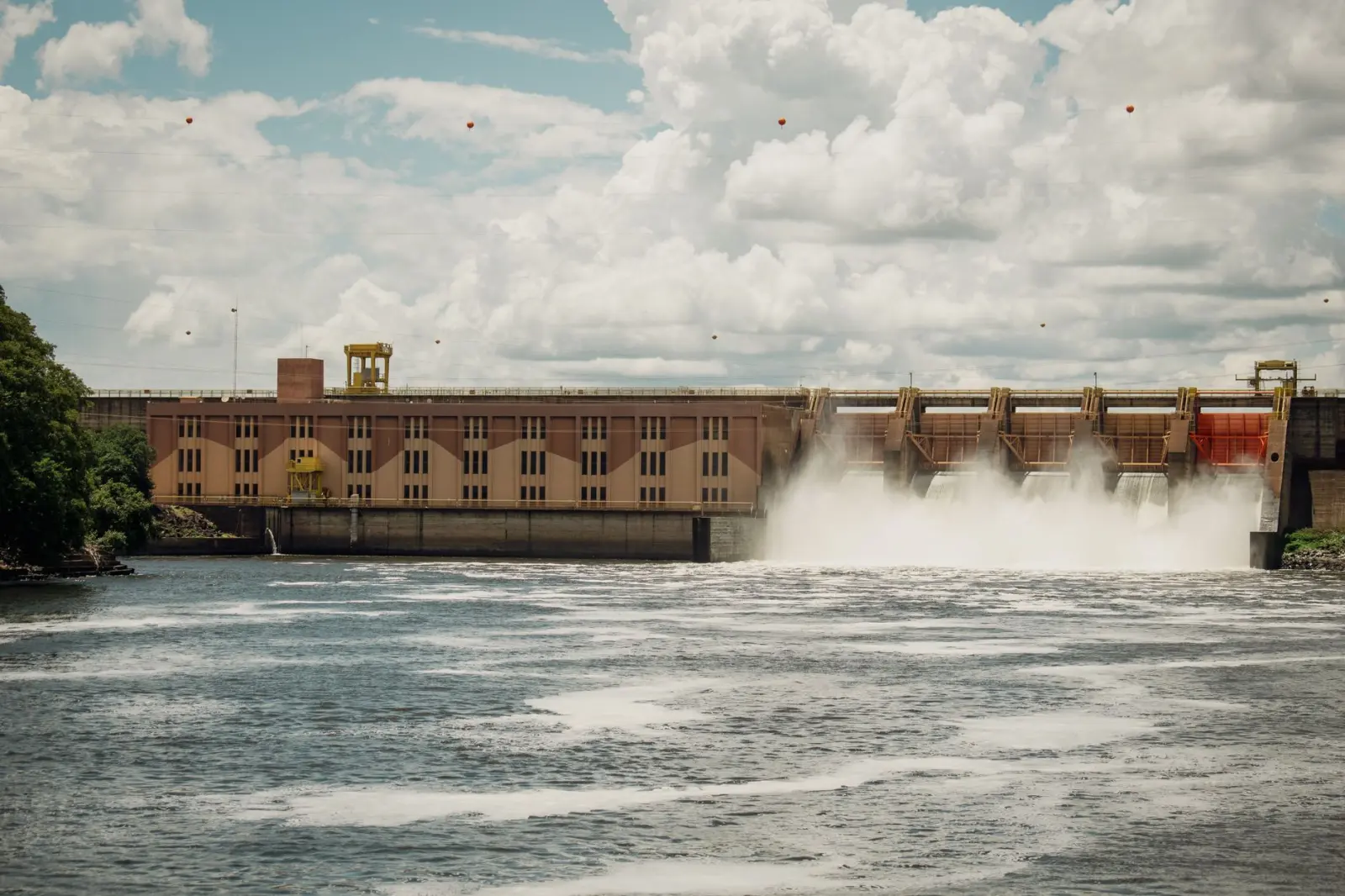
Australia’s hydropower stations don’t dominate the national energy conversation the way solar and wind do these days, but they occupy a position that’s difficult to replace. I’ve watched the energy mix shift significantly over the past couple of decades, and what strikes me most about hydro is how its value has become less about sheer volume and more about what it can do when other sources can’t. The dams and run-of-river schemes scattered across Tasmania, the Snowy Mountains, and Queensland’s inland regions generate roughly 6 to 7 percent of the nation’s electricity in an average year, which sounds modest until you understand what that generation actually provides.
The fundamental difference between hydropower and other renewables lies in storage and dispatch. A solar farm generates when the sun shines. A wind turbine generates when wind blows. A hydroelectric dam generates when water is released, and that timing is entirely within human control. This distinction becomes critical during peak demand periods or when other renewable sources underperform. I’ve seen grid operators rely on hydro stations to smooth out the variability that comes with high solar and wind penetration, and that buffering function is worth far more than a simple megawatt-for-megawatt comparison would suggest.
The Snowy Scheme and Baseline Capacity
The Snowy Mountains Hydroelectric Scheme remains the backbone of Australia’s hydro infrastructure. Built across several decades starting in the 1940s, it comprises multiple dams, power stations, and an intricate system of tunnels and aqueducts that move water across catchment boundaries. The scheme’s installed capacity sits around 4,400 megawatts, though actual output varies considerably with rainfall and water availability. In wet years, it can contribute substantially to eastern Australia’s grid. In dry years, output drops noticeably, and this variability is something the system has learned to accommodate.
What many people don’t fully grasp is that the Snowy Scheme does more than generate electricity. It manages water for irrigation, domestic supply, and environmental flows across multiple states. The hydroelectric component is integrated into a much larger water management framework, which means operational decisions involve trade-offs that go well beyond energy production. I’ve observed how drought periods create real tension between maintaining reservoir levels for power generation and meeting agricultural and municipal water demands. These constraints are rarely discussed in energy policy debates, but they shape what hydro can actually deliver in any given year.
Stability and Frequency Response
One of hydro’s most underappreciated roles involves grid stability. Hydroelectric generators have substantial rotating mass in their turbines and generators, and this physical inertia helps stabilize the frequency of the electrical grid when sudden demand spikes occur or when other generators trip offline unexpectedly. As Australia’s grid has become increasingly dependent on inverter-based renewables like solar and wind, which don’t provide the same inertial response, the stabilizing effect of hydro has become more valuable, not less.
Hydro stations can also ramp up or down their output extremely quickly compared to thermal generators. A coal or gas plant takes time to adjust its output meaningfully. A hydro station can increase generation within seconds by opening spillway gates or adjusting turbine intake. This rapid response capability means hydro acts as a shock absorber for the grid, absorbing sudden surges in renewable generation or compensating for unexpected shortfalls. During periods of high solar midday generation followed by rapid sunset ramps, hydro’s flexibility becomes genuinely essential to maintaining stable voltage and frequency across the network.
Regional Generation and Transmission Constraints
Tasmania’s hydroelectric system deserves specific attention because it represents a different model from the mainland schemes. Tasmania has invested heavily in hydro development over more than a century, and hydro now accounts for roughly 50 to 60 percent of the state’s electricity generation in average years. This makes Tasmania somewhat unique in Australia’s energy landscape. The state’s hydro resources have allowed it to maintain relatively low electricity costs and low emissions, though this advantage is now being tested by increasing demand and variable rainfall patterns.
The transmission connection between Tasmania and the mainland, known as Basslink, adds another layer of complexity. When Tasmania’s hydro output is high, it can export power southward. When output is low, Tasmania must import power, which affects pricing and grid dynamics across the broader region. I’ve watched how dry periods in Tasmania can have ripple effects through the national grid, particularly when other regions are also experiencing lower hydro output. The interconnectedness means that regional hydro performance becomes a factor in national energy security calculations.
Competing Pressures and Emerging Challenges
Hydropower’s role in Australia’s energy system is increasingly complicated by competing demands on water resources. Climate variability has intensified in recent years, and several extended dry periods have demonstrated how vulnerable hydro output can be to prolonged drought. The Murray-Darling Basin scheme, which includes hydroelectric components, operates under strict environmental flow requirements that limit how much water can be diverted for power generation. These environmental constraints are appropriate and necessary, but they do reduce the available hydro capacity that can be reliably counted on during peak demand periods.
Expansion of hydro capacity has become politically and environmentally contentious. New dam construction faces significant opposition due to environmental impacts on river ecosystems, and suitable sites for large-scale hydro development are increasingly scarce. Pumped-hydro schemes, which use off-peak electricity to pump water uphill into reservoirs and then release it during peak demand, offer a way to expand effective storage capacity without requiring new dam sites. Several pumped-hydro projects are in development or under consideration, and these represent the most realistic pathway for expanding hydroelectric storage in Australia without the environmental footprint of traditional dams.
The integration of battery storage technology is also changing how hydro fits into the broader energy picture. Large-scale lithium-ion batteries can now provide rapid frequency response and short-term storage that previously would have relied on hydro. This doesn’t make hydro redundant, but it does shift its optimal role toward longer-duration storage and seasonal balancing rather than sub-second grid stabilization. The two technologies complement each other more than they compete, though grid planners are still working through the optimal mix and deployment strategy.
What I’ve observed over years of watching Australia’s energy sector evolve is that hydropower’s importance tends to be underestimated during periods of abundant renewable generation and overestimated during supply crunches. The reality sits somewhere in between. Hydro provides irreplaceable flexibility, storage, and stability that no other technology currently deployed in Australia can fully replicate. Its contribution to the grid isn’t primarily about megawatt-hours generated, though those matter. It’s about what hydro does during the times when everything else is struggling – filling gaps, stabilizing frequency, and buying time for other systems to respond. As Australia continues to transition toward higher renewable penetration, that role will likely become even more critical, not less.