
Over the past five years, I’ve watched the energy sector in Australia undergo a transformation that most people outside the industry don’t fully grasp. It’s not just about installing solar panels or building wind farms. The shift is remaking entire job categories, creating genuine skill mismatches, and leaving some regions scrambling while others boom. The change is uneven, fast, and creating real friction in the labour market.
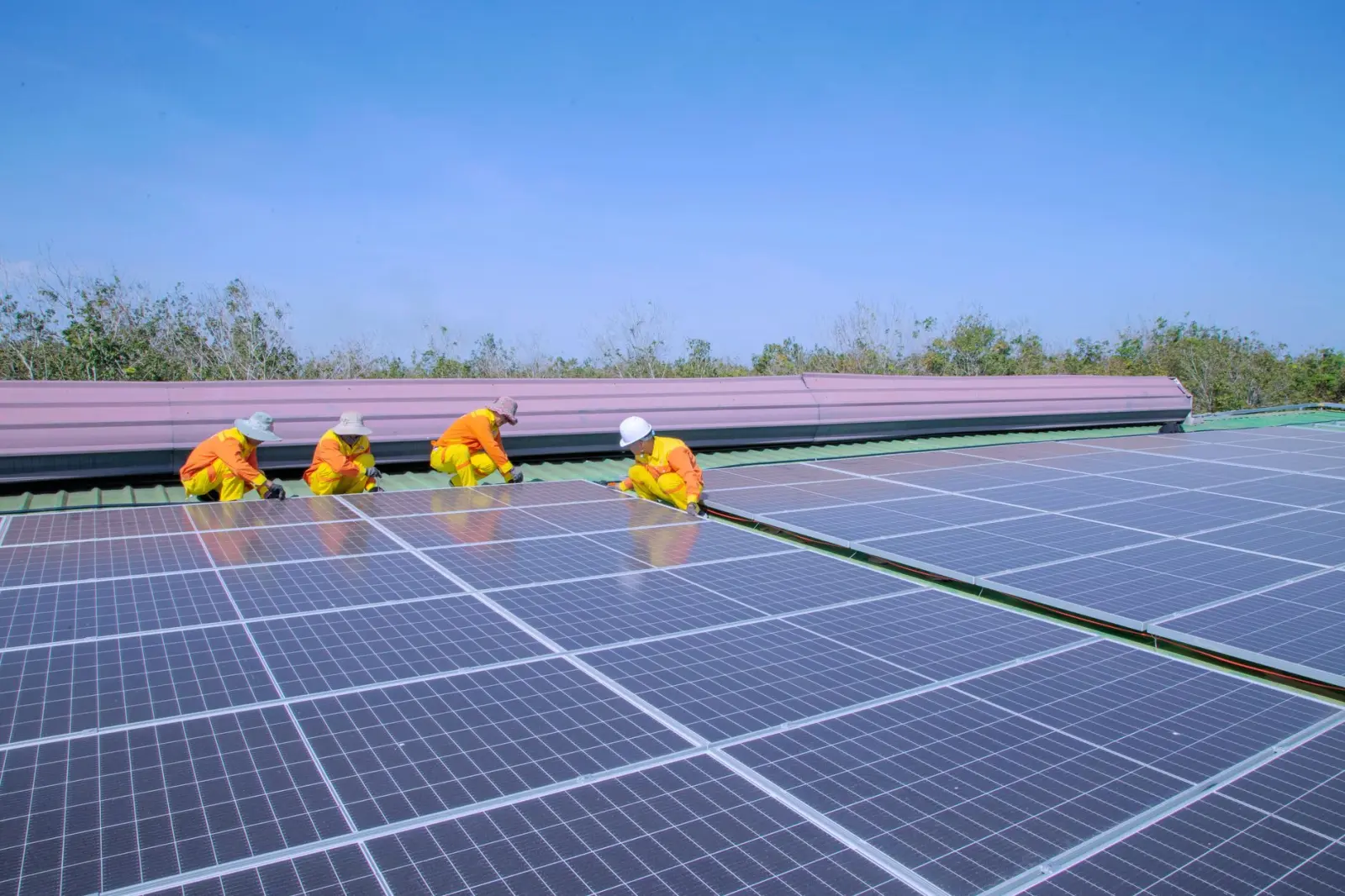
The most obvious shift has been in construction and installation work. Electricians and solar installers are in high demand, but not all electricians are equally valuable anymore. A sparky trained fifteen years ago in domestic wiring might find themselves competing for work with younger installers who understand battery systems, inverters, and grid integration. The technical knowledge required has deepened significantly. I’ve seen experienced tradespeople have to retrain or accept lower-paid work because their existing qualifications don’t align with what employers now need.
What’s less visible but more disruptive is what’s happening in traditional power generation and distribution. Coal-fired power stations are closing. Gas plants are being mothballed or repurposed. The maintenance crews, operators, and engineers who spent decades working in those facilities face genuine uncertainty. Some transition smoothly into renewable energy maintenance roles. Others find the work is geographically distant or requires skills they don’t have. The retraining programs exist, but they’re not always well-timed or accessible to workers in their fifties or sixties.
Regional Employment Patterns Are Diverging Sharply
The geographic dimension of this transition is stark. Hunter Valley communities built around coal mining and power generation are experiencing real job loss. At the same time, areas with good wind resources or suitable solar installations are seeing construction booms. This isn’t balanced. A coal mine closure in one town doesn’t automatically mean a wind farm job in the next town over. Workers often face a choice between relocating or accepting lower-wage work in services or retail.
I’ve worked with local councils in regions where the energy transition is happening fastest, and the mismatch between job losses and job creation is real. The new jobs in renewable energy installation and maintenance tend to be contract-based and project-dependent. They’re not the stable, long-term employment that coal or gas provided. A solar farm might employ thirty people during construction and five during operation. That’s a fundamental change in employment structure.
Grid modernisation is creating a different kind of work. The shift toward distributed energy, microgrids, and smarter electricity networks requires technicians who understand both traditional electrical systems and digital control systems. Network operators need to manage complexity that didn’t exist ten years ago. This is driving demand for people with hybrid skills – part electrician, part IT technician. These roles are emerging faster than training programs can produce qualified workers.
Skills Development Is Lagging Behind Demand
Vocational training and apprenticeship systems are struggling to keep pace. A four-year apprenticeship designed five years ago might not cover the technologies that employers need today. Battery technology, for instance, has evolved dramatically. Inverter specifications change annually. By the time a curriculum is updated and approved, the technology has moved on again.
I’ve spoken with training providers who are caught between delivering accredited qualifications and meeting the actual needs of employers. Some have started offering short, intensive courses in specific technologies alongside traditional apprenticeships. It’s a pragmatic response, but it creates a fragmented training landscape where workers aren’t always sure which qualifications will be most valuable.
The shortage is particularly acute in areas like battery installation and maintenance, high-voltage systems integration, and renewable energy project management. These roles often require a combination of technical knowledge and experience that takes years to build. Companies are increasingly offering in-house training or sponsoring workers through external courses, but this creates inequality. Workers in well-resourced companies get better development opportunities than those in smaller firms.
What’s Actually Happening in Established Roles
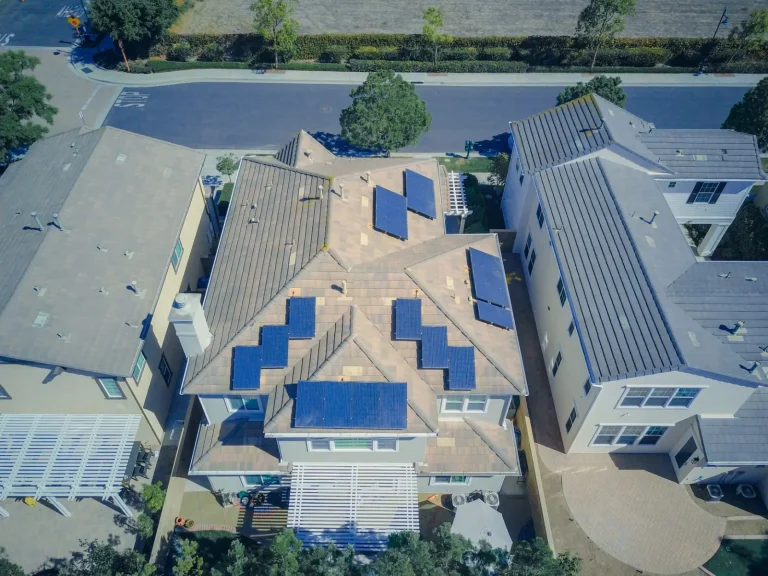
Electricians remain in demand, but the work is shifting. Residential solar installation is now a major part of the workload in many areas. Commercial and industrial installations are more complex and better-paid, but they require additional certifications and knowledge. The traditional domestic rewiring and maintenance work still exists, but it’s increasingly competed for by installers who’ve moved into the residential sector from larger commercial projects.
Plumbers and HVAC technicians are seeing less direct impact from the energy transition, but it’s creeping in. Heat pump installation is becoming more common as gas heating becomes less attractive. Some plumbers are adding heat pump certification to their services. It’s not a wholesale career change, but it’s another example of how energy transition is creating pressure on existing trades to expand their knowledge base.
Engineers in utilities and energy companies face a different challenge. Fossil fuel expertise is becoming less valuable. Engineers trained in coal plant operation or gas turbine management find their specialisation narrowing. Some transition into renewable energy engineering or grid management. Others move into consulting or leave the sector entirely. The loss of experienced engineering knowledge is a real concern for the industry, even if it’s not always visible in employment statistics.
Project management roles are expanding across the renewable energy sector. These positions often attract people from outside the traditional energy industry – people with construction management, IT project management, or general business backgrounds. This is democratising access to some energy sector jobs, but it’s also creating competition for traditional energy sector workers who might have expected to move into management roles.
The Uneven Pace of Change
What strikes me most is how unevenly this is all happening. In some areas, the transition is rapid and visible. In others, it’s barely started. A regional town still served primarily by a gas-fired power station might not see significant change for another five to ten years. Meanwhile, a suburb with high solar penetration and battery storage is already operating in a fundamentally different energy environment.
This creates real uncertainty for people making career decisions. A young person choosing a trade today has to make an educated guess about what skills will be most valuable in five or ten years. Some are hedging their bets by training in areas like electrical work that will remain relevant regardless of the energy mix. Others are deliberately targeting solar and renewable energy installation, betting that demand will continue to grow.
The employment transition is also creating a class divide. Workers with access to good training, supportive employers, and geographic mobility are adapting relatively well. Workers in remote areas, older workers, and those without access to retraining support are facing genuine hardship. Government support programs exist, but they’re often inadequate or poorly targeted.
What’s clear from working in this space is that the energy transition is not just an environmental or economic issue – it’s a labour market issue with real human consequences. The jobs are changing faster than training systems can respond. Geographic disruption is real. Skills mismatches are creating friction. And the transition is not being experienced equally across the workforce. These are the practical realities that sit behind the statistics and policy discussions.