
Australia has spent decades positioning itself as a resource exporter, but the nature of that role is shifting faster than most policymakers anticipated. The global movement toward decarbonisation isn’t simply an environmental imperative – it’s becoming the dominant economic reality shaping investment, trade flows, and competitive advantage across industries. For a country with Australia’s particular mix of resources, technical capability, and geographic reach, this transition presents a genuine economic opportunity, though one that requires deliberate positioning rather than passive adaptation.
The decarbonisation wave is creating demand for materials and technologies that Australia is genuinely well-placed to supply. Renewable energy infrastructure, battery storage systems, and the minerals required to manufacture them all represent growing markets with real export potential. Unlike some countries that must import raw materials to participate in these industries, Australia sits on substantial reserves of lithium, cobalt, nickel, and rare earth elements. The question isn’t whether these materials will be needed – global demand for battery metals alone is projected to increase several times over in the coming decades – but whether Australia will capture the value-added processing and manufacturing that sits between raw ore extraction and finished products.
Where Processing Creates Real Economic Value
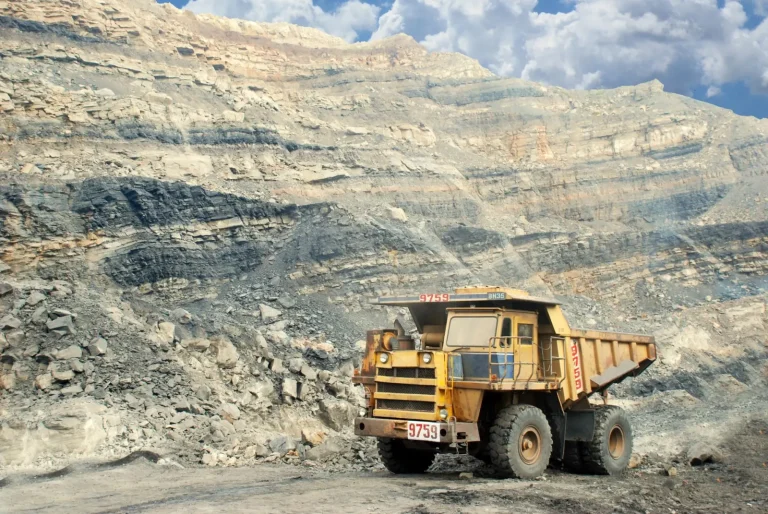
I’ve observed this pattern repeatedly across resource-dependent economies. Countries that extract ore and ship it overseas capture a fraction of the economic benefit compared to those that process and refine domestically. Australia has historically been comfortable with that arrangement, but the economics of decarbonisation are changing the calculus. Battery manufacturing, for instance, requires processed minerals, not raw ore. A tonne of lithium ore generates far less economic activity and employment than a tonne of processed lithium hydroxide or lithium carbonate. The same logic applies to cobalt refining, nickel processing, and rare earth element separation.
Building processing capacity requires capital, technical expertise, and stable long-term demand signals. Australia has the capital markets and technical workforce, but the demand signals have historically been weak because global processing infrastructure already exists elsewhere. That’s changing. Countries like the United States and those in the European Union are now actively incentivising domestic processing and manufacturing through subsidies, tariffs, and supply-chain resilience initiatives. They’re making it economically rational to build new capacity rather than rely on existing global networks. Australia could position itself as a reliable processing hub for the Indo-Pacific region, capturing margins that extraction alone cannot provide.
Renewable Energy Export Potential
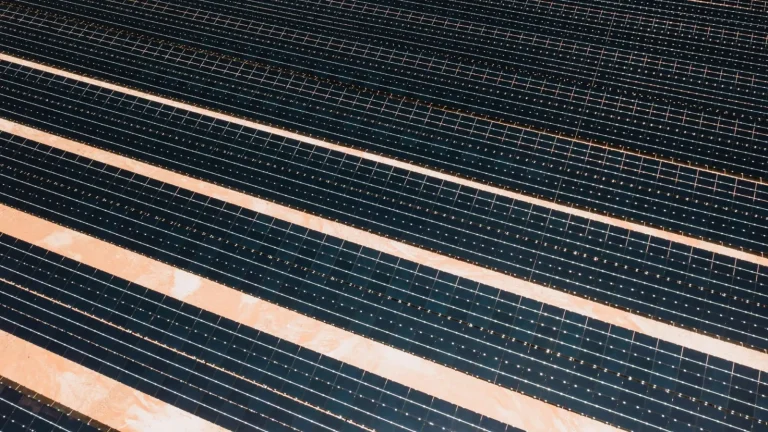
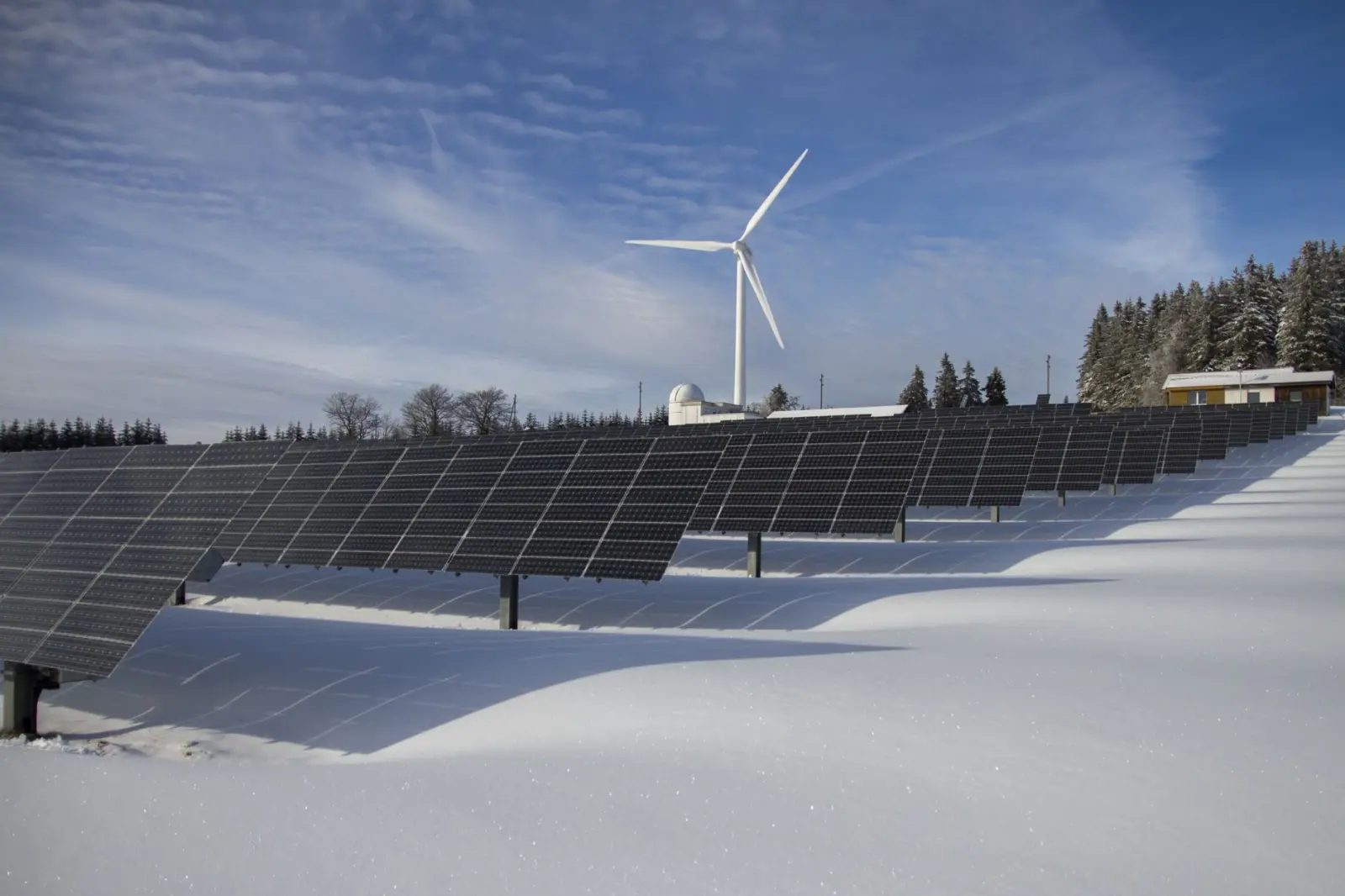
Australia’s renewable energy resources are exceptional. Solar irradiance in inland regions exceeds that of most populated areas globally, and wind resources along southern coasts are substantial. What’s less commonly discussed is that these resources have export value beyond simply powering domestic industry. Green hydrogen – hydrogen produced using renewable electricity – is emerging as a potential export commodity for industrial processes that currently rely on fossil fuels. Japan, South Korea, and parts of Europe are actively developing demand for green hydrogen imports. Australia’s combination of cheap renewable energy and existing export infrastructure positions it to become a significant supplier.
The economics of green hydrogen remain uncertain at present, and production costs need to fall further for export to be commercially viable at scale. But this is precisely the kind of emerging market where early movers can establish competitive advantage. The capital requirements are substantial, and the technology is still maturing, but the trajectory is clear. Companies and governments that build capacity now will have experience and cost advantages when demand accelerates.
Manufacturing and Supply Chain Resilience
Decarbonisation is also driving a broader rethink of global supply chains. The pandemic exposed vulnerabilities in relying on single sources for critical materials, and decarbonisation is adding another layer of complexity. Governments are increasingly willing to pay premiums for supply chain diversification and security. This creates an opening for Australian manufacturing, particularly in sectors where reliability and proximity to Indo-Pacific markets matter.
Solar panel manufacturing, battery assembly, and electric vehicle component production are all industries where Australia could develop competitive advantages. The labour costs are higher than in Southeast Asia, but proximity to growing markets in the region, political stability, and quality standards can offset that. Several companies have already begun exploring these opportunities, though policy support remains inconsistent.
What I’ve seen in other countries is that manufacturing clusters tend to develop around anchor industries and then expand. If Australia can establish a credible battery manufacturing presence, for instance, it attracts suppliers of precursor materials, component manufacturers, and recycling operations. The economic multiplier effect extends well beyond the primary industry. This requires coordinated investment and patient capital, but the potential returns justify the effort.
Skills and Technical Workforce Development
The transition to decarbonisation-focused industries requires a workforce with different skills than traditional resource extraction. Engineering, advanced manufacturing, materials science, and systems integration are all areas where Australia has existing strengths but will need to expand capacity. This is partly an education issue, but it’s also about making these careers attractive relative to other opportunities.
Countries that have successfully transitioned from resource extraction to higher-value manufacturing have typically invested heavily in technical training and created clear career pathways. Denmark’s transition from oil and gas to wind energy manufacturing is instructive here. The workforce didn’t disappear – it was retrained and redeployed into new industries. Australia has the institutional capacity to do something similar, but it requires deliberate policy and investment.
The geographic distribution of this opportunity matters too. Many of Australia’s mining regions could potentially develop processing and manufacturing capacity, keeping economic activity and employment in communities that currently depend on extraction. This isn’t guaranteed – some regions will struggle with the transition regardless – but it’s a possibility that shouldn’t be overlooked in discussions about regional economic development.
Australia’s position in the global decarbonisation transition is genuinely advantageous, but advantage doesn’t convert to economic benefit automatically. It requires strategic investment in processing infrastructure, manufacturing capacity, and workforce development. The minerals will be valuable regardless, but the difference between capturing 20 percent of the value chain versus 50 percent is measured in billions of dollars and tens of thousands of jobs. That distinction is worth thinking carefully about.