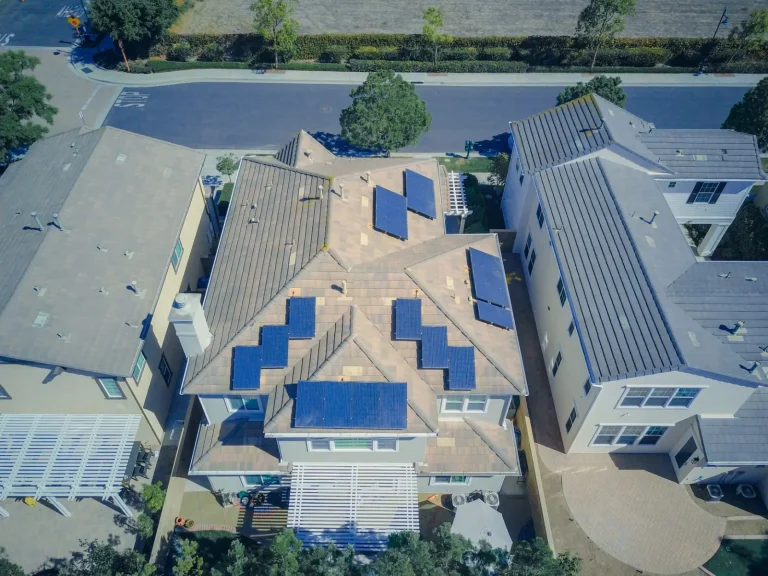

After years of working with households transitioning away from gas, I’ve watched the electricity network respond in ways that weren’t obvious at first. The shift toward household electrification – replacing gas heating, cooking, and hot water with electric alternatives – isn’t simply a swap of fuel sources. It’s a structural change to how power flows through Australia’s grid, how demand patterns behave, and where infrastructure bottlenecks emerge.
When you install a heat pump for heating or an induction cooktop in a suburban home, you’re not just making a local choice. You’re contributing to a nationwide pattern that’s forcing the grid to operate differently. The cumulative effect of thousands of homes making this transition creates peaks and valleys in electricity demand that the system has to manage in real time.
The traditional gas network was designed around steady, predictable consumption. A household using gas for heating, cooking, and hot water drew power from a separate infrastructure entirely. The electricity grid only had to handle lighting, appliances, and air conditioning. Now, as electrification accelerates, all of that thermal load is shifting onto the electrical system. This isn’t a gradual addition – it’s a fundamental restructuring of what the grid needs to supply.
The Demand Profile Problem
The most immediate challenge I’ve observed is how electrification changes when electricity is needed. Gas heating could run continuously through winter without creating the sharp spikes that electric heating does. A heat pump drawing 3 to 5 kilowatts during a cold evening, multiplied across thousands of homes in a region, creates a demand surge that the grid has to anticipate and meet instantly.
Winter mornings present a particular strain. Households wake up, turn on heating, cook breakfast on induction cooktops, and run hot water systems all within a narrow window. In areas where electrification has progressed further, grid operators report steeper ramps in demand than they historically managed. This isn’t a failure of the system yet, but it’s a visible stress point that becomes more pronounced as electrification spreads.
The grid’s ability to respond depends on having enough generation capacity available during these peaks. Solar generation, which Australia relies on increasingly, is lowest during winter mornings and evenings – precisely when heating demand peaks. This creates a timing mismatch that battery storage and demand management are meant to address, but the infrastructure to handle this at scale is still being built.
Distribution Networks Under Pressure
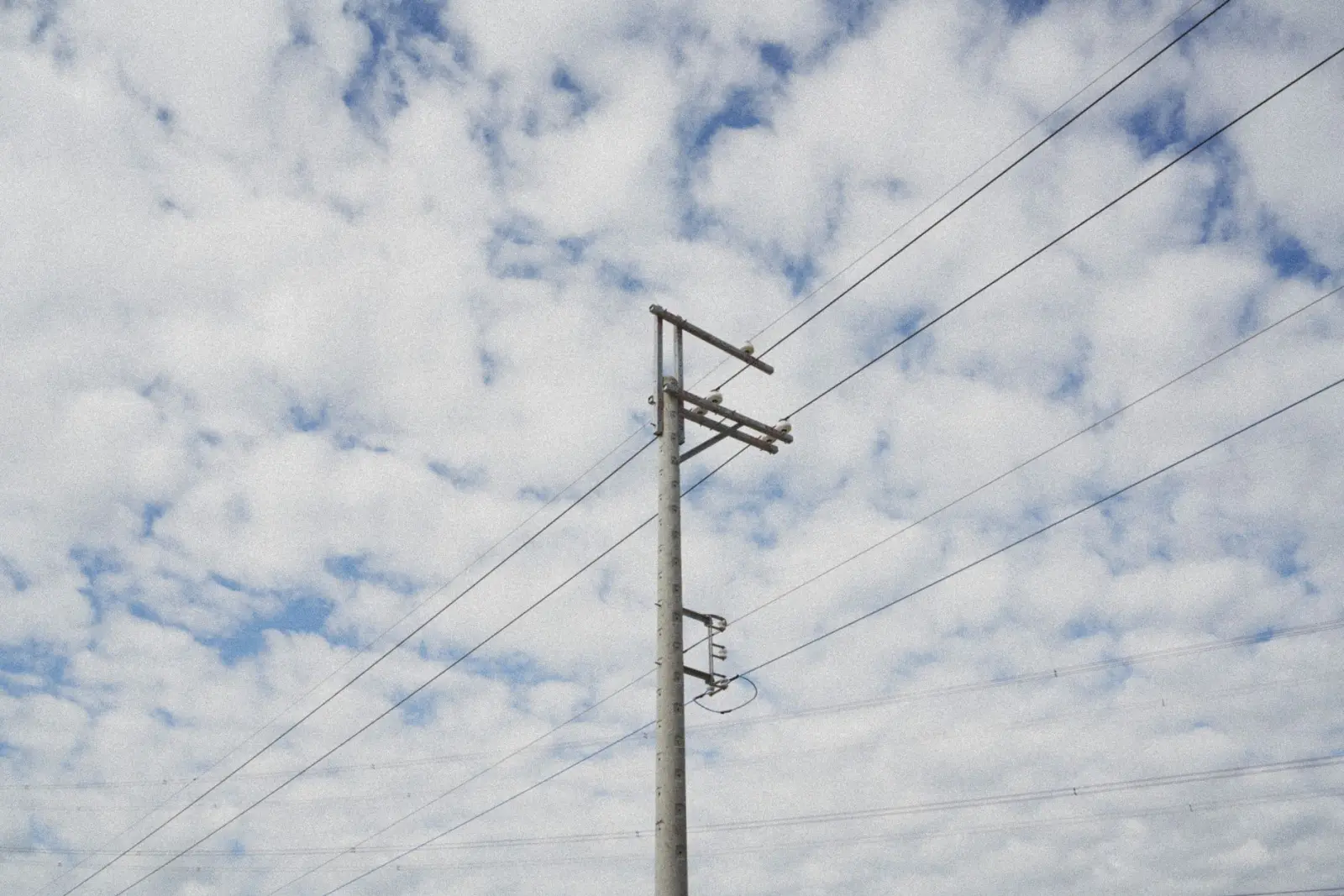
Beyond the generation side, the local distribution networks – the poles and wires that carry electricity to individual homes – are experiencing different kinds of stress. A suburban street that was designed to handle 50 amperes of peak demand per household now regularly sees homes drawing 60, 70, or even 80 amperes when heating and cooking loads run simultaneously.
I’ve seen distribution transformers that were sized for the old load profile now operating closer to their limits. In some areas, upgrades have already been necessary. These aren’t cheap interventions. A new transformer installation, new poles, and updated cabling can cost tens of thousands of dollars for a single street. Multiply that across suburbs and cities, and the infrastructure investment required becomes substantial.
What complicates this further is the uneven pace of electrification. Some streets transition quickly; others remain mostly gas-heated for years. This creates pockets of high demand alongside lower-demand areas, making it difficult for network operators to plan investments efficiently. They can’t simply upgrade everything at once, so they’re forced into a reactive mode, upgrading specific areas as demand reaches critical thresholds.
Generation and Storage Implications
Australia’s renewable energy capacity has grown significantly, but electrification is changing what that capacity needs to deliver. Wind and solar generate power based on weather and daylight, not based on when households need heating or hot water. The mismatch between supply and demand is manageable at lower electrification rates, but as more homes shift to electric heating, the grid needs either more storage capacity or more dispatchable generation.
Battery storage systems are expanding, but they’re not yet at the scale required to buffer the entire system. A single household battery might store 10 to 15 kilowatt-hours. During a cold winter evening with multiple homes heating simultaneously, the grid needs to manage hundreds of megawatt-hours of demand. Community-scale or grid-scale storage helps, but building this infrastructure takes time and capital.
The role of gas-fired generation is changing too. These plants are increasingly used as backup capacity for periods when renewable generation is low and demand is high. They’re running fewer hours per year but at higher utilization during critical periods. This changes the economics of keeping these plants operational, which in turn affects pricing and investment decisions across the energy sector.
The Efficiency Paradox
One observation that often surprises people is that electrification creates both efficiency gains and new inefficiencies. A heat pump is far more efficient than a gas heater at converting energy into warmth. But if that electricity comes from coal or gas generation, the overall system efficiency can be lower than direct gas heating, depending on the generation mix at that moment.
As Australia’s grid becomes cleaner – more wind and solar, less coal – the efficiency advantage of electrification grows. But during the transition period, there’s a window where electrification increases electricity demand faster than clean generation capacity can expand. This creates a temporary period where the grid is running harder and potentially dirtier to meet the same thermal needs that gas previously supplied.
This isn’t an argument against electrification. It’s simply an observation that the timing and pace of the transition matter. Rapid electrification without corresponding renewable generation and storage capacity creates stress. Slower electrification allows the generation and distribution infrastructure to evolve in parallel, but extends the period during which households are locked into gas infrastructure.
Behavioral Shifts and Smart Management
What’s becoming clear from working with electrified homes is that the grid needs households to shift their consumption patterns, not just switch fuels. A heat pump that runs at night when demand is lower and renewable generation can be stored is fundamentally different from one running during peak evening hours. Smart controls, time-of-use pricing, and demand response programs are becoming essential tools for managing the electrified grid.
Households with batteries or smart water heaters can be incentivized to shift when they consume energy. A hot water system that heats during midday when solar is abundant, then stores that heat for evening use, reduces peak demand on the grid. Multiply this across thousands of homes, and the effect on grid stability becomes measurable.
The challenge is that this requires coordination between households, retailers, and network operators. It also requires technology that can respond automatically without requiring constant consumer attention. The systems are being deployed, but widespread adoption is still years away in most areas.
Electrification isn’t a simple replacement of one fuel with another. It’s a restructuring of how Australia’s energy system operates, from generation through to consumption. The grid is adapting, but the pace of adaptation matters enormously. Too fast, and infrastructure breaks under unexpected stress. Too slow, and the benefits of electrification are delayed. The most realistic path forward involves coordinated investment in generation, storage, and distribution, alongside behavioral changes in how households use energy. That coordination is still being worked out in practice.