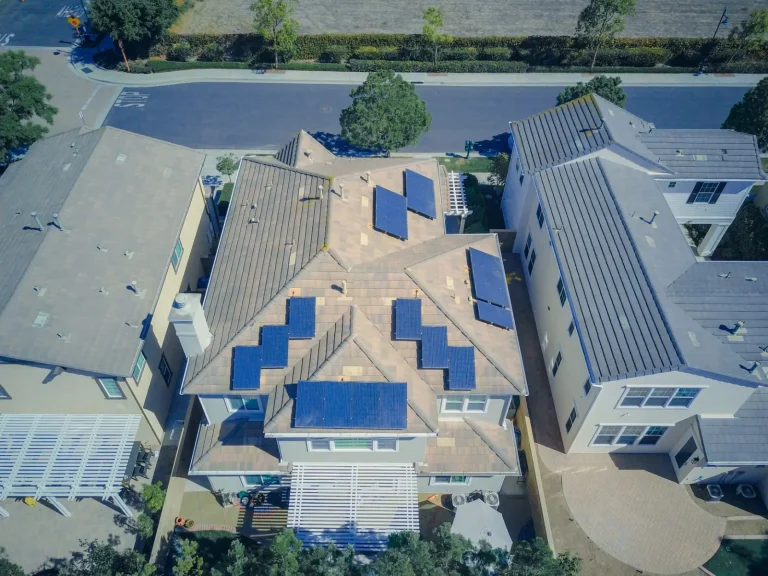

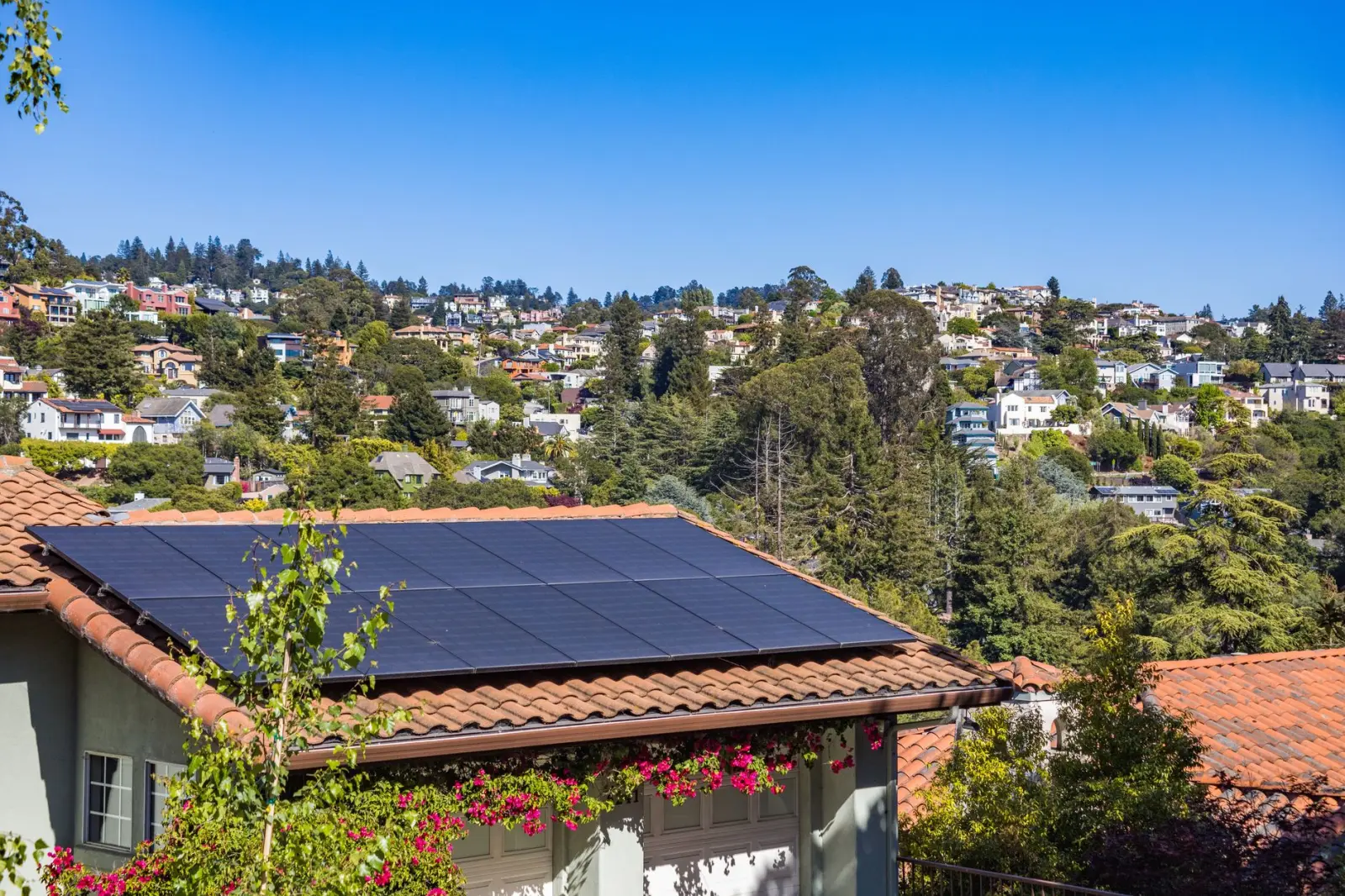
Over the past decade, I’ve watched Australia’s energy landscape transform in ways that weren’t always predictable from the policy documents. Solar adoption here isn’t just a trend – it’s become the dominant force reshaping how electricity flows through the grid, and the practical realities of that shift are far more complex than the headline numbers suggest.
What strikes me most is how quickly the installed base has grown. Australia now has one of the highest rates of residential solar penetration globally, with millions of rooftop systems feeding power back into the network. But here’s what most people don’t fully grasp: the grid wasn’t designed for this. The infrastructure that moves electricity from power stations to homes was built on the assumption that power would flow one direction, from large centralised generators to consumers. Now it flows both ways, and that creates real technical problems that utilities are still scrambling to manage.
The solar boom has been driven by a combination of falling panel costs, generous feed-in tariffs in some states, and genuine environmental concern. But the economics have shifted considerably. Early adopters locked in feed-in rates of 40 – 60 cents per kilowatt-hour in some regions. Those days are gone. Most new systems now export excess power at rates between 5 and 15 cents per kilowatt-hour, depending on the state and retailer. That changes the payback calculation significantly, and it’s pushing people toward battery storage rather than relying on export income alone.
The Grid Stability Problem Nobody Wants to Admit
Here’s where things get genuinely difficult. When you have millions of solar systems all generating power during the middle of the day, the grid has to absorb that sudden influx of supply. Traditional power plants can ramp up or down gradually. Solar can’t – it’s either generating or it isn’t, and cloud cover can change that in seconds. On a clear day in spring or autumn, solar generation can spike to 50% or more of total grid demand in some regions. That’s a level of variability the system wasn’t built to handle.
The consequence is something called “duck curve” problems. In the late afternoon, as the sun sets and solar output collapses, demand is still high. The grid has to fire up gas generators or pull from batteries to make up the difference. This creates rapid, steep ramps in power demand that are expensive to manage and hard on equipment. I’ve seen network operators implement curtailment – literally telling solar systems to stop exporting power – during periods of oversupply. It’s not common yet, but it’s becoming more frequent, and it’s going to get worse before the grid infrastructure catches up.
Battery storage is the obvious answer, and it’s being deployed rapidly. But batteries are expensive, and they solve the problem at the household level, not the grid level. What we really need is either massive grid-scale storage, smarter demand management, or a fundamental rethink of how the grid operates. Australia is working on all three, but the pace of solar adoption is outrunning the infrastructure response.
What Homeowners Are Actually Experiencing
At the household level, the story is more mixed than the marketing suggests. A well-designed 5 – 6 kW system in a good location will generate enough power to cover most of a family’s daytime consumption and export excess to the grid. That sounds straightforward, but the real-world experience depends heavily on consumption patterns.
Homes where people are out during the day – at work, school – tend to export a lot of power and see lower financial returns. Homes where someone is home, running air conditioning or using appliances during peak sun hours, benefit much more. This is why battery storage has become so attractive. A 10 kWh battery costs $10,000 – $15,000 installed, but it allows you to use your own generated power in the evening when rates are higher and your consumption peaks. The payback period is longer, but the system becomes genuinely useful rather than just exporting cheap power to the grid.
Maintenance and performance issues are worth noting. Most systems are performing close to their rated output, but I’ve seen plenty of installations where shading, poor orientation, or suboptimal inverter sizing has reduced output by 15 – 25%. These aren’t catastrophic failures – they’re just suboptimal designs that the installers didn’t correct because the customer didn’t push back. Panel degradation is real but slow; you’re looking at roughly 0.5% per year, which is acceptable but worth factoring into long-term projections.
The Broader Energy Market Shift
What’s genuinely interesting is how solar has changed the wholesale electricity market. Midday prices have collapsed in many regions because of oversupply. This is great for consumers, but it’s devastating for coal and gas generators that rely on those peak prices to stay profitable. Several large power stations have closed earlier than planned because they simply can’t compete. That’s accelerating the transition away from fossil fuels, which is the goal, but it’s also creating uncertainty for grid planners who need reliable baseload power.
Wind generation is filling some of that gap, and the combination of solar and wind is starting to dominate the generation mix in several states. South Australia is the most advanced example – solar and wind together now provide more than half of the state’s electricity. But that also means the grid is more vulnerable to weather patterns. A week of cloud and calm winds can create genuine supply stress, which is why battery storage and demand management are moving from optional extras to essential infrastructure.
The regulatory environment is evolving too, though often slowly. Network operators are starting to implement more sophisticated pricing and control systems to manage distributed generation. Some utilities are offering “time-of-use” rates that encourage solar owners to use more power during the day and less in the evening. Others are installing smart inverters that can be remotely controlled to reduce export during periods of oversupply. These aren’t punitive measures – they’re practical responses to a grid that’s fundamentally different from what it was ten years ago.
The reality is that Australia’s energy landscape is changing faster than the regulatory and infrastructure frameworks can adapt. Solar has won the economic argument – it’s now cheaper than coal-fired generation in most scenarios. But integrating massive amounts of distributed, variable renewable energy into a grid designed for centralised, dispatchable power plants is genuinely hard. We’re learning to do it through a combination of battery storage, smarter controls, and grid modernisation. It’s not a crisis, but it’s not seamless either. The next five years will determine whether Australia can manage this transition smoothly or whether we’ll see more frequent periods of grid stress and higher costs for managing variability.