
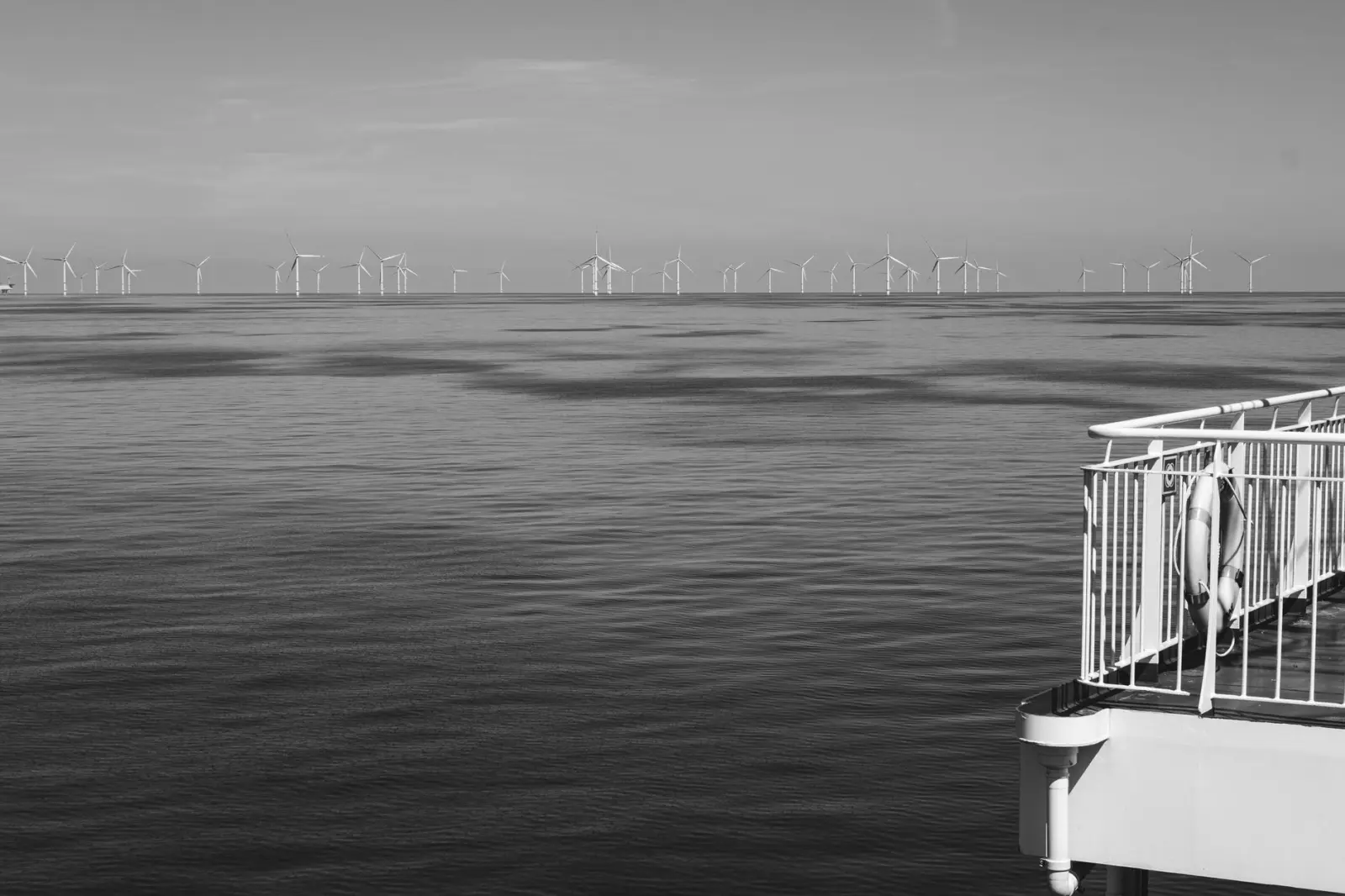
Australia sits in an enviable position when it comes to offshore wind resources. The continental shelf experiences consistent, strong winds, particularly along the southern and eastern coasts. I’ve watched the conversations around this potential shift significantly over the past decade – from theoretical interest to actual project development. Yet the gap between resource availability and actual turbines in the water remains substantial, and for reasons that go well beyond simple economics.
The first thing anyone working in this space learns is that having good wind doesn’t automatically translate to buildable projects. Australia’s offshore environment presents a particular set of constraints that differ meaningfully from European or Asian precedents. The seabed geology varies dramatically along the coast. Some areas have soft sediment that’s relatively forgiving for foundation work; others sit over rock formations that demand different installation approaches entirely. Water depth adds another layer of complexity. The areas with the best wind resources aren’t always the areas with the most straightforward seabed conditions.
Regulatory Framework and Timeline Realities
The regulatory pathway for offshore wind in Australia remains incomplete in ways that matter operationally. The Offshore Wind Energy Act received royal assent in 2024, but implementation has been gradual. I’ve observed similar situations in other jurisdictions – legislation passes, but the detailed technical standards, environmental assessment protocols, and approval timelines take years to solidify. Australia is working through this now.
What complicates matters is that offshore wind sits at the intersection of multiple regulatory bodies. State governments control coastal waters to three nautical miles; the Commonwealth manages beyond that. Fisheries departments, environmental regulators, maritime authorities, and Indigenous consultation requirements all intersect in ways that create genuine coordination challenges. This isn’t bureaucratic obstruction for its own sake – these oversight mechanisms exist because offshore development genuinely does affect fishing grounds, marine ecosystems, and cultural heritage sites. But the practical effect is that project timelines stretch considerably. A developer can’t simply secure a lease and begin construction. The approval process typically spans years, and that’s before any construction begins.
Technical Challenges Specific to Australian Waters
The marine environment itself presents engineering realities that domestic developers are still working through. Tropical cyclones affect northern waters. Southern regions experience severe storm conditions that demand robust foundation and mooring systems. Corrosion in saltwater environments requires careful material selection and maintenance protocols – something that becomes apparent only after years of operation. The supply chain for specialized offshore equipment remains limited in Australia, meaning many components must be imported, adding cost and lead time.
Foundation design is perhaps the most visible technical hurdle. European offshore wind farms, particularly in the North Sea, operate in relatively consistent conditions with established design standards. Australian waters demand more variability in approach. Monopile foundations work in some locations; floating systems make more sense in others. The deeper water offshore from Sydney or Melbourne increasingly points toward floating turbine technology, which remains less proven at scale than fixed-bottom systems. This isn’t a showstopper, but it does mean higher capital costs and greater engineering uncertainty during the development phase.
Installation methodology matters enormously. Specialized vessels capable of installing large offshore turbines are scarce globally and expensive to charter. Australia lacks domestic installation capacity, so developers must either contract international vessels or invest in building that capability locally. Both options carry significant cost implications. Weather windows for installation work are narrower in Australian waters than in some other regions, which extends project timelines and increases costs further.
Environmental and Stakeholder Considerations
Marine environmental assessment for offshore wind projects is thorough and necessarily so. Seabird and marine mammal interactions, electromagnetic effects on fish, noise impacts during construction – these are genuine concerns, not regulatory theater. I’ve seen projects delayed or redesigned because environmental assessment revealed unexpected sensitivities. The Australian marine environment includes protected species and critical habitats that demand careful evaluation. This extends timelines but also tends to produce better-designed projects that coexist more successfully with existing ocean uses.
Fishing communities deserve particular mention. Commercial fisheries operate in many of the same waters where offshore wind development is planned. The interaction between fishing operations and wind farms isn’t insurmountable, but it requires genuine negotiation and often involves compensation or spatial arrangements that reduce the available development area. In some regions, fishing interests have been influential in shaping project boundaries or timelines. This is a real constraint, not a minor administrative detail.
Current Projects and Realistic Timelines
Several projects are in advanced development stages. The Star of the South project offshore from Gippsland in Victoria has progressed through environmental assessment. The Macquarie Generation offshore wind project near Newcastle has also moved forward. These aren’t hypothetical anymore – they represent actual capital deployment and genuine project momentum. However, even these advanced projects face timelines measured in years before first power generation. A project that receives final approval today realistically won’t be generating electricity before 2028 or 2029 at the earliest, and often later.
The scale of these projects matters for understanding their contribution to Australia’s energy mix. Most planned offshore wind farms are in the 1,000 to 2,500 megawatt range. That’s substantial, but it’s also not transformative on its own. Australia’s total electricity demand runs around 200 gigawatts at peak. Offshore wind will be part of the renewable energy portfolio, but it won’t be the entire solution.
Cost trajectories for offshore wind globally have improved, but Australian projects carry higher costs than comparable European installations. Labor costs are higher, supply chains are longer, and the regulatory process is more uncertain. Developers price this uncertainty into their project economics. This affects the competitive position of offshore wind relative to onshore wind or solar, both of which have more mature supply chains and regulatory pathways in Australia.
The technical and commercial viability of offshore wind in Australian waters is real. The resources exist, the technology is proven elsewhere, and domestic interest is genuine. What remains uncertain is the pace at which projects will actually be built and the ultimate cost of delivered energy. The regulatory framework is still settling. Supply chains are still developing. Environmental and stakeholder engagement processes continue to shape project boundaries. These aren’t obstacles that prevent offshore wind development – they’re the normal friction of large-scale industrial development in a complex regulatory and environmental context. Anyone expecting rapid deployment should recalibrate expectations. Anyone expecting it never to happen should recognize that projects are actively progressing.